Discover practical household uses, garden decorations, craft projects and environmentally responsible ways to make the most of glass bottles.
Glass bottles come in many shapes, sizes and colours. Pint bottles and half-pint bottles can be found in homes, kitchens, pubs, restaurants and recycling collections. Before sending an empty bottle for recycling, it may be worth considering whether it has a useful second life.
From miniature flower vases to craft projects, storage ideas and decorative lighting, these everyday containers can inspire a range of creative activities.
1. Flower vases and table decorations
One of the simplest ways to reuse a bottle is to turn it into a small flower vase.
- Pint bottles: Display a few garden flowers, decorative branches or seasonal arrangements.
- Half-pint bottles: Hold single stems, small wildflower bunches or miniature floral arrangements.
- Coloured bottles: Brown, green and blue glass can add colour to a windowsill, dining table or garden display.
For a royal blue-and-gold theme, decorate the outside with gold ribbon, blue fabric or a removable decorative label. These can make attractive table decorations for parties, weddings and special occasions.
“A simple glass bottle can become a charming decorative feature with a little imagination.”
2. Herb growing and garden projects
Clean bottles can inspire small gardening projects, especially where space is limited.
Possible uses include:
- Displaying freshly cut herbs in water for short periods.
- Holding cuttings while roots develop, where the plant is suitable for water propagation.
- Creating a collection of small vases for herbs and flowers.
- Displaying dried grasses and ornamental stems.
- Organising plant labels and lightweight gardening accessories nearby.
Important: Glass bottles are not automatically suitable planters. Their narrow openings can make planting and drainage difficult. For plants that need soil, use a purpose-made planter or a suitable container with drainage.
Keep glass bottles stable, out of walkways and away from places where they could fall or break.
3. Homemade decorations and craft projects
Empty pint and half-pint bottles can be used for a variety of craft projects.
Ideas for adults and supervised family activities
- Painted bottle decorations: Use suitable glass paint to create seasonal patterns.
- Decorative centrepieces: Combine clean bottles with ribbons, artificial flowers and paper tags.
- Wedding table displays: Give each bottle a number or table name.
- Christmas decorations: Add battery-operated lights designed for decorative use.
- Miniature message bottles: Place a rolled-up note inside a clean, dry bottle for a novelty gift.
Avoid cutting or drilling glass at home unless you have the proper equipment, training and protective measures. Sharp edges can cause serious injuries.
4. Storage for small household items
Some bottles may be useful for storing non-food items, provided the openings are suitable.
Examples include:
- Decorative beads and craft materials.
- Small quantities of dry decorative items.
- Paper labels, where they fit.
- Coloured sand or similar display materials.
- Small craft components that need to be kept together.
Keep bottles clearly labelled and out of reach of young children. Never use a drinks bottle to store chemicals, cleaning products or anything that could be mistaken for a beverage.
5. Bottle lighting and lantern decorations
Glass bottles can form part of attractive lighting displays.
For example, a clean bottle can hold a purpose-made, battery-operated LED light string, creating a decorative glow for a shelf or covered outdoor display.
Choose lights intended for the proposed use, follow the manufacturer’s instructions and keep batteries and electrical components dry.
Safety tip: Do not put a burning candle inside an ordinary drinks bottle. Heat can cause damage, and an unsuitable bottle may crack or break. Never leave decorative lighting unattended.
6. Creative uses for pubs, cafés and events
Pubs, cafés and event organisers may find small bottles useful for non-food decorative purposes.
Possible applications include:
- Table decorations.
- Flower displays at private events.
- Displaying themed colours for celebrations.
- Craft workshops.
- Reusable-looking decorative props for photographs.
- Display arrangements for heritage, food and drink themed exhibitions.
Businesses should distinguish decorative reuse from commercial refilling. A bottle that looks clean is not necessarily suitable for filling with drinks again.
British Glass explains that many glass containers are designed for single use and are not built to withstand the additional stresses of repeated commercial reuse. Containers intended for refill systems should be specifically designed and tested for that purpose.
Source: British Glass — Statement on the Unsuitability of Single-Use Containers for Reuse.
7. Can pint and half-pint bottles be used for drinks?
This depends on the bottle’s original purpose, condition and design.
A bottle originally intended for a particular beverage should not automatically be treated as a safe, refillable drinks container. Chips, cracks, damaged necks, unsuitable closures and contamination can all create problems.
For drinking water, homemade drinks or other food and drink storage, use containers intended for that purpose and follow appropriate cleaning and food-safety guidance. For commercial filling, use packaging designed and validated for the intended product and filling process.
Never use an ordinary glass bottle for hot liquids unless its manufacturer specifically confirms that it is suitable for the temperature involved.
8. Reuse or recycle: which is best?
Reuse can be helpful when an item has a practical purpose and can be used safely. However, reuse is not appropriate for every bottle.
The environmental benefits depend on the bottle’s design, how it is used, how far it is transported and whether cleaning or other processing is required.
The Waste and Resources Action Programme and local waste authorities provide guidance on reducing waste and recycling glass. In England, government guidance also explains the household recycling arrangements introduced from 31 March 2026.
Useful resources:
- West London Waste — Glass: reuse and recycling ideas
- GOV.UK — Simpler Recycling: household recycling in England
- Waste and Resources Action Programme (WRAP)
Check your local council’s instructions before placing bottles in a recycling collection. Ordinary glass bottles and jars are generally recyclable, but drinking glasses, mirrors and heat-resistant cookware may require different disposal arrangements.
9. A simple project to try at home
Create a miniature bottle garden display
You will need:
- One clean, intact pint bottle.
- One clean, intact half-pint bottle.
- A few fresh flowers or suitable decorative stems.
- Water, if using fresh flowers.
- Optional blue-and-gold ribbon or removable tags.
Instructions:
- Inspect both bottles carefully and reject any with chips or cracks.
- Wash and rinse them thoroughly.
- Fill each with an appropriate amount of water if using fresh flowers.
- Arrange a small flower display in each bottle.
- Add ribbon or a decorative tag without obstructing the bottle opening.
- Place the bottles on a stable surface away from edges and busy walkways.
The result is a simple, inexpensive display for a windowsill, desk, dining table or garden room.
Conclusion: Small Bottles, Big Possibilities
Pint and half-pint bottles can offer plenty of creative possibilities. They can become flower vases, decorative centrepieces, craft materials and display pieces, helping people make thoughtful use of everyday objects.
The key is to choose a suitable purpose, inspect the glass carefully and avoid uses for which the original container was not designed.
“The best reuse project is one that is useful, safe and makes thoughtful use of the materials already available.”
For more lifestyle, home, garden and sustainability ideas, continue exploring WindsorCastle.info.
Article prepared for WindsorCastle.info.
Recommended source links
These are relevant reference sources for the article. They provide background and guidance; they are not endorsements of every craft idea described above.
Practical suggestions for reusing bottles and jars, including home decorations and garden uses.
Important safety information about single-use bottles versus containers designed for repeated commercial use.
Official information about household recycling requirements in England.
Editorial note: The article is a draft ready for review and copying into WordPress. It has not been published to WindsorCastle.info. The external links are supplied as reference resources; their continued availability should be checked before publication.
- AI & Technology (5)
- Fantasy & Adventure (2)
- Finance & Investing (5)
- Football (10)
- Future Technology (5)
- Local Events (5)
- Premier League 26/27 (7)
- Robin Hood (2)
- Science Fiction & Space (5)
- Technology & AI (8)
- Tourism (12)
- Windsor Games (10)
- WindsorCastle.info (170)
- Blog (117)
- close (88)
- statoshi$5 (86)
- Won (33)
- statoshi$5 (86)
- Horse Racing (2)
- close (88)
- open (86)
- ssl (84)
- Royal History (6)
- Blog (117)
2026 Technology (3) Agentic AI (1) AI (5) Artificial Intelligence (3) Blog (101) British Royal Family (2) Castle (109) Changing of the Guard (2) Data Centres (1) dea (82) drink (94) England (5) food (92) football (7) Future (2) Future Technology (3) Investing (1) medication (92) Orbital Data Centres (1) Prediction (3) Premier League 26/27 (5) royal landmarks UK (2) Satellites (1) Science Fiction (2) soccer (5) Space Computing (1) Space Technology (1) SPCX (1) Starmind (1) Starship (1) Technology (2) Thca (2) visiting windsor castle (3) Windsor (103) Windsor 2026 (2) Windsor castle blog (110) Windsor Castle walk (2) Windsor Drinks (102) Windsor Great Park (2) Windsor hungry (97) Windsor Long Walk (3) Windsor tourism (3) Windsor travel blog (3) World Cup (3) World Cup 2026 (2)
-
What Can Pint and Half-Pint Bottles Be Used For?
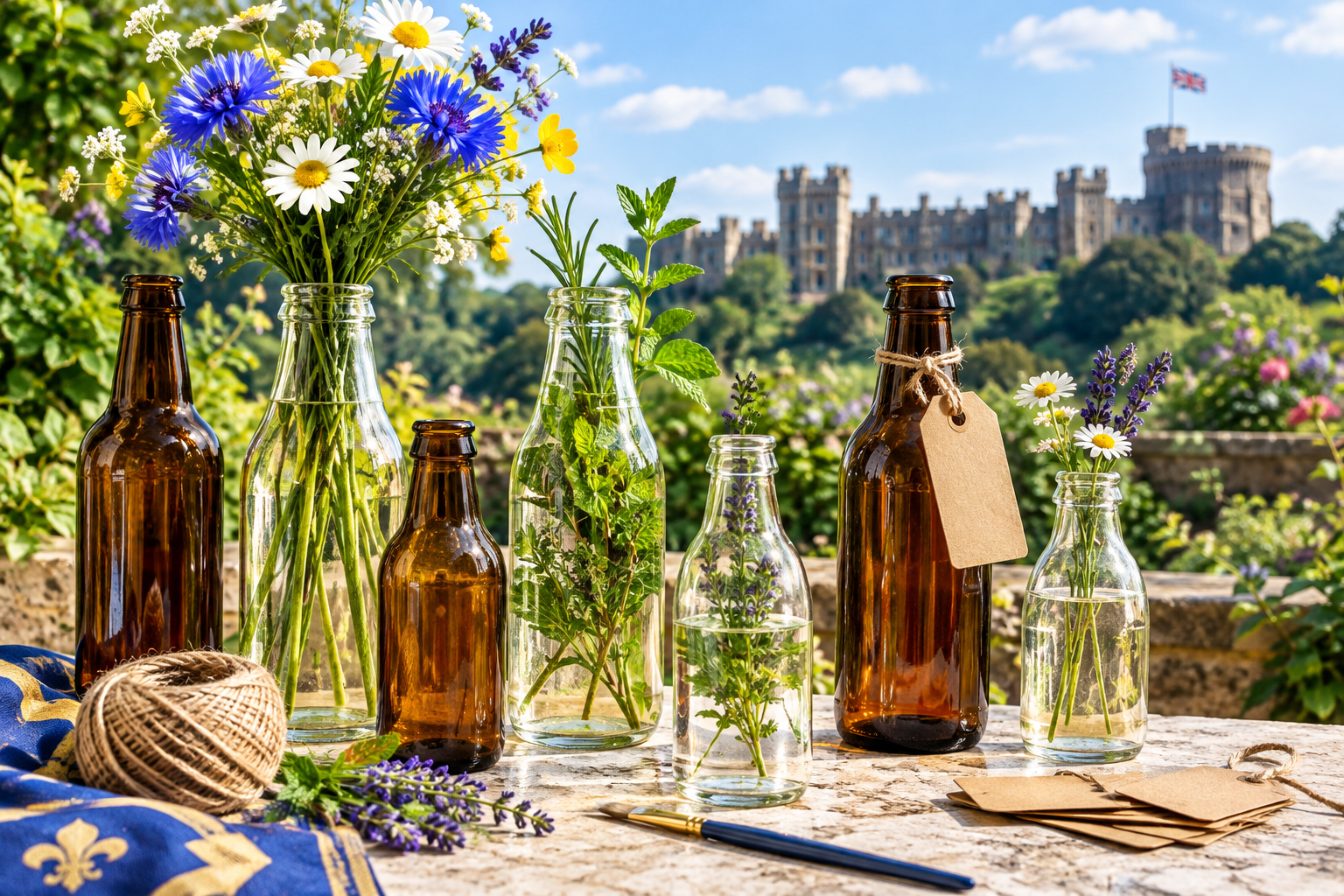
Glass bottles come in many shapes, sizes and colours. Pint bottles and half-pint bottles can be found in homes, kitchens, pubs, restaurants and recycling collections. Before sending an empty bottle for recycling, it may be worth considering whether it has a useful second life.
 0

 20
 20








Leave a Reply
You must be logged in to post a comment.