From William the Conqueror to the modern monarchy — discover the remarkable story of one of Britain’s most enduring royal residences.
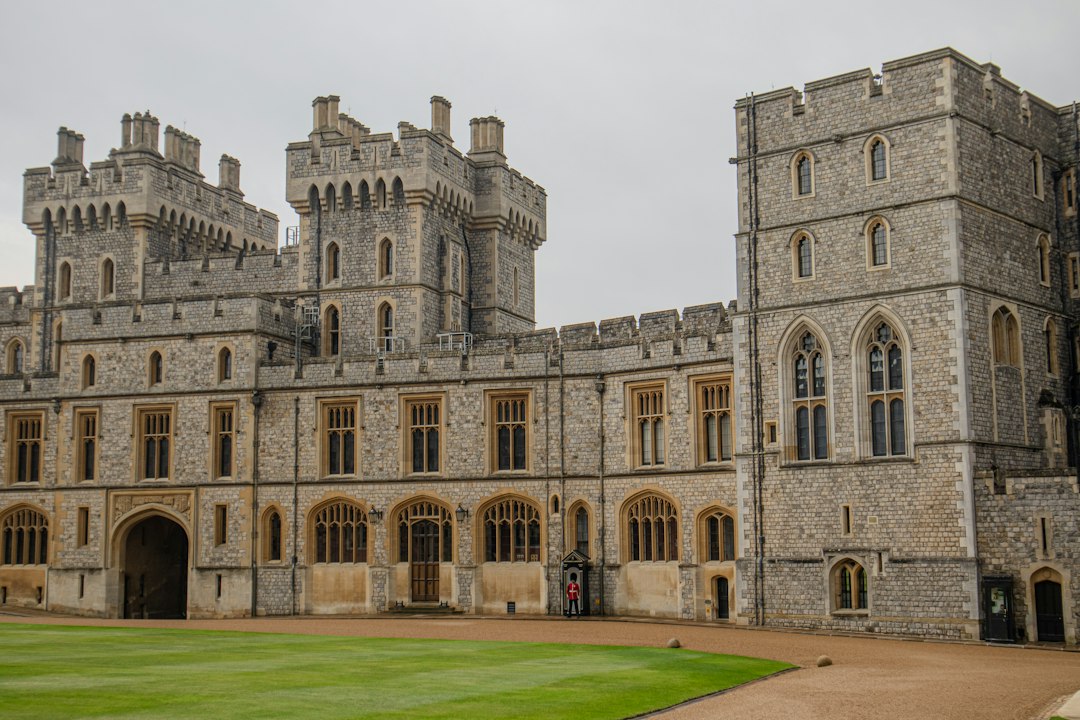
Rising above the River Thames in Berkshire, Windsor Castle is one of Britain’s best-known royal landmarks. Its towers, stone walls, grand apartments and magnificent chapel tell a story of conquest, royal ambition, architecture and national history.
Founded by William the Conqueror around 1070, the castle developed from a defensive stronghold into a royal residence used by monarchs across almost a thousand years. It remains a working royal palace and an important part of Britain’s living heritage.
Nearly a millennium of history stands within these walls — and the story of Windsor Castle is still being written.
1. William the Conqueror and the Norman beginnings
After the Norman Conquest of 1066, William the Conqueror established a network of fortifications to secure his rule. The elevated ground at Windsor offered a commanding position near the River Thames and close to a royal hunting area. Construction began around 1070, with earthworks and timber defences forming the earliest castle.
Its position helped protect approaches to London. Over time, Windsor became a place for royal residence as well as defence. Under Henry I, domestic royal quarters were established, while later monarchs strengthened the fortifications and replaced important timber structures with stone.
2. From fortress to royal palace
Windsor changed significantly over the centuries. Its central mound and keep evolved into the familiar Round Tower, while successive building campaigns created more comfortable royal apartments and ceremonial spaces. The castle’s layout reflects the different priorities of the monarchs who lived and worked there.
During the fourteenth century, Edward III oversaw an ambitious transformation. From 1357, major rebuilding helped turn Windsor into a grand Gothic palace. Edward III also founded the Order of the Garter in 1348, a chivalric order closely associated with Windsor and St George’s Chapel.
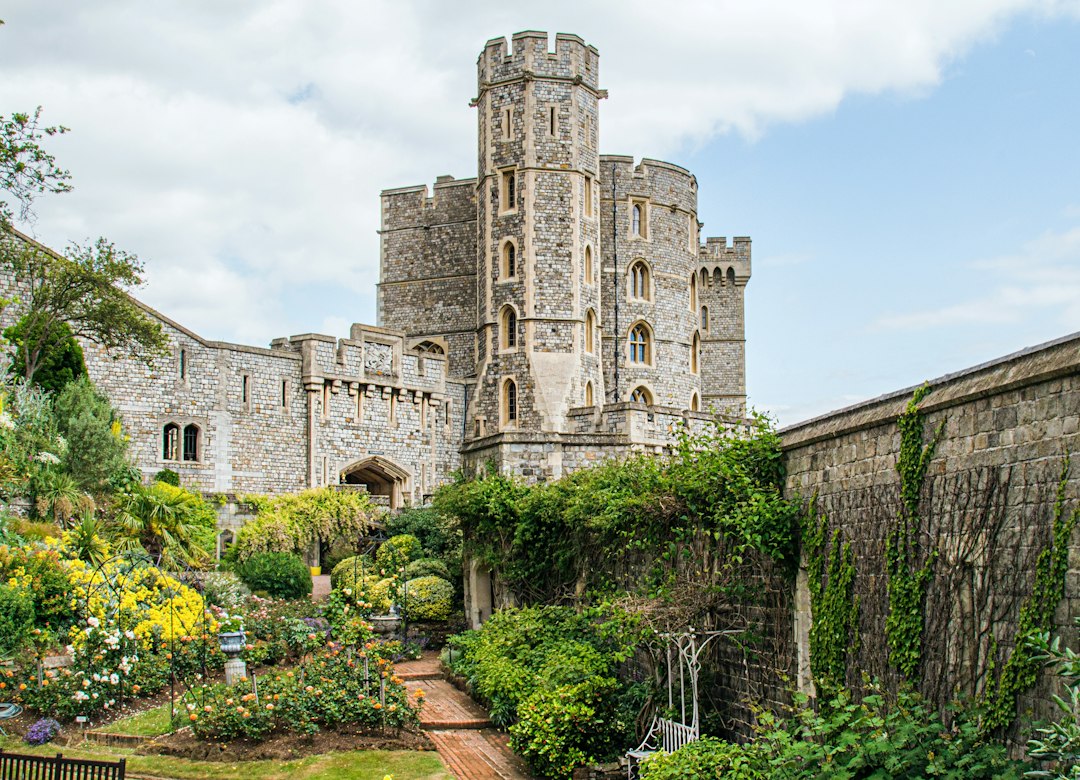
3. Tudor Windsor: Henry VIII and Elizabeth I
The Tudor monarchs inherited a castle already rich in royal associations. Henry VIII made additions, including the gate that bears his name in the Lower Ward. Windsor continued to be used for hunting, court life and the exercise of royal authority.
Elizabeth I also used Windsor. The Tudor era brought profound religious and political change, and the castle’s chapel and religious spaces formed part of the wider story of the Crown’s changing relationship with the Church.
4. Georgian grandeur and Queen Victoria
In the nineteenth century, George IV commissioned extensive alterations with architect Jeffry Wyatville. These works gave Windsor a more imposing exterior and grander interiors, helping shape the appearance familiar to visitors today.
Queen Victoria made Windsor an important setting for royal and family life after she came to the throne in 1837. As rail travel expanded, the castle also became more accessible to visitors, and arrangements for public visits developed over time.
Windsor is not frozen in one period of history: Norman defences, medieval architecture and later royal design exist side by side.
5. St George’s Chapel: faith, ceremony and remembrance
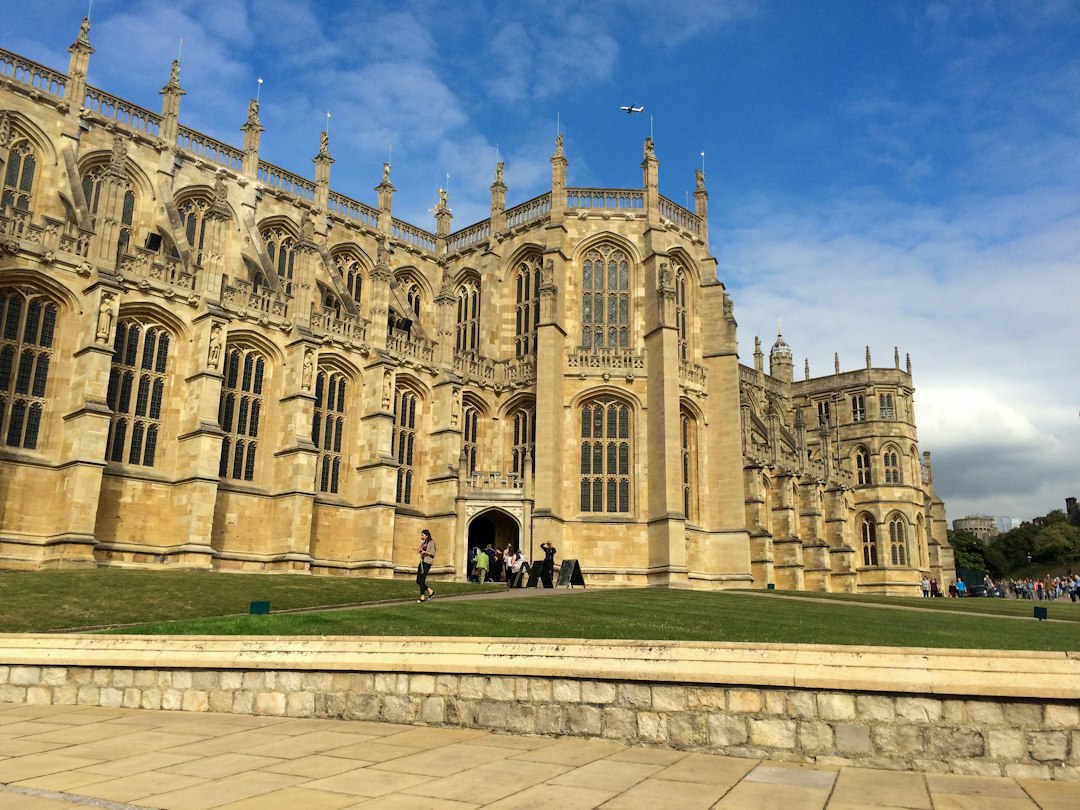
St George’s Chapel is one of the castle’s most important historic buildings. The present chapel took shape during the late medieval period, with major work beginning under Edward IV in 1475. Its Gothic architecture, elaborate stonework and rich interior reflect centuries of religious devotion and royal patronage.
The chapel is associated with the Order of the Garter and has hosted royal weddings and important services. It is also a place of royal burial and remembrance, linking medieval kings and modern generations with the long history of the monarchy.
6. The great fire of 1992
On 20 November 1992, a major fire broke out at Windsor Castle. It began in Queen Victoria’s Private Chapel after a faulty spotlight ignited a curtain. The blaze spread and damaged or destroyed 115 rooms, including nine State Rooms.
The restoration required years of careful conservation and craftsmanship. The work was completed on 20 November 1997, five years after the fire. The project combined traditional skills with considered modern design, demonstrating how a historic building can recover from devastating damage.
7. Windsor Castle today
Windsor Castle remains an active royal residence and a setting for official events, audiences, receptions and state occasions. Its State Apartments, ceremonial spaces, art and architecture offer visitors a window into British history. Access to particular rooms can vary, so check official visitor information before travelling.
Plan your visit with the Royal Collection Trust.
Why Windsor Castle matters
Windsor Castle has endured because successive generations have adapted, maintained and restored it. Its story encompasses conquest, royal authority, architecture, faith, artistry and conservation. Nearly a thousand years after its foundation, it remains a living link between Britain’s medieval past and its modern monarchy — and an essential part of Windsor’s identity.
Explore further
- The Royal Family: Windsor Castle
- Royal Collection Trust: Who built Windsor Castle?
- Royal Collection Trust: The fire at Windsor Castle
- Historic England: Windsor Castle listing
- Test your knowledge: Windsor Castle quiz
Image credits and reuse information
Castle exterior and walls: E Mens and Wyatt Simpson, via Unsplash. St George’s Chapel: Malgorzata Bujalska, via Unsplash. Images were added to the WindsorCastle.info media library. Photographer profile links are provided above; check the applicable image terms before reuse.
Author: Simon B. Gemmill — Webmaster, WindsorCastle.info
2026 Technology (3) AI (5) Artificial Intelligence (3) Bayern Munich (2) Blog (102) British Royal Family (2) Castle (111) Champions League (2) Changing of the Guard (2) dea (83) drink (95) England (6) Eton College (2) Eton Walkway (2) food (93) football (8) Future (2) Future Technology (3) Match Preview (2) medication (93) Prediction (3) Premier League (3) Premier League 26/27 (7) river thames (2) royal landmarks UK (2) scenic walks England (2) soccer (5) Technology (2) UK walking routes (2) visiting windsor castle (3) Windsor (106) Windsor 2026 (2) Windsor Castle (2) Windsor castle blog (111) Windsor Castle walk (3) Windsor Drinks (103) Windsor Events (3) Windsor Great Park (4) Windsor hungry (98) Windsor Long Walk (3) Windsor tourism (3) Windsor travel blog (3) Women’s Football (2) Women’s Super League (2) World Cup (3)