Imagine a country house in wartime Britain. Enemy aircraft have passed overhead, the blackout curtains are drawn, and a sentry claims to have seen a ghost near an old watchtower. Then a guard is found dead, a key is discovered beneath a pillow, and one tiny strand of thread becomes the clue Sherlock Holmes cannot ignore.
This is the starting point for a proposed collection: Sherlock Holmes: The Wartime Ghost Mysteries, narrated by Dr John Watson.
A new book idea: Sherlock Holmes and the wartime mysteries
What if Sherlock Holmes and Dr Watson were drawn into investigations during the dark days of the Second World War? Reports of ghostly figures, mysterious aircraft, unexplained signals and strange deaths could provide the ingredients for a thrilling detective collection.
The stories would combine classic detective puzzles with wartime Britain: blackout streets, country estates, military watch posts, air-raid warnings and the uncertainty of life under attack. The supernatural would appear to be at work, but Holmes would insist that every mystery deserves careful examination.
The Ghost Above Windsor – A pale figure is seen after an air raid. Is it a spirit, a signal or someone hiding in the blackout?
The Key Beneath the Pillow – A guard is found dead. A brass key lies beneath his pillow, and a loose thread is discovered on his uniform.
The Phantom Bomber – Witnesses report an aircraft, but the available flight records appear to show no such machine.
The House That Whispered – Voices and footsteps disturb a requisitioned country house.
The Soldier Who Died Twice – Two official accounts appear to record the death of the same serviceman.
The Midnight Signal – An unexplained light flashes from an abandoned railway signal box.
The Woman in the Black Veil – A mysterious woman is reported near several places shortly before each alarm.
The Secret of the Underground Room – A hidden chamber contains documents someone is desperate to recover.
The Last Flight of Squadron Seven – A missing aircraft is reported to have returned, although its crew were believed lost.
The Ghost of the Watchtower – A sentry claims a dead officer has returned to warn the living.
The first adventure: The Key Beneath the Pillow
A fictional episode narrated by Dr John H. Watson.
Chapter One – The Ghost of Blackwood Hall
It was November 1940, and another anxious night had settled over the English countryside. The blackout regulations had left the lanes around Blackwood Hall almost entirely dark. Earlier, the distant drone of aircraft had sent residents towards their shelters.
I was staying with my old friend Sherlock Holmes at Blackwood Hall, a country residence temporarily requisitioned for military use. Holmes sat beside the fire, examining a small piece of cloth through his magnifying glass, when an urgent knock sounded at the door.
A young military officer entered. “Mr Holmes, I am sorry to disturb you. A guard has been found dead in his quarters. There is something else: another sentry swears that he saw a ghost walking through the grounds after the raid.”
Holmes looked up. “A ghost, Captain?”
“A figure dressed in white, sir. It vanished near the old watchtower.”
Holmes put down his glass. “Watson, it appears that we have an investigation.”
“I rather think it may be a very serious one,” I replied, reaching for my medical bag.
Chapter Two – The Bedroom
The guard had been discovered in his room beside the eastern corridor. The scene was being preserved by the military police. A pillow had been moved from the bed, and beneath it lay a small brass key.
Holmes crouched beside the pillow and examined its stitching.
“What do you observe, Watson?” he asked.
“A pillow, a key and a rather untidy bed.”
“Precisely. And what do you fail to observe?”
“I cannot say.”
“A complete line of stitching. Look here.”
He pointed to a small place where a thread had come loose. Then he turned towards the guard’s uniform, which had been placed over a chair. On the shoulder seam was a short strand of thread.
Holmes used tweezers to lift it free.
“How do you deduce that, Sherlock?” I asked.
“We do not yet deduce the whole affair, my dear Watson. We have found a question worth asking.”
Holmes placed the key, pillow and recovered thread on a clean sheet of paper.
“The thread on the uniform appears similar in colour, thickness and construction to the loose thread on the pillow,” he explained. “If closer examination confirms that they match, it would suggest that the uniform came into contact with the pillow, or with another piece of fabric from the same source.”
“Then the guard must have taken the key?” I asked.
“Not so quickly, Watson. The thread does not tell us who placed the key beneath the pillow, nor when the contact occurred. It does not prove murder. It gives us a connection to test.”
“Then what should we investigate next?”
“The key, the lock it fits, the movements of every person who entered this room, and the precise account given by the sentry who claims to have seen our ghost.”
Holmes examined the brass key again. “If this opens the watchtower, someone may have wanted it hidden. The ghost story may be intended to keep curious guards away. But we must establish that with evidence, not imagination.”
I looked at the little strand of thread. “That’s magnificent, Sherlock. Such a tiny thing, and yet it may lead us to the truth.”
Holmes gave a faint smile. “The smallest clue may open the largest door, Watson. But only if we ask it the right questions.”
Chapter Four – The Watchtower
We crossed the grounds beneath a moon partly hidden by cloud. The old watchtower stood beyond a line of trees, its upper window dark. Holmes paused before the entrance and inspected the lock.
“The key fits,” he said quietly, after testing it. “But notice the fresh scratch beside the keyhole. Someone has used this lock recently.”
From somewhere above us came a faint metallic sound.
“Holmes, did you hear that?”
“Indeed, Watson. And unlike a ghost, whoever made it may leave footprints.”
He raised his lantern. At the foot of the stairs lay a narrow strip of white cloth, caught on a splinter in the wood.
Holmes looked at me. “Our apparition may have been less ethereal than advertised.”
At that moment, a shadow moved behind the upper window.
“Come, Watson,” he whispered. “Our investigation is about to become considerably more interesting.”
To be continued: the identity of the figure, the purpose of the hidden key and the truth about the guard’s death remain to be discovered.
How does Holmes deduce the meaning of the clues?
The pillow-and-thread clue invites readers to think alongside the investigator. A clue suggests a possibility; it does not automatically prove a conclusion.
The brass key: It may open a locked room or building. Holmes must test it and establish who had access.
The loose pillow thread: It shows that the pillow’s stitching has been disturbed or damaged.
The thread on the uniform: If its fibres, colour and construction match, it supports the idea that the uniform touched the pillow or matching fabric.
The guard’s movements: Witness accounts and a reliable timeline may show whether the guard handled the pillow or key.
The watchtower: Finding the lock that the key opens gives the investigators another location to examine.
The lesson: The thread is a link, not a confession. Holmes still needs independent evidence before accusing anyone.
The atmosphere: wartime Britain and the mystery of ghosts
Wartime conditions offer a natural setting for suspense. Blackout curtains conceal familiar streets, air-raid sirens interrupt conversations, damaged buildings create strange shadows, and people may mistake distant sounds or reflections for something supernatural. A clever criminal could exploit fear and confusion, while Holmes would look for physical evidence.
A Windsor setting could add a special local flavour: fictional country houses, military posts, railway lines and villages around the town. Real historical references should be checked carefully so invented characters and events are not mistaken for documented history.
Who created Sherlock Holmes and Dr Watson?
Sherlock Holmes and Dr John Watson were created by Scottish author and physician Sir Arthur Conan Doyle. Holmes first appeared in A Study in Scarlet, published in 1887. Watson is Holmes’s friend and the narrator of many adventures, allowing readers to discover the detective’s reasoning step by step.
This proposed wartime story is an original imagined adventure, not a story written by Conan Doyle and not an official or authorised continuation. Copyright and trademark rules can differ between countries and between older works, later works, names and brands. Anyone planning commercial publication should check the relevant rights before release.
Unsplash – source of the illustrative photographs credited individually above.
Image credits: Blackwood Hall – Christian Thöni; evidence image – Cristina Cerda; antique field equipment – Niloufar Mirhadi. Photographer profile links are provided in each caption. Images are illustrative, not historical photographs of the events described.
What would you like to read next?
Would you enjoy a complete collection of Sherlock Holmes wartime mysteries, with clues to solve before Holmes reveals the answer? Which episode should come next: The Phantom Bomber, The Midnight Signal or The Ghost Above Windsor?
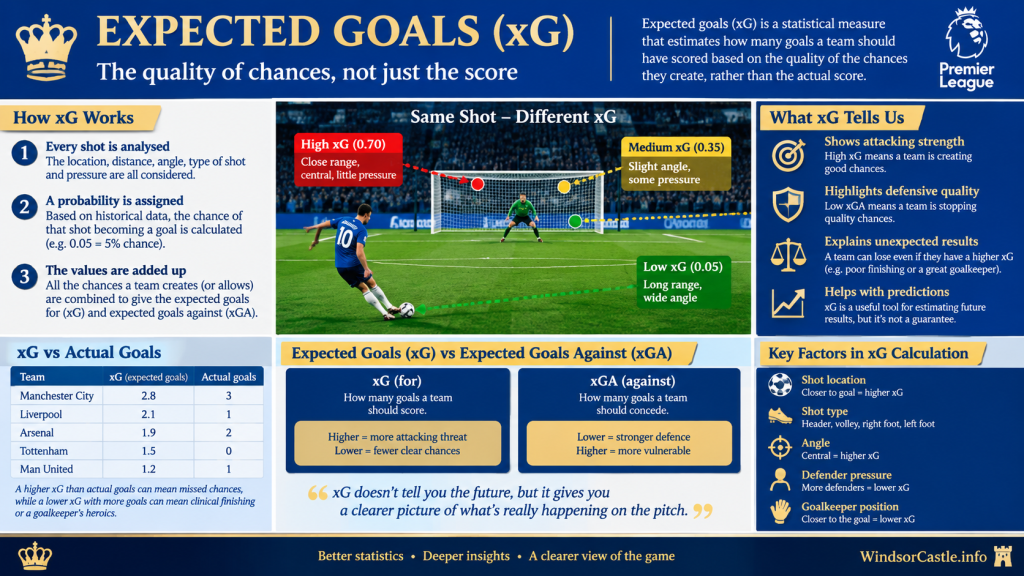
Premier League Round-up: Villa Shock City, Arsenal Close In and Spurs Win the Derby
Saturday’s results have shaken up the early title conversation. We recap Friday and Saturday’s action, then look ahead to Sunday’s five fixtures with score predictions and the key questions to watch.
Results checked against published match reporting and results listings on 24 October 2026. Sunday fixtures below are previews, not results.
Saturday’s talking points
Aston Villa 2–1 Manchester City: the perfect run ends
Aston Villa delivered the headline result, beating Manchester City 2–1 at Villa Park and ending City’s perfect league start. Nicolas Jackson struck twice for Villa; Erling Haaland briefly brought the visitors level after the interval, but Villa found the decisive goal. City remain right in the title picture, yet the result gives their challengers encouragement: even the strongest early-season momentum can be interrupted by a disciplined, clinical performance.
What it means: Villa’s win strengthens their push towards the European places, while City must respond quickly if they want to keep their rivals at arm’s length.
Arsenal 2–0 Everton: a clean, important home win
Arsenal took three points with a 2–0 victory over Everton. The Gunners were efficient at the Emirates and made the most of their opportunities, keeping pressure on the leaders. For Everton, the challenge is turning competitive spells into goals and points against sides who punish mistakes.
What it means: Arsenal’s result puts them level on points with City in the early title race, according to Saturday’s reporting.
Coventry City 0–1 Fulham: one moment makes the difference
Fulham edged a tight contest 1–0, with Oscar Bobb providing the decisive finish late in the match. It was a valuable away win in a game where the margins were fine. Coventry will be frustrated to come away empty-handed after keeping the contest close for so long.
Chelsea 0–2 Tottenham: Spurs take the London bragging rights
Tottenham earned a significant 2–0 win at Stamford Bridge. Chelsea goalkeeper Mike Penders was involved in an own goal that opened the scoring, before Mathys Tel added a second. Chelsea’s task became harder after Cole Palmer was sent off. For Spurs, this was a composed away performance and a result that can build confidence; Chelsea will need to review both discipline and their response to setbacks.
Ipswich Town 1–1 Nottingham Forest: a point apiece
Friday’s opener finished level. Nottingham Forest took the lead through Neco Williams, before Julio Enciso rescued a point for Ipswich. Neither side could find a winner, leaving the fixture as a hard-fought start to the weekend rather than a decisive breakthrough.
“The table tells one story after eight games; the next ninety minutes can change it again.”
WindsorCastle.info Football Desk — editorial comment
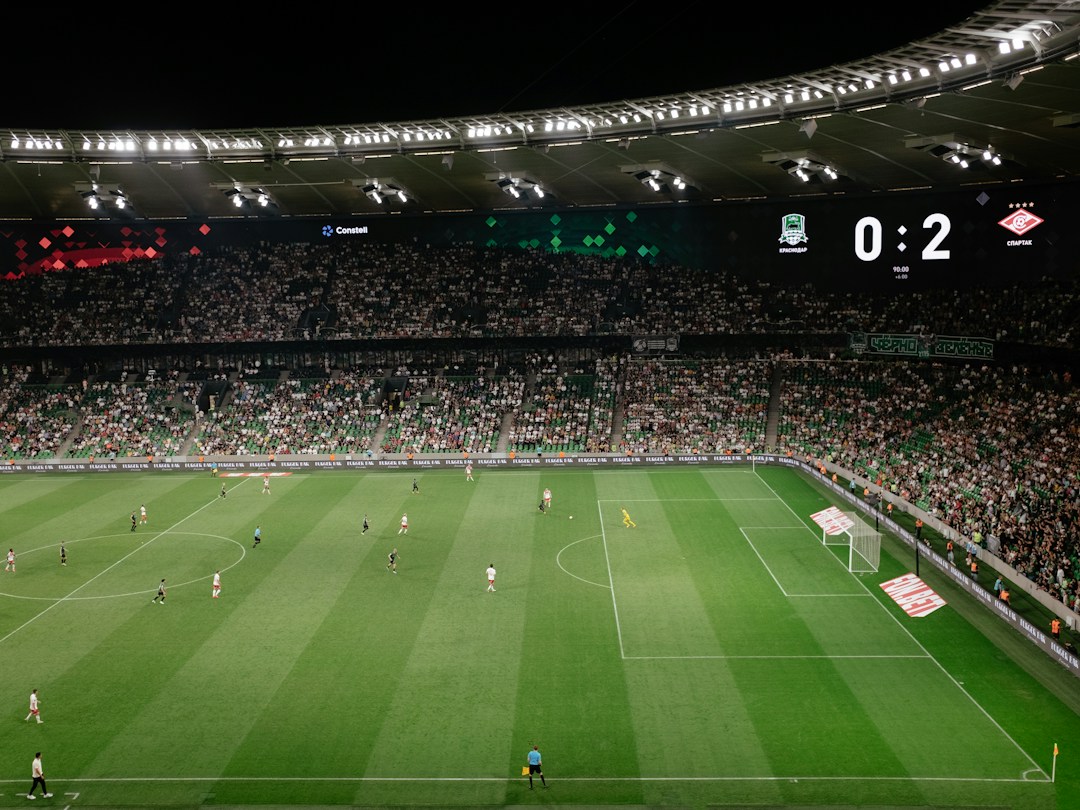
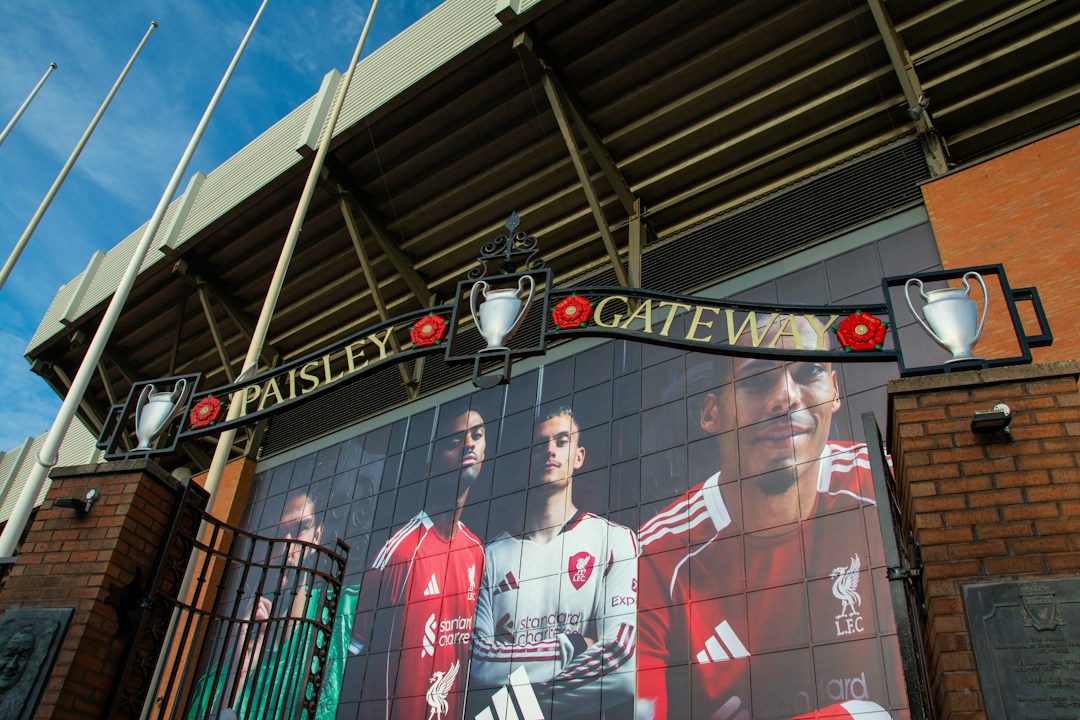
Football is as much about the supporters as the scoreline. Photo by CHUTTERSNAP / Unsplash.
Sunday 25 October: fixtures and predictions
All kick-off times are UK local time. The clocks go back overnight on Sunday, so the times below are GMT. These scorelines are the Football Desk’s editorial predictions, not betting advice or guaranteed outcomes.
Crystal Palace v Newcastle United — 2.00pm
Prediction: Crystal Palace 1–1 Newcastle. This looks like a close contest in which midfield control and transitions could decide the balance. Palace will want to use home energy to press early; Newcastle’s route may be to stay compact and attack quickly when possession turns over. A draw feels plausible if neither side can sustain pressure for long spells.
Hull City v Brentford — 2.00pm
Prediction: Hull City 1–2 Brentford. Brentford get the nod in a game that could be decided by set pieces and second balls. Hull’s home advantage should make them competitive, but if Brentford can turn pressure into clear chances, the visitors may have enough to edge it.
Liverpool v Brighton & Hove Albion — 2.00pm
Prediction: Liverpool 1–1 Brighton. This is one of Sunday’s most intriguing fixtures. Liverpool will be keen to make home advantage count, while Brighton arrive with a strong early-season reputation and the confidence of a side capable of pressing and creating chances. If Brighton keep their defensive shape and play through Liverpool’s pressure, a share of the points is a reasonable forecast.
Manchester United v AFC Bournemouth — 2.00pm
Prediction: Manchester United 2–1 Bournemouth. United need a positive domestic response after a difficult midweek European result, but Bournemouth have shown they can make matches uncomfortable. Expect the hosts to try to establish territory early; the key may be whether they can protect the space behind their defence when Bournemouth break.
Sunderland v Leeds United — 4.30pm
Prediction: Sunderland 1–1 Leeds United. A potentially intense encounter between two sides who will value every point. Sunderland’s home crowd could provide an early lift, while Leeds will look to turn the game into a high-energy contest. The prediction is a draw, with set plays and second-half substitutions likely to matter.
Sunday’s checklist
Title race: Can Arsenal keep pace after City’s first league defeat?
European places: Can Villa turn a statement win into a sustained run?
London confidence: Will Tottenham build on their Stamford Bridge victory?
Pressure points: Which of Sunday’s sides can turn a tight game into three points?
Image credits: Featured stadium photograph by Fancy Crave on Unsplash; supporters photograph by CHUTTERSNAP on Unsplash. Images are illustrative and are not photographs of the specific matches reported.
Editorial note: Match summaries are independently written from the sources linked above. Sunday score predictions are opinions and should be read as forecasts, not facts.
By WindsorCastle.info Football Desk | 24 October 2026
WindsorCastle.info Football Desk | 22 October 2026
Manchester City face a demanding trip to Aston Villa, Chelsea prepare for a London derby against Tottenham, and Liverpool host Brighton in a weekend packed with talking points. We preview all ten fixtures, examine the tactical battles and assess a speculative Villa–Chelsea–Liverpool winning treble.
The weekend question: who will make a statement?
The Premier League returns with ten fixtures across Friday 23 October to Sunday 25 October. Supporters have title contenders to watch, a fiercely contested London derby and several games that could influence the early race for European qualification and survival.
Our three featured matches are Aston Villa v Manchester City, Chelsea v Tottenham Hotspur and Liverpool v Brighton. They offer three very different challenges: facing an elite opponent, managing the pressure of a derby and overcoming an adventurous visiting side.
“One weekend can change the conversation around a club, but consistency over a season is what ultimately separates contenders from pretenders.”
All predictions in this article are pre-match assessments, not confirmed results. Team selections, injuries, suspensions and late tactical changes can alter the outlook.
Image 2 — The weekend atmosphere
Photographer: Tanya Barrow
Alt text: Supporters watching a football match in a packed Wembley stadium.
SEO description: Football fans and stadium atmosphere introduce the weekend’s Premier League match previews and tactical talking points.
1. The fixtures to circle in your diary
All times below are UK local times. Check the official Premier League fixture page for any late changes.
Friday’s match opens the weekend with Ipswich hosting Nottingham Forest. The home side will want to make its own ground count, while Forest will look for opportunities to exploit space on the counter-attack.
The key battle is likely to be midfield control. If Ipswich can move the ball quickly and maintain pressure, Forest may be forced into a deeper defensive shape. If the visitors win possession and break efficiently, they could make life uncomfortable for the hosts.
Our prediction: a competitive match, with a draw a plausible outcome.
What to watch: the first goal, transitions after turnovers and whether either team can create clear chances from wide areas.
3. Main feature: Aston Villa v Manchester City
<em>Saturday 24 October, 12.30pm | Villa Park</em>
Can Villa upset the favourites?
Manchester City enter this fixture as the market favourites, but an away trip to Villa Park presents a different challenge from a home match against a team sitting deep.
Villa’s opportunity is to disrupt City’s rhythm. A compact midfield, disciplined pressing and quick forward passes could expose space behind City’s advancing players. Villa must, however, choose their pressing moments carefully: chasing possession without coordinated support could leave dangerous gaps.
City will seek to control the tempo, move Villa’s defensive block from side to side and create openings around the penalty area. Their ability to recycle possession and recover quickly after losing the ball could prove decisive.
Three tactical questions
Can Villa press City without leaving space behind their midfield?
Can City create high-quality chances if Villa defend compactly?
Which team handles the decisive moments better: set pieces, transitions and one-on-one situations?
Our prediction: Manchester City have the stronger pre-match market position, but a Villa victory is the higher-risk alternative.
Illustrative score prediction: Aston Villa 1–2 Manchester City.
Value angle: Villa to win is the adventurous selection rather than the conservative one. It should not be treated as a banker.
Image 3 — Aston Villa v Manchester City
Photographer: David Bayliss
Alt text: Villa Park football stadium and pitch ahead of the Aston Villa versus Manchester City preview.
SEO description: Aston Villa face Manchester City at Villa Park in a key Matchweek 8 fixture, with tactical analysis and an assessment of the home side’s chances.
Arsenal will aim to turn possession into clear chances against an Everton side likely to value organisation and defensive discipline.
The challenge for Arsenal is to avoid allowing territorial dominance to become sterile possession. Quick combinations around the box, well-timed runs beyond the defence and effective counter-pressing could help them break Everton down.
Everton’s best route may involve staying compact, competing for second balls and exploiting any spaces Arsenal leave when committing players forward.
Our prediction: Arsenal to win.
Illustrative score prediction: Arsenal 2–0 Everton.
5. Coventry City v Fulham
<em>Saturday 24 October, 3.00pm</em>
Coventry will look to turn home support into an energetic performance, while Fulham will hope their possession and movement can create openings.
The first goal could be particularly important. If Coventry score first, Fulham may have to take more risks; if Fulham establish control early, the home side could be pushed into a more defensive approach.
Our prediction: a close match, with Fulham having a credible chance of taking the points.
Illustrative score prediction: Coventry City 1–1 Fulham.
6. Special feature: Chelsea v Tottenham Hotspur
<em>Saturday 24 October, 5.30pm | London derby</em>
Can Chelsea turn home advantage into three points?
A London derby rarely needs extra motivation. Chelsea will want to impose themselves at home, while Tottenham will look for ways to unsettle their rivals and turn transitions into scoring opportunities.
Chelsea’s route to victory could depend on how well they protect possession under pressure and how quickly they recover when attacks break down. If their defensive organisation remains strong, they may be able to sustain pressure without offering Tottenham easy counter-attacking chances.
Tottenham’s best opportunity may come from aggressive forward movement, quick combinations and attacking the space left by Chelsea’s full-backs.
The tactical battle
Chelsea should seek to establish control and force Tottenham to defend for sustained periods. Tottenham, in turn, will want to avoid becoming pinned back and will look for opportunities to attack quickly when possession changes hands.
The derby could turn on an individual mistake, a set piece or the effectiveness of the teams’ finishing.
Our prediction: Chelsea to win, with a draw remaining a serious possibility.
Illustrative score prediction: Chelsea 2–1 Tottenham Hotspur.
Treble selection: Chelsea to win. This is a market-supported home selection, but derby matches are inherently unpredictable.
Image 4 — Under the floodlights
Photographer: Teo Zac
Alt text: Football match under bright stadium floodlights, illustrating the excitement of the Premier League weekend.
SEO description: A floodlit football match sets the scene for Premier League predictions, team tactics and the Chelsea versus Tottenham London derby.
Palace will look to use home advantage and direct attacking transitions, while Newcastle will seek to turn their technical quality into sustained pressure.
The contest could be decided by how well Palace defend the spaces around their penalty area and whether Newcastle can create chances without leaving themselves vulnerable on the break.
Our prediction: a narrow Newcastle win is possible, although Palace at home could make this difficult.
Illustrative score prediction: Crystal Palace 1–2 Newcastle United.
8. Hull City v Brentford
<em>Sunday 25 October, 2.00pm</em>
Hull face a test against a Brentford side whose organised approach and ability to exploit set pieces could be important factors.
Hull need to avoid giving away cheap free-kicks and corners. Brentford will look for opportunities to turn dead-ball situations, crosses and second balls into chances.
Our prediction: Brentford to edge the contest.
Illustrative score prediction: Hull City 1–2 Brentford.
9. Liverpool v Brighton
<em>Sunday 25 October, 2.00pm</em>
Can Liverpool overcome Brighton’s attacking threat?
Liverpool have home advantage, but Brighton are not an opponent to underestimate. Their willingness to play forward and move the ball through tight spaces can test even well-organised defences.
Liverpool’s route to victory is likely to involve pressing with coordination, winning the ball in useful areas and attacking quickly before Brighton can reset. Brighton, meanwhile, will want to resist that pressure and draw Liverpool out of position.
The important question is whether Liverpool can turn their attacking opportunities into goals without allowing Brighton to exploit the spaces left behind.
Three factors that could decide the match
Pressing: can Liverpool force turnovers high up the pitch?
Defensive transitions: can they prevent Brighton from creating chances immediately after regaining possession?
Finishing: will Liverpool make the most of their home advantage?
Brighton’s attacking potential makes this an intriguing contest. Liverpool should not assume that possession alone will secure the points.
Our prediction: Liverpool to win narrowly.
Illustrative score prediction: Liverpool 2–1 Brighton.
Treble selection: Liverpool to win. Of our three featured selections, this is still a match where the draw and Brighton’s attacking quality deserve respect.
10. Manchester United v Bournemouth
<em>Sunday 25 October, 2.00pm</em>
Manchester United will aim to use home advantage to secure three points, but Bournemouth could make this uncomfortable if they press aggressively and attack quickly after winning possession.
United will need to maintain their composure when building from the back and avoid giving Bournemouth opportunities to attack against an unsettled defence.
Our prediction: Manchester United to win narrowly, with both teams capable of scoring.
Illustrative score prediction: Manchester United 2–1 Bournemouth.
11. Sunderland v Leeds United
<em>Sunday 25 October, 4.30pm</em>/?
The final match of the weekend could be an important test of resilience for both sides. Sunderland will hope their home support helps them start strongly, while Leeds will want to turn their competitive performances into points.
The midfield battle and the quality of finishing may matter more than possession statistics. Both teams will need to defend set pieces carefully and avoid conceding first.
Our prediction: a closely fought match, with a draw a reasonable possibility.
Illustrative score prediction: Sunderland 1–1 Leeds United.
Image 1 — Featured image: A football stadium from above
Photographer: Willian Justen de Vasconcellos
Alt text: Aerial view of a football stadium and pitch for the Premier League Matchweek 8 preview.
SEO description: Preview the Premier League fixtures for 23–25 October 2026, with match predictions and the featured Aston Villa, Chelsea and Liverpool games.
The idea is simple: combine three home wins in one multiple bet. It is an attractive footballing narrative, but it is also a high-risk selection because every leg must win for a standard accumulator to pay out.
The three selections
Selection
Indicative fractional odds
Assessment
Aston Villa to beat Manchester City
15/4
The outsider selection; highest risk
Chelsea to beat Tottenham
4/6
Home advantage, but derby uncertainty
Liverpool to beat Brighton
23/20
Home win is plausible, but Brighton are dangerous
These indicative prices were listed by a bookmaker’s Premier League market page when checked. Prices can move, and availability and terms vary by operator. Check current Premier League odds.
What could the treble return?
Using those example prices:
Aston Villa: 15/4 = 4.75 in decimal odds.
Chelsea: 4/6 = approximately 1.67 in decimal odds.
Liverpool: 23/20 = 2.15 in decimal odds.
Multiplying the decimal prices gives combined odds of approximately 17.0 (equivalent to around 16/1 in fractional terms).
For illustration only, a £1 stake at decimal odds of 17.0 would return approximately £17 in total, including the original stake, if all three selections won. A £5 stake would return approximately £85 in total under the same assumed price.
These figures are arithmetic examples, not a live quote or a forecast of profit. The actual price could be different when a bet is placed.
Why the treble is risky
Villa face the strongest opponent of the three: City are the market favourites, so Villa winning is the most obvious danger to the combination.
Chelsea face a derby rival: form and home advantage do not eliminate the possibility of a draw or Tottenham victory.
Brighton can trouble Liverpool: an attacking opponent can make a home win less certain than the odds alone might suggest.
One failed leg loses the standard accumulator: two correct predictions are not enough to win.
Our editorial verdict: the Villa–Chelsea–Liverpool treble is an adventurous long-odds idea, not a recommended certainty. Anyone choosing to bet should set a small, affordable limit, never chase losses and remember that no prediction can guarantee a return. Readers who prefer not to gamble can simply follow the three matches as our featured football stories of the weekend.
13. Our provisional Christmas top-ten forecast
A Christmas table forecast is a snapshot, not a guarantee. Injuries, suspensions, European fixtures, manager decisions and the difficulty of upcoming opponents can all change the picture.
Our provisional forecast, based on the early-season assessment supplied for this feature, is:
Manchester City — the early benchmark, provided they sustain their performance level.
Arsenal — strong enough to remain close to the leaders.
Brighton — attacking potential gives them the opportunity to surprise.
Liverpool — quality and attacking depth could keep them in the European places.
Chelsea — defensive consistency will be central to their prospects.
Aston Villa — efficient performances could help them climb.
Brentford — organisation and set pieces could support a strong top-half campaign.
Leeds United — competitive performances offer a foundation to build on.
Everton — goals may determine whether they can move higher.
Newcastle United — quality is evident, but consistency will matter.
This is an editorial prediction rather than a mathematically modelled league-table forecast. It should be updated as verified results and the official standings develop.
14. The WindsorCastle.info verdict
This weekend’s headline question is whether Aston Villa can frustrate Manchester City at Villa Park. Chelsea have a chance to make a statement in the London derby, while Liverpool must be alert to Brighton’s attacking threat.
Our three featured predictions are:
Aston Villa v Manchester City: Manchester City to win, with Villa as the high-risk alternative.
Chelsea v Tottenham: Chelsea to win narrowly.
Liverpool v Brighton: Liverpool to win narrowly.
The proposed Villa–Chelsea–Liverpool treble offers a high potential return at the example prices, but the risk is substantial. We recommend treating the combination as a discussion point, not a safe bet.
Follow the fixtures, compare the predictions with the actual performances and return to WindsorCastle.info as the Christmas title race develops.
Editorial note: This is sports commentary and an illustrative betting-odds discussion, not financial advice or a guarantee of results. Confirm team news, kick-off times and prices before making decisions.
WindsorCastle.info Football Desk
Explore. Learn. Discover.
Images for the WordPress article
These four Unsplash photographs have identifiable photographers and individual image pages. They can be used as editorial football imagery; they are not claimed to depict the exact upcoming fixtures.
Image 1 — Featured image: A football stadium from above
Photographer: Willian Justen de Vasconcellos
Alt text: Aerial view of a football stadium and pitch for the Premier League Matchweek 8 preview.
SEO description: Preview the Premier League fixtures for 23–25 October 2026, with match predictions and the featured Aston Villa, Chelsea and Liverpool games.
Alt text: Villa Park football stadium and pitch ahead of the Aston Villa versus Manchester City preview.
SEO description: Aston Villa face Manchester City at Villa Park in a key Matchweek 8 fixture, with tactical analysis and an assessment of the home side’s chances.
Image credit note: Keep the photographer’s name and original Unsplash link with each selected image. Confirm the individual image licence and download the actual file before uploading it to WordPress.
SEO settings for WindsorCastle.info
SEO title
Premier League Matchweek 8 Preview & Predictions | WindsorCastle.info
Meta description
Preview all ten Premier League fixtures from 23–25 October 2026. Read our Aston Villa, Chelsea and Liverpool analysis, score predictions and illustrative treble odds.
Premier League fixtures October 2026, Aston Villa vs Manchester City prediction, Chelsea vs Tottenham preview, Liverpool vs Brighton prediction, Premier League treble odds, Christmas table forecast.
Excerpt
Ten Premier League fixtures, three headline clashes and a provisional Christmas table forecast. Explore our tactical previews of Aston Villa v Manchester City, Chelsea v Tottenham and Liverpool v Brighton, plus illustrative treble odds and score predictions.
Second Take Premier League: Unlocking Triple Odds for Brighton, Aston Villa, and Spurs
Welcome back to the Second Take Premier League column, where we look past the surface numbers to analyze tactical trends, form shifts, and smart market strategies.
In this edition, we’re spotlighting three prominent Premier League clubs—Brighton & Hove Albion, Aston Villa, and Tottenham Hotspur—examining why backing them to win can yield lucrative triple-odds value, and breaking down where and how to find the best market alternatives.
🦅 Brighton & Hove Albion: Tactical Precision Meets Value
Brighton continue to impress with their progressive style of play and sharp talent identification. Under their tactical structure, the Seagulls have consistently proven capable of pulling off high-profile upsets and dominating possession against mid-to-lower-tier sides.
Why back them for a win: Brighton’s fluid passing triangles and high-intensity press create immense pressure on opposing defenses. When they click, they rack up multi-goal margins (evidenced by emphatic performances like their 4–0 victory over Aston Villa earlier in the season).
The Triple Odds Angle: Because bookmakers occasionally price Brighton slightly longer against traditional “Big Six” blockbusters or tricky away fixtures, pairing their match victories with specific game states (such as both teams scoring or a clean sheet) routinely pushes accumulator or boosted markets straight into triple-odds (3/1 or higher) territory.
🦁 Aston Villa: Unai Emery’s European Mentality
Unai Emery has turned Aston Villa into a formidable force capable of grinding out critical results both domestically and on the European stage. With a balanced squad featuring creative sparks like Emiliano Buendía and clinical presence up top, Villa are always a threat.
Why back them for a win: Villa’s tactical discipline allows them to absorb pressure and strike decisively on the counter. Their recent gritty 1–0 away win against Newcastle United and strong performances underline their resilience.
The Triple Odds Angle: When Villa face stern away tests or host heavyweights at Villa Park, match-win markets combined with goal-scorer bets (like a Watkins or Buendía impact) often open up enhanced accumulator value, stretching standard prices past the 3.00 (3/1) mark.
🐓 Tottenham Hotspur: High-Risk, High-Reward Attacking Flair
Spurs remain one of the most entertaining and unpredictable watches in the Premier League. Their commitment to high-line, hyper-attacking football means matches involving Tottenham are rarely boring.
Why back them for a win: On their day, Spurs can blow opponents away with blistering pace in transition and relentless box entries.
The Triple Odds Angle: Due to defensive vulnerabilities that occasionally keep matches close, betting on a Spurs win alongside an open, high-scoring game (e.g., Over 2.5 Goals and BTTS) naturally inflates the odds, frequently landing right in the lucrative triple-odds bracket.
🌐 Where to Find and Compare Different Odds
Finding the best price requires looking beyond a single bookmaker. To maximize your returns on treble odds or customized match multiples, consider these strategies:
Odds Comparison Portals: Use aggregators like Oddschecker or Acnets to instantly compare live prices across major UK and international sportsbooks. Even a small fractional difference (e.g., 3/1 vs. 13/4) makes a significant impact over time.
Bookmaker Price Boosts: Major operators frequently offer daily “Enhanced Accas” or “Wink Boosts” on Premier League matchdays. Keep an eye out for pre-packaged treble specials involving teams like Brighton, Villa, or Spurs.
Bet Builders: If standard match odds are too short, use custom Bet Builders to combine a team win with specific statistical markers—such as total corners or player shots on target—to tailor your own triple-odds value safely.
For more deep dives into stadium culture, local heritage, and football commentary, check out resources like the Windsor Castle blog by Simon Gemmill.
Categories and tag cloud
Category hierarchy
– Football (parent)
Premier League (child)
Match Previews & Predictions (child)
Fixtures & Results (child)
Betting Odds & Analysis (child)
Suggested category counts for this article’s classification: Football (1 parent), Premier League (1 child), Match Previews & Predictions (1 child), Fixtures & Results (1 child), Betting Odds & Analysis (1 child). These are suggested assignments, not claims about the current number of posts in WordPress.
Suggested tag cloud — 12 tags
Season 2026-2027
100/10/1000/1
Tag
Count
Premier League
1
Matchweek 8
1
October 2026 fixtures
1
Aston Villa
1
Manchester City
1
Chelsea
1
Tottenham Hotspur
1
Liverpool
1
Brighton
1
Match predictions
1
Christmas table forecast
1
Football odds analysis
1
Featured Category
1,0’s
Tag counts above mean the number of times each tag is assigned in this proposed article (one each), not the total usage across the website.
Author and publishing details
Author display name: WindsorCastle.info Football Desk
Suggested author bio: The WindsorCastle.info Football Desk covers Premier League fixtures, tactical talking points, match predictions and football news, with an emphasis on clear analysis and links to official sources.
Suggested image-credit format: “Photograph by [photographer], via Unsplash.”
Suggested publication status: Draft, pending final checks of match previews, odds, image files and current team news.
Upcoming Premier League fixtures, featuring long shots, opposite outcomes, lowest-odds favorites, and a balanced compromise bet.
📅 The Selected 5 Fixtures(Matchweek 8)
Aston Villa vs. Manchester City
Arsenal vs. Everton
Chelsea vs. Tottenham Hotspur
Liverpool vs. Brighton
Manchester United vs. Bournemouth
Here is a tactical evaluation of the defensive tackling capability and structural durability across all 5 Matchweek 8 fixtures. We analyze whether defensive lines can sustain 100% intensity for 90 minutes or if late-game cracks will appear.
1. 🦁 Aston Villa vs. Manchester City 🩵
📋 Tactical Synopsis
Aston Villa rely on Unai Emery’s ultra-compact, high-risk offside trap and heavy central tackling from their pivot (Boubacar Kamara and Amadou Onana). Manchester City, meanwhile, test defensive patience through relentless positional rotations, suffocating high-turnover pressing, and late overloads.
⚖️ What Is Most Likely to Happen
City will monopolize possession and repeatedly probe Villa’s defensive line. While Villa’s central defenders can hold firm during early waves, the physical demand of holding a tight high line under constant pressure leads to mental fatigue. Cracks will appear late in the second half as City’s bench depth exposes gaps in Villa’s defensive transition.
Middle (Most Likely Phase): City wear down Villa’s midfield through sustained passing volume.
Final Synthesis:Cracks appear late. City break through around the 70th minute via dynamic wingplay or set-piece breakdowns.
🎯 Final Outcome Matrix
2. 🔴 Arsenal vs. Everton 💙
📋 Tactical Synopsis
Arsenal possess one of Europe’s most complete defensive units—combining elite dueling metrics, high tackle success in the middle third, and zero tolerance for structural breakdown. Everton rely on low-block defensive tackling, physical box clearances, and deep defensive resilience.
⚖️ What Is Most Likely to Happen
Arsenal’s backline will comfortably last 90 minutes without structural fatigue. In contrast, Everton’s deep block will spend 70%+ of the match defending under extreme physical strain. While Everton’s central defenders tackle well in isolated duels, Arsenal’s set-piece dominance and overload tactics will force defensive gaps.
🎯 Final Outcome Matrix
Beginning (Initial Setup): Everton sustain early pressure with heavy tackles and low-block resistance.
Middle (Most Likely Phase): Arsenal control the tempo completely, neutralizing Everton’s rare counterattacks.
Final Synthesis:Arsenal hold 100% stability; Everton crack. Arsenal eventually breach Everton’s exhausted block through set-piece dominance or late cutbacks.
3.🔵 Chelsea vs. Tottenham Hotspur ⚪
📋 Tactical Synopsis
Chelsea utilize a dynamic, physical pressing structure in midfield to disrupt opponent build-up. Tottenham play a high-risk, aggressive defensive line under high physical demands, relying heavily on recovery tackles from their centre-backs when counter-attacked.
⚖️ What Is Most Likely to Happen
Spurs’ high-line defensive system requires near-flawless tackling accuracy. As fatigue sets in after the 65th minute, split-second timing on recovery tackles drops off. Chelsea’s quick wingers will exploit space behind the line, leading to high-friction transition moments and key defensive mistakes from both sides.
🎯 Final Outcome Matrix
Beginning (Initial Setup): High-tempo frantic duels across both midfields with frequent tactical fouls.
Final Synthesis:Cracks will appear on both sides. Expect a high-scoring second half or late match turning points caused by defensive lapses.
4. 🔴 Liverpool vs. Brighton 🔵
📋 Tactical Synopsis
Liverpool’s defensive system relies on counter-pressing high up the pitch and strong aerial dominance in the back four. Brighton deploy progressive, risk-heavy build-up play from the back, relying on press-resistant passing and precise perimeter tackling under pressure.
⚖️ What Is Most Likely to Happen
Brighton’s defenders will execute clean tackles in early phases, but Liverpool’s high-intensity pressing at Anfield subjects opposing backlines to relentless turnover risks. One misplaced pass or missed tackle in Brighton’s defensive third often leads directly to clear-cut goal chances.
🎯 Final Outcome Matrix
Beginning (Initial Setup): Brighton successfully play through Liverpool’s initial press with neat, short passing.
Middle (Most Likely Phase): Liverpool elevate the pressing tempo, forcing rushed clearances.
Final Synthesis:Brighton show late cracks. Sustained pressing pressure eventually forces a costly turnover in Brighton’s defensive third.
5. 👹 Manchester United vs. Bournemouth 🍒
📋 Tactical Synopsis
Manchester United’s defensive line can suffer from structural disconnects between their midfield pivot and defensive back four, leaving gaps in central transition. Bournemouth feature a disciplined, high-workrate defensive block capable of disruptive tackles and rapid counter-attacks.
⚖️ What Is Most Likely to Happen
United often struggle to sustain defensive concentration for 90 minutes. If United fail to secure a comfortable early lead, Bournemouth’s direct counter-attacking pace will test United’s full-backs in 1v1 duels, increasing the likelihood of late defensive mistakes.
🎯 Final Outcome Matrix
Beginning (Initial Setup): United control early possession but remain vulnerable on swift turnovers.
Middle (Most Likely Phase): Bournemouth absorb pressure and target isolated United defenders on the break.
Final Synthesis:United are vulnerable to late cracks. Unless United control the game’s pace early, Bournemouth’s persistence will yield late scoring opportunities.
📊 90-Minute Defensive Durability Summary
Fixture
Defensive Stability (100% capability)
Likelihood of Cracks Appearing
Expected Phase of Breakdown
Villa vs. Man City
Villa: 65% / Man City: 90%
🔴 High (Villa)
70’+ (Fatigue against Man City bench)
Arsenal vs. Everton
Arsenal: 95% / Everton: 50%
🔴 High (Everton)
60’+ (Sustained box pressure)
Chelsea vs. Spurs
Chelsea: 75% / Spurs: 60%
🔴 Very High (Both)
65’+ (Transition fatigue & high line)
Liverpool vs. Brighton
Liverpool: 85% / Brighton: 65%
🟡 Moderate-High (Brighton)
55’+ (High-press turnovers)
Man Utd vs. Bournemouth
Man Utd: 65% / Bournemouth: 75%
🟡 Moderate-High (Man Utd)
75’+ (Midfield transition gaps)
1. 🚀 Long Shot Bet (High Odds: Home Wins, Away Wins & Draws)
This selection builds an aggressive 5-leg accumulator featuring a mix of home wins, away wins, and draws:
Aston Villa vs. Manchester City: Draw
Arsenal vs. Everton: Arsenal Win (Home)
Chelsea vs. Tottenham Hotspur: Tottenham Win (Away)
Liverpool vs. Brighton: Draw
Manchester United vs. Bournemouth: Bournemouth Win (Away)
Estimated Combined Odds:~180/1 (181.00)
2. 🔄 The Complete Opposite Bet
This selection takes the exact inverse of every match outcome from Option 1:
Aston Villa vs. Manchester City: Decisive Result (Aston Villa Win or Man City Win)
Arsenal vs. Everton: Everton Win (Away) or Draw
Chelsea vs. Tottenham Hotspur: Chelsea Win (Home) or Draw
Liverpool vs. Brighton: Decisive Result (Liverpool Win or Brighton Win)
Manchester United vs. Bournemouth: Manchester United Win (Home) or Draw
Estimated Combined Odds:~25/1 (26.00)
3. 🛡️ Lowest Odds Bet (Heavy Favorites & Double Chance)
A safer, low-risk accumulator picking the strongest clear favorites and high-probability options:
Aston Villa vs. Manchester City: Manchester City Win
Arsenal vs. Everton: Arsenal Win
Chelsea vs. Tottenham Hotspur: Chelsea Win or Draw (Double Chance)
Liverpool vs. Brighton: Liverpool Win
Manchester United vs. Bournemouth: Manchester United Win
Estimated Combined Odds:~4.5/1 (5.50)
4. ⚖️ The Balanced Compromise (With One Home Draw)
To find a middle ground between realistic value and higher returns, this bet keeps core favorites while introducing one strategic Home Draw on a tight derby fixture (Chelsea vs. Spurs):
Aston Villa vs. Manchester City: Manchester City Win (Away)
Arsenal vs. Everton: Arsenal Win (Home)
Chelsea vs. Tottenham Hotspur:DRAW (Home Draw Compromise)
Liverpool vs. Brighton: Liverpool Win (Home)
Manchester United vs. Bournemouth: Manchester United Win (Home)
Imagine sending information backwards through time. Explore the scientific challenges, paradoxes and possibilities of communication across history.
Imagine waking tomorrow to find a message on your phone that was sent yesterday—by your future self. It says: “Do not take the 8:15 train.” Would you believe it? And if you obeyed, what would happen to the future in which you sent the warning?
The idea of communicating with the past sits at the crossroads of physics and science fiction. A message seems far simpler than transporting a person through time: it might require only a few bits of information, a receiver and a way to make the signal travel against the ordinary direction of cause and effect. Yet that final requirement is the extraordinary obstacle.
Could physics allow a message to travel backwards?
In everyday life, causes come before their effects. Modern physics complicates our intuition about time, but it has not demonstrated a practical method for sending a controllable message into the past.
Einstein’s theory of general relativity describes gravity as the curvature of spacetime. Some mathematical solutions to its equations contain unusual structures—such as closed timelike curves—that could, in principle, loop through spacetime. These are intriguing theoretical possibilities, not proven time machines. Whether such structures can exist in our universe, remain stable and be used by people is unknown.
The central puzzle is not simply how to send a signal, but how to make its arrival consistent with everything that already happened.
This is an original editorial summary, not a quotation attributed to a named scientist.
Quantum entanglement: a shortcut to yesterday?
Quantum entanglement links measurement outcomes of particles in ways that have no straightforward classical explanation. It is sometimes portrayed in popular culture as instant communication. However, entanglement alone cannot be used to transmit a chosen message faster than light, let alone backwards in time. The outcomes cannot be controlled to spell out a signal at the other end.
Quantum theory contains thought experiments and interpretations that explore time symmetry, but none has established a reliable method for sending information into the past. The distinction between a fascinating mathematical idea and a working communication device is essential.
The paradox problem
Suppose a researcher sends a message to prevent the experiment that will eventually allow the message to be sent. If the experiment never happens, who sent the warning?
The consistency approach: events involving the message would have to fit together without contradiction. The warning might already be part of the history it appears to change.
The branching-timeline approach: a message could affect a different branch of events rather than rewrite the sender’s own past. This is a popular science-fiction idea, not an established communication technology.
The chronology-protection possibility: unknown physical effects might prevent usable backward time travel altogether. This remains an open theoretical question.
A thought experiment: the message in the archive
Imagine a historian discovers a sealed envelope dated 100 years in the future. Inside is a precise description of an event that has not yet happened. If the historian publishes it, does the message help cause the event—or merely record a future that was always going to unfold?
This is the storytelling power of temporal communication: one small note can turn knowledge into a cause, and a cause into a puzzle.
What could we do with messages from the future?
If safe, reliable communication with the past were ever possible, its implications would be enormous. Warnings about disasters, scientific discoveries delivered decades early, or personal messages to loved ones could reshape decisions and history. It could also create new risks: financial manipulation, political interference, and uncertainty about whether any decision was truly our own.
Even a one-way message would raise difficult questions. Who gets to send it? Can the information be trusted? Would changing one event erase the circumstances that produced the warning? A technology capable of crossing time would need rules as carefully designed as the device itself.
What science says today
At present, there is no verified technology for sending messages into the past. Relativity and quantum physics provide deep insights into time, causality and information, but they do not give us a practical past-directed messaging system. For now, the idea belongs to theoretical debate and imaginative fiction.
That does not make the question pointless. Exploring it helps clarify what causality means, why information matters and where our current understanding of the universe reaches its limits.
If you could send just one sentence to the past, what would you say—and would you dare to read the reply?
Beyond the stars, could another version of reality exist?
Imagine standing on the Long Walk in Windsor, looking towards the Castle as the evening sky turns gold. Now imagine another Windsor beyond the stars: the same river, the same towers, but with a different history. In that imagined world, perhaps a different decision changed the course of a life—or history took an entirely different turn.
The idea of parallel universes sits at the fascinating intersection of physics, philosophy and science fiction. Scientists have explored several ideas that are sometimes grouped under the word multiverse, but they do not all mean the same thing, and none has established that a second version of our world is real.
What is a parallel universe?
In everyday language, a parallel universe is a hypothetical reality that exists alongside our own. It might be imagined as a universe with different events, different physical conditions or another version of history. In cosmology, “multiverse” is a broad label for proposals involving more than one universe; the details depend on the particular hypothesis.
Some proposals suggest regions of space so distant that light from them could never reach us. Other ideas arise from interpretations of quantum mechanics. These are distinct scientific concepts, not evidence for a doorway through which a person could step into another reality.
The many-worlds interpretation
One influential interpretation of quantum mechanics is known as the many-worlds interpretation, associated with physicist Hugh Everett’s work in the 1950s. In broad terms, it describes quantum outcomes as part of a universal quantum state rather than treating measurement as a single, special collapse. Its implications are subtle and remain debated among physicists and philosophers.
It is important not to confuse this interpretation with the familiar film or television image of a person walking through a portal into a world where their life unfolded differently. The many-worlds interpretation does not provide a known method for visiting, communicating with or checking on another branch.
“Some multiverse hypotheses may therefore be great fun to think about but not practically falsifiable and therefore have no predictive scientific value.” — NASA Astronomy Picture of the Day, “Multiverses: Do Other Universes Exist?”
This quotation captures the key caution: a compelling possibility is not automatically a confirmed discovery. Scientific proposals need to be assessed by their mathematics, consistency and, where possible, observable consequences.
Could another universe contain another Earth?
Science fiction often imagines a neighbouring Earth with familiar people and places but a different past. It is a powerful storytelling device: what if a historic decision had gone another way, or a chance meeting had never happened? Such scenarios invite us to think about probability, identity and the consequences of our choices.
However, there is currently no verified evidence that an alternate Earth containing copies of people we know exists. Nor is there an established experiment that can reveal what those hypothetical people might be doing. The idea belongs in the realm of speculation unless and until testable evidence changes that position.
How could scientists investigate the multiverse?
Researchers can examine whether particular multiverse proposals follow from broader theories and whether those theories make predictions that could be tested. In cosmology, scientists study the cosmic microwave background, the expansion of the Universe and the large-scale distribution of galaxies. Such observations help test models of our Universe, but they have not confirmed the existence of parallel universes.
A major challenge is that some hypothetical universes might be causally disconnected from ours. If no signal can travel between them and no observable trace is left in our own universe, direct testing may be impossible. This makes it especially important to distinguish a mathematically developed idea from an experimentally confirmed fact.
Parallel universes in films, books and television
Alternate realities are a rich source of drama because they turn abstract questions into personal stories. A familiar street can become strange; a hero can meet a version of themselves; a single altered event can reshape an entire society. These stories can introduce audiences to genuine questions in physics, even when their portals, timelines and universe-hopping machines are fictional inventions.
When watching a parallel-universe story, try asking: is it using the multiverse as a scientific hypothesis, a metaphor for regret, or simply an imaginative adventure? Knowing the difference can make the story more enjoyable without blurring the line between evidence and invention.
Could Windsor have a parallel history?
Picture a royal castle beneath two skies: one illuminated by a setting sun, the other by distant galaxies. In a fictional parallel Windsor, a different monarch might have commissioned a different tower, a bridge might never have been built, or the town might have developed along another route. These are creative possibilities, not claims about real history.
Windsor’s actual history is extraordinary enough to explore on its own. A parallel-world thought experiment simply gives us another way to appreciate how places change over time—and how small decisions can inspire big questions about the past and the future.
The big question: is another reality out there?
The honest answer is that we do not know. Parallel universes appear in serious scientific discussions and in imaginative fiction, but the different ideas must be judged individually. At present, there is no confirmed proof that another universe contains a duplicate of Earth or that people can travel between realities.
That uncertainty is part of the appeal. The multiverse invites us to ask what reality means, what science can test and where imagination begins. For now, the most responsible conclusion is also the most intriguing: the idea remains open to investigation, but it is not an established fact.
Editorial note: This article is an introduction for general readers. It distinguishes established science from hypotheses and fictional examples; it does not claim that parallel universes have been observed.
Premier League Round-up: City Set the Pace, Brighton Hit Five and Spurs Face Coventry
Monday 19 October 2026 | Matchweek 7 review • Tonight’s preview • Next fixtures • Christmas table forecast
By Simon Ben Gemmill with ChatGPT assistance | Updated: Monday 19 October 2026
The Premier League’s seventh matchweek has delivered a little of everything: Manchester City’s perfect start survived a five-goal thriller, Brighton produced the weekend’s statement result, Arsenal found a late winner, and Manchester United were held at Elland Road. Tonight, Tottenham Hotspur host Coventry City in the final fixture of the round, with pressure building on Spurs to turn a difficult start into points.
Editorial note: the league table below is a snapshot ahead of Monday night’s match. The Christmas forecast is our reasoned prediction, not an official table or a guarantee. Kick-off times are UK local time and fixtures can change; check the official links before travelling.
Everton 0–2 Chelsea: Pedro Neto’s brace gave Chelsea a valuable away win and a first league clean sheet in 23 matches, although the match was not without its injury concerns.
Brentford 1–2 Liverpool: Liverpool came from behind to take the points. Brentford’s two red cards changed the contest, while Florian Wirtz’s creativity became increasingly influential.
Fulham 1–0 Hull City: Fulham finally collected their first league win, a narrow but important result in the lower-table battle.
Manchester City 3–2 Ipswich Town: Erling Haaland scored twice as City preserved their 100 per cent league record. Ipswich made the champions work for it, and City’s late injury concerns will be worth watching.
Newcastle United 0–1 Aston Villa: Johan Manzambi’s early goal settled a tight game and gave Villa a useful away victory. Newcastle’s defensive vulnerabilities remain a talking point.
Sunday 18 October
Bournemouth 2–0 Sunderland: Bournemouth secured their first league win of the season and moved away from the bottom places; Sunderland’s afternoon was made harder by a sending-off.
Brighton 5–0 Crystal Palace: Brighton blew the derby open early. Diego Gómez’s extraordinary long-range strike was the headline moment in a ruthless display that lifted Brighton to third.
Leeds United 1–1 Manchester United: Dominic Calvert-Lewin’s threat at set-pieces helped Leeds earn a point. United showed some midfield promise but left without the win they needed.
Nottingham Forest 0–1 Arsenal: Noni Madueke struck late after Arsenal had struggled to create clear chances. It was not a fluent display, but title challengers must also learn to win awkward away games.
Tonight’s match: Tottenham Hotspur v Coventry City
Monday 19 October • 8.00pm BST • Tottenham Hotspur Stadium
Spurs have the home advantage, but the pressure is on. They began the round without a league win and need to show greater threat in the final third. Coventry arrive with a chance to make the occasion uncomfortable: compact defending, quick transitions and making the most of set-pieces could test a Tottenham side short on confidence.
What could decide it? Spurs must move the ball quickly enough to pull Coventry’s defensive shape apart and avoid becoming predictable. Coventry’s best route is likely to be patience without the ball and sharp counter-attacks into the spaces left by advancing full-backs.
Windsor verdict Tottenham have the stronger squad on paper, but that does not automatically make this straightforward. Prediction: Tottenham 2–1 Coventry. Confidence: moderate; one early goal either way could change the game.
After Manchester United’s draw at Leeds, manager Michael Carrick praised his new midfield pairing, Carlos Baleba and Andrey Santos. The Guardian’s matchweek analysis reports Carrick saying:
“They’re both young players adapting to life at this football club and I thought both of them were terrific today. That’s a massive positive for us.”
Arsenal’s late win was another test of patience. Reuters’ report notes that Mikel Arteta’s side struggled to find a shot on target before the interval, then found a decisive contribution from substitute Noni Madueke. Read the match report and post-match context here: Reuters — Slow-starting Arsenal make patience pay against Forest.
Brighton’s 5–0 win was a different kind of statement. The Guardian’s weekend analysis highlights how quickly Brighton overwhelmed Palace, while Reuters recaps the result and Gómez’s remarkable strike: Reuters matchweek round-up. Quotes above are short extracts attributed to the original reporting; follow the links for full context.
Premier League table snapshot
Before Tottenham v Coventry on 19 October. Points and positions can change after tonight’s match; this snapshot is compiled from published standings and results available at the time of writing.
Our Christmas table forecast: a prediction, not a promise
There are still many matches before Christmas, and injuries, European commitments, form and the fixture list can quickly change the picture. Based on the early evidence—not a statistical certainty—our provisional top ten for the Christmas period is:
Manchester City — their perfect start and scoring output make them the early benchmark.
Arsenal — close enough to apply pressure, with late wins showing resilience even when the attack misfires.
Brighton — the attacking numbers are striking, but sustaining them over a longer run is the test.
Liverpool — creative quality and comeback ability should keep them in the European places.
Chelsea — recent defensive improvement could help them build consistency.
Aston Villa — efficient away performances offer a platform to climb.
Brentford — organised football and a strong start could keep them in the top half.
Leeds United — competitive performances suggest they can stay clear of immediate danger.
Everton — a solid early base, but goals will determine how high they can rise.
Newcastle United — quality is there, although defensive consistency needs attention.
Potential surprise: Brighton could challenge the established top sides if their attacking form remains sustainable. Biggest question: can Manchester City maintain their perfect pace while managing injuries and a busy calendar? At the bottom, Spurs’ response against Coventry and Sunderland’s ability to turn performances into points could shape the early survival race.
We will revisit the forecast as more matches are played. For the official table, match reports and confirmed dates, use the Premier League links below.
Royal blue, gold and the beautiful game. Scores and fixtures checked for this edition; forecasts are editorial opinion and will change as the season develops.
Explore Windsor Castle, historic streets, beautiful parks, the River Thames and the neighbouring town of Eton.
Welcome to WindsorCastle.info, your guide to discovering one of Britain’s most celebrated historic towns. Situated in Berkshire, Windsor brings together centuries of royal heritage, impressive architecture, peaceful riverside walks, independent shops, restaurants and attractions for visitors of all ages. Whether you are planning a day trip, a family holiday or a longer stay, Windsor offers a wonderful combination of history, culture, countryside and modern British life.
From the magnificent towers of Windsor Castle to the tree-lined Long Walk and the historic streets of Eton, there is plenty to explore. This guide will help you plan your visit, discover the main attractions, make the most of your time and find useful information before setting off.
1. Windsor Castle: The Heart of Royal Windsor
Windsor Castle is the town’s best-known landmark and one of Britain’s most important royal residences. Its history stretches back almost a thousand years, and it remains a working royal palace as well as a major visitor attraction.
Inside the castle precincts, visitors can discover the magnificent State Apartments, historic works of art and the remarkable architecture associated with the British monarchy. One of the highlights is Queen Mary’s Dolls’ House, an extraordinary miniature residence created with an astonishing level of detail.
St George’s Chapel is another important feature of the castle. This beautiful Gothic chapel has a long association with royal worship, ceremonies and burials. It remains an active place of worship, so access for sightseeing may be restricted at certain times.
Visitor tip: Allow around two hours as a starting point for your castle visit, and longer if you wish to explore at a leisurely pace. Wear comfortable shoes, as the route includes substantial walking and some steep areas.
Check official tickets, opening times and planned closures before travelling: https://www.rct.uk/visit/windsor-castle
2. The Long Walk: One of Windsor’s Most Famous Views
For one of Windsor’s most memorable outdoor experiences, take a walk along the Long Walk. This celebrated tree-lined avenue creates a dramatic approach towards Windsor Castle and offers excellent opportunities for photography.
The route is particularly attractive in spring and summer, when the trees are green, and in autumn, when the changing leaves bring warm colours to the landscape. On a clear day, the views towards the castle make a wonderful backdrop for photographs.
You do not need to enter the castle to appreciate Windsor’s historic setting from the surrounding public areas. The Long Walk is also an excellent choice for visitors who enjoy fresh air, gentle exercise and open scenery.
Please check local access information and respect signs, wildlife and estate rules.
3. Windsor Great Park: Gardens, Woodland and Countryside
Beyond the town centre lies Windsor Great Park, a historic landscape offering open spaces, woodland, gardens and extensive walking opportunities.
Visitors can choose between a short scenic stroll and a much longer countryside excursion. The wider estate includes notable destinations such as Virginia Water and the Savill Garden, where seasonal planting provides changing displays throughout the year.
The park is a good option for anyone who wants to balance the busy streets and historic interiors with time outdoors. Families, photographers, nature lovers and walkers can all find something to enjoy.
Some attractions and facilities have separate admission charges or seasonal arrangements, so check the relevant official website before setting out.
Just across the pedestrian bridge from Windsor lies Eton, a historic town famous for Eton College and its traditional High Street.
Take time to explore the architecture, independent shops, cafés and historic streets. Eton provides a different atmosphere from Windsor’s busier tourist centre, making it an appealing addition to a day out.
The Eton Walkway is a self-guided heritage route connecting points of local interest. It is a useful way to discover the town at your own pace while learning more about its buildings and history.
Find local visitor information: https://www.visiteton.info/
5. The River Thames: Relax by the Water
The River Thames adds another dimension to a visit to Windsor. Riverside paths, gardens and views across the water provide a welcome break from sightseeing.
Depending on the season and current services, visitors may be able to enjoy a river cruise or boat trip. Seeing the town from the water offers a different perspective on Windsor Castle, the riverbanks and nearby Eton.
Alexandra Gardens is another pleasant place to pause, particularly for visitors who want a green space close to the town centre.
Before booking a cruise, check its operating dates, departure point, journey duration and ticket prices with the provider.
6. Shops, Cafés and Places to Eat
Windsor’s town centre offers a mixture of well-known retailers, independent shops, cafés, restaurants and traditional pubs. Peascod Street and the surrounding shopping streets are useful places to begin exploring.
Whether you are looking for souvenirs, gifts, a quick lunch or a leisurely meal, there are options to suit different tastes and budgets. Afternoon tea is also a popular choice for visitors who want to enjoy a traditional British experience.
Food prices, menus and opening hours vary between businesses. Check current information directly with each restaurant before visiting, especially during weekends, public holidays and busy tourist periods.
A useful idea for WindsorCastle.info: Create a dedicated Windsor food and shopping directory featuring menus, indicative prices, business websites, accessibility details and visitor reviews.
7. Theatre, Family Attractions and Local Entertainment
Windsor is more than a historic destination. The town and surrounding area offer entertainment for visitors with a range of interests.
Theatre Royal Windsor presents stage productions throughout the year. Families may also wish to investigate LEGOLAND Windsor Resort, while other attractions, guided tours and seasonal activities provide additional options.
Check each attraction’s official website for age guidance, advance booking, admission prices and operating dates.
Official tourism information: https://www.windsor.gov.uk/
8. A Suggested One-Day Windsor Itinerary
Morning — Discover royal history
Begin with Windsor Castle. If you intend to enter, book in advance and check the opening arrangements. Prioritise the State Apartments and St George’s Chapel, subject to availability and the day’s visitor route.
Late morning — Explore the historic streets
After your castle visit, wander through the town centre and browse the shops around the historic streets.
Lunch — Enjoy a local café or restaurant
Choose a place to eat that suits your budget and take a break before the afternoon’s activities.
Afternoon — Walk the Long Walk or visit Eton
If you enjoy open scenery, head towards the Long Walk for castle views. Alternatively, cross the bridge to explore Eton’s High Street and heritage trail.
Late afternoon — Finish by the Thames
End your day with a riverside stroll, a visit to Alexandra Gardens or a boat trip if services are operating.
This itinerary is flexible. Visitors with mobility requirements, young children or limited time may prefer to choose two or three highlights rather than trying to fit everything into one day.
9. Getting to Windsor
Windsor is served by two railway stations:
Windsor & Eton Central, with services connecting through Slough.
Windsor & Eton Riverside, with services connecting to London Waterloo.
Both stations are within walking distance of the town centre and castle, although the route and gradients differ.
If travelling by car, plan your parking in advance. Do not assume that visitor parking is available inside the castle grounds. Check current town-centre car parks, charges and any restrictions before travelling.
For up-to-date travel advice, consult National Rail: https://www.nationalrail.co.uk/
For local transport and visitor information: https://www.windsor.gov.uk/
10. Practical Tips for Your Visit
Check before you travel: Windsor Castle is a working royal palace, and parts or all of the visitor route can close for official events.
Book important attractions ahead: Advance booking can help avoid disappointment.
Wear comfortable footwear: Historic streets, slopes and longer walking routes make suitable shoes worthwhile.
Plan around the weather: Bring a waterproof layer and check the forecast before spending extended periods outdoors.
Allow time for breaks: Cafés, gardens and riverside areas can make a busy day more enjoyable.
Consider accessibility: Check official access information for individual attractions and routes before setting off.
Respect historic places: Follow photography rules, local signs and instructions from staff.
Check prices directly: Ticket costs, transport fares, menus and parking charges can change.
11. Free and Lower-Cost Ways to Enjoy Windsor
You can appreciate much of Windsor without purchasing an admission ticket to every attraction.
Explore the town’s historic streets, enjoy public riverside areas, photograph the castle from suitable public viewpoints and discover the Long Walk. A self-guided heritage walk can also be an enjoyable way to learn about Windsor and Eton.
If you are planning a budget-conscious trip, compare transport costs, food options and paid attraction tickets before travelling. A little planning can help you decide which experiences matter most.
Always check access restrictions and any charges that apply to specific gardens, estates or facilities.
12. Discover Windsor with WindsorCastle.info
Windsor is a destination where history and everyday life meet. Its royal residence, historic chapel, grand avenues, green spaces, riverside setting and neighbouring Eton offer visitors a memorable introduction to Britain’s heritage.
At WindsorCastle.info, our aim is to help readers discover these places through practical visitor guides, historical features, local recommendations, photography, interactive quizzes and useful links.
Whether you are visiting for a few hours or planning a longer stay, take your time, explore beyond the main attractions and discover your own favourite part of Windsor.
Plan ahead, explore respectfully and enjoy your visit to Royal Windsor.
Official visitor resources
Royal Collection Trust — Windsor Castle tickets, opening information and visitor guidance: https://www.rct.uk/visit/windsor-castle
Visit Windsor and the Royal Borough — attractions, events, travel and visitor information: https://www.windsor.gov.uk/
Windsor Great Park — gardens, estate information and visitor planning: https://www.windsorgreatpark.co.uk/
Visit Eton — local heritage, walks and visitor information: https://www.visiteton.info/
National Rail — train services and journey planning: https://www.nationalrail.co.uk/
Visitor information should be checked against the official sources before publication and updated when opening arrangements, prices or services change.
Imagine a country house in wartime Britain. Enemy aircraft have passed overhead, the blackout curtains are drawn, and a sentry claims to have seen a ghost near an old watchtower. Then a guard is found dead, a key is discovered beneath a pillow, and one tiny strand of thread becomes the clue Sherlock Holmes cannot ignore.
This is the starting point for a proposed collection: Sherlock Holmes: The Wartime Ghost Mysteries, narrated by Dr John Watson.
A new book idea: Sherlock Holmes and the wartime mysteries
What if Sherlock Holmes and Dr Watson were drawn into investigations during the dark days of the Second World War? Reports of ghostly figures, mysterious aircraft, unexplained signals and strange deaths could provide the ingredients for a thrilling detective collection.
The stories would combine classic detective puzzles with wartime Britain: blackout streets, country estates, military watch posts, air-raid warnings and the uncertainty of life under attack. The supernatural would appear to be at work, but Holmes would insist that every mystery deserves careful examination.
The Ghost Above Windsor – A pale figure is seen after an air raid. Is it a spirit, a signal or someone hiding in the blackout?
The Key Beneath the Pillow – A guard is found dead. A brass key lies beneath his pillow, and a loose thread is discovered on his uniform.
The Phantom Bomber – Witnesses report an aircraft, but the available flight records appear to show no such machine.
The House That Whispered – Voices and footsteps disturb a requisitioned country house.
The Soldier Who Died Twice – Two official accounts appear to record the death of the same serviceman.
The Midnight Signal – An unexplained light flashes from an abandoned railway signal box.
The Woman in the Black Veil – A mysterious woman is reported near several places shortly before each alarm.
The Secret of the Underground Room – A hidden chamber contains documents someone is desperate to recover.
The Last Flight of Squadron Seven – A missing aircraft is reported to have returned, although its crew were believed lost.
The Ghost of the Watchtower – A sentry claims a dead officer has returned to warn the living.
The first adventure: The Key Beneath the Pillow
A fictional episode narrated by Dr John H. Watson.
Chapter One – The Ghost of Blackwood Hall
It was November 1940, and another anxious night had settled over the English countryside. The blackout regulations had left the lanes around Blackwood Hall almost entirely dark. Earlier, the distant drone of aircraft had sent residents towards their shelters.
I was staying with my old friend Sherlock Holmes at Blackwood Hall, a country residence temporarily requisitioned for military use. Holmes sat beside the fire, examining a small piece of cloth through his magnifying glass, when an urgent knock sounded at the door.
A young military officer entered. “Mr Holmes, I am sorry to disturb you. A guard has been found dead in his quarters. There is something else: another sentry swears that he saw a ghost walking through the grounds after the raid.”
Holmes looked up. “A ghost, Captain?”
“A figure dressed in white, sir. It vanished near the old watchtower.”
Holmes put down his glass. “Watson, it appears that we have an investigation.”
“I rather think it may be a very serious one,” I replied, reaching for my medical bag.
Chapter Two – The Bedroom
The guard had been discovered in his room beside the eastern corridor. The scene was being preserved by the military police. A pillow had been moved from the bed, and beneath it lay a small brass key.
Holmes crouched beside the pillow and examined its stitching.
“What do you observe, Watson?” he asked.
“A pillow, a key and a rather untidy bed.”
“Precisely. And what do you fail to observe?”
“I cannot say.”
“A complete line of stitching. Look here.”
He pointed to a small place where a thread had come loose. Then he turned towards the guard’s uniform, which had been placed over a chair. On the shoulder seam was a short strand of thread.
Holmes used tweezers to lift it free.
“How do you deduce that, Sherlock?” I asked.
“We do not yet deduce the whole affair, my dear Watson. We have found a question worth asking.”
Holmes placed the key, pillow and recovered thread on a clean sheet of paper.
“The thread on the uniform appears similar in colour, thickness and construction to the loose thread on the pillow,” he explained. “If closer examination confirms that they match, it would suggest that the uniform came into contact with the pillow, or with another piece of fabric from the same source.”
“Then the guard must have taken the key?” I asked.
“Not so quickly, Watson. The thread does not tell us who placed the key beneath the pillow, nor when the contact occurred. It does not prove murder. It gives us a connection to test.”
“Then what should we investigate next?”
“The key, the lock it fits, the movements of every person who entered this room, and the precise account given by the sentry who claims to have seen our ghost.”
Holmes examined the brass key again. “If this opens the watchtower, someone may have wanted it hidden. The ghost story may be intended to keep curious guards away. But we must establish that with evidence, not imagination.”
I looked at the little strand of thread. “That’s magnificent, Sherlock. Such a tiny thing, and yet it may lead us to the truth.”
Holmes gave a faint smile. “The smallest clue may open the largest door, Watson. But only if we ask it the right questions.”
Chapter Four – The Watchtower
We crossed the grounds beneath a moon partly hidden by cloud. The old watchtower stood beyond a line of trees, its upper window dark. Holmes paused before the entrance and inspected the lock.
“The key fits,” he said quietly, after testing it. “But notice the fresh scratch beside the keyhole. Someone has used this lock recently.”
From somewhere above us came a faint metallic sound.
“Holmes, did you hear that?”
“Indeed, Watson. And unlike a ghost, whoever made it may leave footprints.”
He raised his lantern. At the foot of the stairs lay a narrow strip of white cloth, caught on a splinter in the wood.
Holmes looked at me. “Our apparition may have been less ethereal than advertised.”
At that moment, a shadow moved behind the upper window.
“Come, Watson,” he whispered. “Our investigation is about to become considerably more interesting.”
To be continued: the identity of the figure, the purpose of the hidden key and the truth about the guard’s death remain to be discovered.
How does Holmes deduce the meaning of the clues?
The pillow-and-thread clue invites readers to think alongside the investigator. A clue suggests a possibility; it does not automatically prove a conclusion.
The brass key: It may open a locked room or building. Holmes must test it and establish who had access.
The loose pillow thread: It shows that the pillow’s stitching has been disturbed or damaged.
The thread on the uniform: If its fibres, colour and construction match, it supports the idea that the uniform touched the pillow or matching fabric.
The guard’s movements: Witness accounts and a reliable timeline may show whether the guard handled the pillow or key.
The watchtower: Finding the lock that the key opens gives the investigators another location to examine.
The lesson: The thread is a link, not a confession. Holmes still needs independent evidence before accusing anyone.
The atmosphere: wartime Britain and the mystery of ghosts
Wartime conditions offer a natural setting for suspense. Blackout curtains conceal familiar streets, air-raid sirens interrupt conversations, damaged buildings create strange shadows, and people may mistake distant sounds or reflections for something supernatural. A clever criminal could exploit fear and confusion, while Holmes would look for physical evidence.
A Windsor setting could add a special local flavour: fictional country houses, military posts, railway lines and villages around the town. Real historical references should be checked carefully so invented characters and events are not mistaken for documented history.
Who created Sherlock Holmes and Dr Watson?
Sherlock Holmes and Dr John Watson were created by Scottish author and physician Sir Arthur Conan Doyle. Holmes first appeared in A Study in Scarlet, published in 1887. Watson is Holmes’s friend and the narrator of many adventures, allowing readers to discover the detective’s reasoning step by step.
This proposed wartime story is an original imagined adventure, not a story written by Conan Doyle and not an official or authorised continuation. Copyright and trademark rules can differ between countries and between older works, later works, names and brands. Anyone planning commercial publication should check the relevant rights before release.
Unsplash – source of the illustrative photographs credited individually above.
Image credits: Blackwood Hall – Christian Thöni; evidence image – Cristina Cerda; antique field equipment – Niloufar Mirhadi. Photographer profile links are provided in each caption. Images are illustrative, not historical photographs of the events described.
What would you like to read next?
Would you enjoy a complete collection of Sherlock Holmes wartime mysteries, with clues to solve before Holmes reveals the answer? Which episode should come next: The Phantom Bomber, The Midnight Signal or The Ghost Above Windsor?
Premier League Round-up: Villa Shock City, Arsenal Close In and Spurs Win the Derby
Saturday’s results have shaken up the early title conversation. We recap Friday and Saturday’s action, then look ahead to Sunday’s five fixtures with score predictions and the key questions to watch.
Results checked against published match reporting and results listings on 24 October 2026. Sunday fixtures below are previews, not results.
Saturday’s talking points
Aston Villa 2–1 Manchester City: the perfect run ends
Aston Villa delivered the headline result, beating Manchester City 2–1 at Villa Park and ending City’s perfect league start. Nicolas Jackson struck twice for Villa; Erling Haaland briefly brought the visitors level after the interval, but Villa found the decisive goal. City remain right in the title picture, yet the result gives their challengers encouragement: even the strongest early-season momentum can be interrupted by a disciplined, clinical performance.
What it means: Villa’s win strengthens their push towards the European places, while City must respond quickly if they want to keep their rivals at arm’s length.
Arsenal 2–0 Everton: a clean, important home win
Arsenal took three points with a 2–0 victory over Everton. The Gunners were efficient at the Emirates and made the most of their opportunities, keeping pressure on the leaders. For Everton, the challenge is turning competitive spells into goals and points against sides who punish mistakes.
What it means: Arsenal’s result puts them level on points with City in the early title race, according to Saturday’s reporting.
Coventry City 0–1 Fulham: one moment makes the difference
Fulham edged a tight contest 1–0, with Oscar Bobb providing the decisive finish late in the match. It was a valuable away win in a game where the margins were fine. Coventry will be frustrated to come away empty-handed after keeping the contest close for so long.
Chelsea 0–2 Tottenham: Spurs take the London bragging rights
Tottenham earned a significant 2–0 win at Stamford Bridge. Chelsea goalkeeper Mike Penders was involved in an own goal that opened the scoring, before Mathys Tel added a second. Chelsea’s task became harder after Cole Palmer was sent off. For Spurs, this was a composed away performance and a result that can build confidence; Chelsea will need to review both discipline and their response to setbacks.
Ipswich Town 1–1 Nottingham Forest: a point apiece
Friday’s opener finished level. Nottingham Forest took the lead through Neco Williams, before Julio Enciso rescued a point for Ipswich. Neither side could find a winner, leaving the fixture as a hard-fought start to the weekend rather than a decisive breakthrough.
“The table tells one story after eight games; the next ninety minutes can change it again.”
WindsorCastle.info Football Desk — editorial comment
Football is as much about the supporters as the scoreline. Photo by CHUTTERSNAP / Unsplash.
Sunday 25 October: fixtures and predictions
All kick-off times are UK local time. The clocks go back overnight on Sunday, so the times below are GMT. These scorelines are the Football Desk’s editorial predictions, not betting advice or guaranteed outcomes.
Crystal Palace v Newcastle United — 2.00pm
Prediction: Crystal Palace 1–1 Newcastle. This looks like a close contest in which midfield control and transitions could decide the balance. Palace will want to use home energy to press early; Newcastle’s route may be to stay compact and attack quickly when possession turns over. A draw feels plausible if neither side can sustain pressure for long spells.
Hull City v Brentford — 2.00pm
Prediction: Hull City 1–2 Brentford. Brentford get the nod in a game that could be decided by set pieces and second balls. Hull’s home advantage should make them competitive, but if Brentford can turn pressure into clear chances, the visitors may have enough to edge it.
Liverpool v Brighton & Hove Albion — 2.00pm
Prediction: Liverpool 1–1 Brighton. This is one of Sunday’s most intriguing fixtures. Liverpool will be keen to make home advantage count, while Brighton arrive with a strong early-season reputation and the confidence of a side capable of pressing and creating chances. If Brighton keep their defensive shape and play through Liverpool’s pressure, a share of the points is a reasonable forecast.
Manchester United v AFC Bournemouth — 2.00pm
Prediction: Manchester United 2–1 Bournemouth. United need a positive domestic response after a difficult midweek European result, but Bournemouth have shown they can make matches uncomfortable. Expect the hosts to try to establish territory early; the key may be whether they can protect the space behind their defence when Bournemouth break.
Sunderland v Leeds United — 4.30pm
Prediction: Sunderland 1–1 Leeds United. A potentially intense encounter between two sides who will value every point. Sunderland’s home crowd could provide an early lift, while Leeds will look to turn the game into a high-energy contest. The prediction is a draw, with set plays and second-half substitutions likely to matter.
Sunday’s checklist
Title race: Can Arsenal keep pace after City’s first league defeat?
European places: Can Villa turn a statement win into a sustained run?
London confidence: Will Tottenham build on their Stamford Bridge victory?
Pressure points: Which of Sunday’s sides can turn a tight game into three points?
Image credits: Featured stadium photograph by Fancy Crave on Unsplash; supporters photograph by CHUTTERSNAP on Unsplash. Images are illustrative and are not photographs of the specific matches reported.
Editorial note: Match summaries are independently written from the sources linked above. Sunday score predictions are opinions and should be read as forecasts, not facts.
By WindsorCastle.info Football Desk | 24 October 2026
WindsorCastle.info Football Desk | 22 October 2026
Manchester City face a demanding trip to Aston Villa, Chelsea prepare for a London derby against Tottenham, and Liverpool host Brighton in a weekend packed with talking points. We preview all ten fixtures, examine the tactical battles and assess a speculative Villa–Chelsea–Liverpool winning treble.
The weekend question: who will make a statement?
The Premier League returns with ten fixtures across Friday 23 October to Sunday 25 October. Supporters have title contenders to watch, a fiercely contested London derby and several games that could influence the early race for European qualification and survival.
Our three featured matches are Aston Villa v Manchester City, Chelsea v Tottenham Hotspur and Liverpool v Brighton. They offer three very different challenges: facing an elite opponent, managing the pressure of a derby and overcoming an adventurous visiting side.
“One weekend can change the conversation around a club, but consistency over a season is what ultimately separates contenders from pretenders.”
All predictions in this article are pre-match assessments, not confirmed results. Team selections, injuries, suspensions and late tactical changes can alter the outlook.
Image 2 — The weekend atmosphere
Photographer: Tanya Barrow
Alt text: Supporters watching a football match in a packed Wembley stadium.
SEO description: Football fans and stadium atmosphere introduce the weekend’s Premier League match previews and tactical talking points.
1. The fixtures to circle in your diary
All times below are UK local times. Check the official Premier League fixture page for any late changes.
Friday’s match opens the weekend with Ipswich hosting Nottingham Forest. The home side will want to make its own ground count, while Forest will look for opportunities to exploit space on the counter-attack.
The key battle is likely to be midfield control. If Ipswich can move the ball quickly and maintain pressure, Forest may be forced into a deeper defensive shape. If the visitors win possession and break efficiently, they could make life uncomfortable for the hosts.
Our prediction: a competitive match, with a draw a plausible outcome.
What to watch: the first goal, transitions after turnovers and whether either team can create clear chances from wide areas.
3. Main feature: Aston Villa v Manchester City
<em>Saturday 24 October, 12.30pm | Villa Park</em>
Can Villa upset the favourites?
Manchester City enter this fixture as the market favourites, but an away trip to Villa Park presents a different challenge from a home match against a team sitting deep.
Villa’s opportunity is to disrupt City’s rhythm. A compact midfield, disciplined pressing and quick forward passes could expose space behind City’s advancing players. Villa must, however, choose their pressing moments carefully: chasing possession without coordinated support could leave dangerous gaps.
City will seek to control the tempo, move Villa’s defensive block from side to side and create openings around the penalty area. Their ability to recycle possession and recover quickly after losing the ball could prove decisive.
Three tactical questions
Can Villa press City without leaving space behind their midfield?
Can City create high-quality chances if Villa defend compactly?
Which team handles the decisive moments better: set pieces, transitions and one-on-one situations?
Our prediction: Manchester City have the stronger pre-match market position, but a Villa victory is the higher-risk alternative.
Illustrative score prediction: Aston Villa 1–2 Manchester City.
Value angle: Villa to win is the adventurous selection rather than the conservative one. It should not be treated as a banker.
Image 3 — Aston Villa v Manchester City
Photographer: David Bayliss
Alt text: Villa Park football stadium and pitch ahead of the Aston Villa versus Manchester City preview.
SEO description: Aston Villa face Manchester City at Villa Park in a key Matchweek 8 fixture, with tactical analysis and an assessment of the home side’s chances.
Arsenal will aim to turn possession into clear chances against an Everton side likely to value organisation and defensive discipline.
The challenge for Arsenal is to avoid allowing territorial dominance to become sterile possession. Quick combinations around the box, well-timed runs beyond the defence and effective counter-pressing could help them break Everton down.
Everton’s best route may involve staying compact, competing for second balls and exploiting any spaces Arsenal leave when committing players forward.
Our prediction: Arsenal to win.
Illustrative score prediction: Arsenal 2–0 Everton.
5. Coventry City v Fulham
<em>Saturday 24 October, 3.00pm</em>
Coventry will look to turn home support into an energetic performance, while Fulham will hope their possession and movement can create openings.
The first goal could be particularly important. If Coventry score first, Fulham may have to take more risks; if Fulham establish control early, the home side could be pushed into a more defensive approach.
Our prediction: a close match, with Fulham having a credible chance of taking the points.
Illustrative score prediction: Coventry City 1–1 Fulham.
6. Special feature: Chelsea v Tottenham Hotspur
<em>Saturday 24 October, 5.30pm | London derby</em>
Can Chelsea turn home advantage into three points?
A London derby rarely needs extra motivation. Chelsea will want to impose themselves at home, while Tottenham will look for ways to unsettle their rivals and turn transitions into scoring opportunities.
Chelsea’s route to victory could depend on how well they protect possession under pressure and how quickly they recover when attacks break down. If their defensive organisation remains strong, they may be able to sustain pressure without offering Tottenham easy counter-attacking chances.
Tottenham’s best opportunity may come from aggressive forward movement, quick combinations and attacking the space left by Chelsea’s full-backs.
The tactical battle
Chelsea should seek to establish control and force Tottenham to defend for sustained periods. Tottenham, in turn, will want to avoid becoming pinned back and will look for opportunities to attack quickly when possession changes hands.
The derby could turn on an individual mistake, a set piece or the effectiveness of the teams’ finishing.
Our prediction: Chelsea to win, with a draw remaining a serious possibility.
Illustrative score prediction: Chelsea 2–1 Tottenham Hotspur.
Treble selection: Chelsea to win. This is a market-supported home selection, but derby matches are inherently unpredictable.
Image 4 — Under the floodlights
Photographer: Teo Zac
Alt text: Football match under bright stadium floodlights, illustrating the excitement of the Premier League weekend.
SEO description: A floodlit football match sets the scene for Premier League predictions, team tactics and the Chelsea versus Tottenham London derby.
Palace will look to use home advantage and direct attacking transitions, while Newcastle will seek to turn their technical quality into sustained pressure.
The contest could be decided by how well Palace defend the spaces around their penalty area and whether Newcastle can create chances without leaving themselves vulnerable on the break.
Our prediction: a narrow Newcastle win is possible, although Palace at home could make this difficult.
Illustrative score prediction: Crystal Palace 1–2 Newcastle United.
8. Hull City v Brentford
<em>Sunday 25 October, 2.00pm</em>
Hull face a test against a Brentford side whose organised approach and ability to exploit set pieces could be important factors.
Hull need to avoid giving away cheap free-kicks and corners. Brentford will look for opportunities to turn dead-ball situations, crosses and second balls into chances.
Our prediction: Brentford to edge the contest.
Illustrative score prediction: Hull City 1–2 Brentford.
9. Liverpool v Brighton
<em>Sunday 25 October, 2.00pm</em>
Can Liverpool overcome Brighton’s attacking threat?
Liverpool have home advantage, but Brighton are not an opponent to underestimate. Their willingness to play forward and move the ball through tight spaces can test even well-organised defences.
Liverpool’s route to victory is likely to involve pressing with coordination, winning the ball in useful areas and attacking quickly before Brighton can reset. Brighton, meanwhile, will want to resist that pressure and draw Liverpool out of position.
The important question is whether Liverpool can turn their attacking opportunities into goals without allowing Brighton to exploit the spaces left behind.
Three factors that could decide the match
Pressing: can Liverpool force turnovers high up the pitch?
Defensive transitions: can they prevent Brighton from creating chances immediately after regaining possession?
Finishing: will Liverpool make the most of their home advantage?
Brighton’s attacking potential makes this an intriguing contest. Liverpool should not assume that possession alone will secure the points.
Our prediction: Liverpool to win narrowly.
Illustrative score prediction: Liverpool 2–1 Brighton.
Treble selection: Liverpool to win. Of our three featured selections, this is still a match where the draw and Brighton’s attacking quality deserve respect.
10. Manchester United v Bournemouth
<em>Sunday 25 October, 2.00pm</em>
Manchester United will aim to use home advantage to secure three points, but Bournemouth could make this uncomfortable if they press aggressively and attack quickly after winning possession.
United will need to maintain their composure when building from the back and avoid giving Bournemouth opportunities to attack against an unsettled defence.
Our prediction: Manchester United to win narrowly, with both teams capable of scoring.
Illustrative score prediction: Manchester United 2–1 Bournemouth.
11. Sunderland v Leeds United
<em>Sunday 25 October, 4.30pm</em>/?
The final match of the weekend could be an important test of resilience for both sides. Sunderland will hope their home support helps them start strongly, while Leeds will want to turn their competitive performances into points.
The midfield battle and the quality of finishing may matter more than possession statistics. Both teams will need to defend set pieces carefully and avoid conceding first.
Our prediction: a closely fought match, with a draw a reasonable possibility.
Illustrative score prediction: Sunderland 1–1 Leeds United.
Image 1 — Featured image: A football stadium from above
Photographer: Willian Justen de Vasconcellos
Alt text: Aerial view of a football stadium and pitch for the Premier League Matchweek 8 preview.
SEO description: Preview the Premier League fixtures for 23–25 October 2026, with match predictions and the featured Aston Villa, Chelsea and Liverpool games.
The idea is simple: combine three home wins in one multiple bet. It is an attractive footballing narrative, but it is also a high-risk selection because every leg must win for a standard accumulator to pay out.
The three selections
Selection
Indicative fractional odds
Assessment
Aston Villa to beat Manchester City
15/4
The outsider selection; highest risk
Chelsea to beat Tottenham
4/6
Home advantage, but derby uncertainty
Liverpool to beat Brighton
23/20
Home win is plausible, but Brighton are dangerous
These indicative prices were listed by a bookmaker’s Premier League market page when checked. Prices can move, and availability and terms vary by operator. Check current Premier League odds.
What could the treble return?
Using those example prices:
Aston Villa: 15/4 = 4.75 in decimal odds.
Chelsea: 4/6 = approximately 1.67 in decimal odds.
Liverpool: 23/20 = 2.15 in decimal odds.
Multiplying the decimal prices gives combined odds of approximately 17.0 (equivalent to around 16/1 in fractional terms).
For illustration only, a £1 stake at decimal odds of 17.0 would return approximately £17 in total, including the original stake, if all three selections won. A £5 stake would return approximately £85 in total under the same assumed price.
These figures are arithmetic examples, not a live quote or a forecast of profit. The actual price could be different when a bet is placed.
Why the treble is risky
Villa face the strongest opponent of the three: City are the market favourites, so Villa winning is the most obvious danger to the combination.
Chelsea face a derby rival: form and home advantage do not eliminate the possibility of a draw or Tottenham victory.
Brighton can trouble Liverpool: an attacking opponent can make a home win less certain than the odds alone might suggest.
One failed leg loses the standard accumulator: two correct predictions are not enough to win.
Our editorial verdict: the Villa–Chelsea–Liverpool treble is an adventurous long-odds idea, not a recommended certainty. Anyone choosing to bet should set a small, affordable limit, never chase losses and remember that no prediction can guarantee a return. Readers who prefer not to gamble can simply follow the three matches as our featured football stories of the weekend.
13. Our provisional Christmas top-ten forecast
A Christmas table forecast is a snapshot, not a guarantee. Injuries, suspensions, European fixtures, manager decisions and the difficulty of upcoming opponents can all change the picture.
Our provisional forecast, based on the early-season assessment supplied for this feature, is:
Manchester City — the early benchmark, provided they sustain their performance level.
Arsenal — strong enough to remain close to the leaders.
Brighton — attacking potential gives them the opportunity to surprise.
Liverpool — quality and attacking depth could keep them in the European places.
Chelsea — defensive consistency will be central to their prospects.
Aston Villa — efficient performances could help them climb.
Brentford — organisation and set pieces could support a strong top-half campaign.
Leeds United — competitive performances offer a foundation to build on.
Everton — goals may determine whether they can move higher.
Newcastle United — quality is evident, but consistency will matter.
This is an editorial prediction rather than a mathematically modelled league-table forecast. It should be updated as verified results and the official standings develop.
14. The WindsorCastle.info verdict
This weekend’s headline question is whether Aston Villa can frustrate Manchester City at Villa Park. Chelsea have a chance to make a statement in the London derby, while Liverpool must be alert to Brighton’s attacking threat.
Our three featured predictions are:
Aston Villa v Manchester City: Manchester City to win, with Villa as the high-risk alternative.
Chelsea v Tottenham: Chelsea to win narrowly.
Liverpool v Brighton: Liverpool to win narrowly.
The proposed Villa–Chelsea–Liverpool treble offers a high potential return at the example prices, but the risk is substantial. We recommend treating the combination as a discussion point, not a safe bet.
Follow the fixtures, compare the predictions with the actual performances and return to WindsorCastle.info as the Christmas title race develops.
Editorial note: This is sports commentary and an illustrative betting-odds discussion, not financial advice or a guarantee of results. Confirm team news, kick-off times and prices before making decisions.
WindsorCastle.info Football Desk
Explore. Learn. Discover.
Images for the WordPress article
These four Unsplash photographs have identifiable photographers and individual image pages. They can be used as editorial football imagery; they are not claimed to depict the exact upcoming fixtures.
Image 1 — Featured image: A football stadium from above
Photographer: Willian Justen de Vasconcellos
Alt text: Aerial view of a football stadium and pitch for the Premier League Matchweek 8 preview.
SEO description: Preview the Premier League fixtures for 23–25 October 2026, with match predictions and the featured Aston Villa, Chelsea and Liverpool games.
Alt text: Villa Park football stadium and pitch ahead of the Aston Villa versus Manchester City preview.
SEO description: Aston Villa face Manchester City at Villa Park in a key Matchweek 8 fixture, with tactical analysis and an assessment of the home side’s chances.
Image credit note: Keep the photographer’s name and original Unsplash link with each selected image. Confirm the individual image licence and download the actual file before uploading it to WordPress.
SEO settings for WindsorCastle.info
SEO title
Premier League Matchweek 8 Preview & Predictions | WindsorCastle.info
Meta description
Preview all ten Premier League fixtures from 23–25 October 2026. Read our Aston Villa, Chelsea and Liverpool analysis, score predictions and illustrative treble odds.
Premier League fixtures October 2026, Aston Villa vs Manchester City prediction, Chelsea vs Tottenham preview, Liverpool vs Brighton prediction, Premier League treble odds, Christmas table forecast.
Excerpt
Ten Premier League fixtures, three headline clashes and a provisional Christmas table forecast. Explore our tactical previews of Aston Villa v Manchester City, Chelsea v Tottenham and Liverpool v Brighton, plus illustrative treble odds and score predictions.
Second Take Premier League: Unlocking Triple Odds for Brighton, Aston Villa, and Spurs
Welcome back to the Second Take Premier League column, where we look past the surface numbers to analyze tactical trends, form shifts, and smart market strategies.
In this edition, we’re spotlighting three prominent Premier League clubs—Brighton & Hove Albion, Aston Villa, and Tottenham Hotspur—examining why backing them to win can yield lucrative triple-odds value, and breaking down where and how to find the best market alternatives.
🦅 Brighton & Hove Albion: Tactical Precision Meets Value
Brighton continue to impress with their progressive style of play and sharp talent identification. Under their tactical structure, the Seagulls have consistently proven capable of pulling off high-profile upsets and dominating possession against mid-to-lower-tier sides.
Why back them for a win: Brighton’s fluid passing triangles and high-intensity press create immense pressure on opposing defenses. When they click, they rack up multi-goal margins (evidenced by emphatic performances like their 4–0 victory over Aston Villa earlier in the season).
The Triple Odds Angle: Because bookmakers occasionally price Brighton slightly longer against traditional “Big Six” blockbusters or tricky away fixtures, pairing their match victories with specific game states (such as both teams scoring or a clean sheet) routinely pushes accumulator or boosted markets straight into triple-odds (3/1 or higher) territory.
🦁 Aston Villa: Unai Emery’s European Mentality
Unai Emery has turned Aston Villa into a formidable force capable of grinding out critical results both domestically and on the European stage. With a balanced squad featuring creative sparks like Emiliano Buendía and clinical presence up top, Villa are always a threat.
Why back them for a win: Villa’s tactical discipline allows them to absorb pressure and strike decisively on the counter. Their recent gritty 1–0 away win against Newcastle United and strong performances underline their resilience.
The Triple Odds Angle: When Villa face stern away tests or host heavyweights at Villa Park, match-win markets combined with goal-scorer bets (like a Watkins or Buendía impact) often open up enhanced accumulator value, stretching standard prices past the 3.00 (3/1) mark.
🐓 Tottenham Hotspur: High-Risk, High-Reward Attacking Flair
Spurs remain one of the most entertaining and unpredictable watches in the Premier League. Their commitment to high-line, hyper-attacking football means matches involving Tottenham are rarely boring.
Why back them for a win: On their day, Spurs can blow opponents away with blistering pace in transition and relentless box entries.
The Triple Odds Angle: Due to defensive vulnerabilities that occasionally keep matches close, betting on a Spurs win alongside an open, high-scoring game (e.g., Over 2.5 Goals and BTTS) naturally inflates the odds, frequently landing right in the lucrative triple-odds bracket.
🌐 Where to Find and Compare Different Odds
Finding the best price requires looking beyond a single bookmaker. To maximize your returns on treble odds or customized match multiples, consider these strategies:
Odds Comparison Portals: Use aggregators like Oddschecker or Acnets to instantly compare live prices across major UK and international sportsbooks. Even a small fractional difference (e.g., 3/1 vs. 13/4) makes a significant impact over time.
Bookmaker Price Boosts: Major operators frequently offer daily “Enhanced Accas” or “Wink Boosts” on Premier League matchdays. Keep an eye out for pre-packaged treble specials involving teams like Brighton, Villa, or Spurs.
Bet Builders: If standard match odds are too short, use custom Bet Builders to combine a team win with specific statistical markers—such as total corners or player shots on target—to tailor your own triple-odds value safely.
For more deep dives into stadium culture, local heritage, and football commentary, check out resources like the Windsor Castle blog by Simon Gemmill.
Categories and tag cloud
Category hierarchy
– Football (parent)
Premier League (child)
Match Previews & Predictions (child)
Fixtures & Results (child)
Betting Odds & Analysis (child)
Suggested category counts for this article’s classification: Football (1 parent), Premier League (1 child), Match Previews & Predictions (1 child), Fixtures & Results (1 child), Betting Odds & Analysis (1 child). These are suggested assignments, not claims about the current number of posts in WordPress.
Suggested tag cloud — 12 tags
Season 2026-2027
100/10/1000/1
Tag
Count
Premier League
1
Matchweek 8
1
October 2026 fixtures
1
Aston Villa
1
Manchester City
1
Chelsea
1
Tottenham Hotspur
1
Liverpool
1
Brighton
1
Match predictions
1
Christmas table forecast
1
Football odds analysis
1
Featured Category
1,0’s
Tag counts above mean the number of times each tag is assigned in this proposed article (one each), not the total usage across the website.
Author and publishing details
Author display name: WindsorCastle.info Football Desk
Suggested author bio: The WindsorCastle.info Football Desk covers Premier League fixtures, tactical talking points, match predictions and football news, with an emphasis on clear analysis and links to official sources.
Suggested image-credit format: “Photograph by [photographer], via Unsplash.”
Suggested publication status: Draft, pending final checks of match previews, odds, image files and current team news.
Upcoming Premier League fixtures, featuring long shots, opposite outcomes, lowest-odds favorites, and a balanced compromise bet.
📅 The Selected 5 Fixtures(Matchweek 8)
Aston Villa vs. Manchester City
Arsenal vs. Everton
Chelsea vs. Tottenham Hotspur
Liverpool vs. Brighton
Manchester United vs. Bournemouth
Here is a tactical evaluation of the defensive tackling capability and structural durability across all 5 Matchweek 8 fixtures. We analyze whether defensive lines can sustain 100% intensity for 90 minutes or if late-game cracks will appear.
1. 🦁 Aston Villa vs. Manchester City 🩵
📋 Tactical Synopsis
Aston Villa rely on Unai Emery’s ultra-compact, high-risk offside trap and heavy central tackling from their pivot (Boubacar Kamara and Amadou Onana). Manchester City, meanwhile, test defensive patience through relentless positional rotations, suffocating high-turnover pressing, and late overloads.
⚖️ What Is Most Likely to Happen
City will monopolize possession and repeatedly probe Villa’s defensive line. While Villa’s central defenders can hold firm during early waves, the physical demand of holding a tight high line under constant pressure leads to mental fatigue. Cracks will appear late in the second half as City’s bench depth exposes gaps in Villa’s defensive transition.
Middle (Most Likely Phase): City wear down Villa’s midfield through sustained passing volume.
Final Synthesis:Cracks appear late. City break through around the 70th minute via dynamic wingplay or set-piece breakdowns.
🎯 Final Outcome Matrix
2. 🔴 Arsenal vs. Everton 💙
📋 Tactical Synopsis
Arsenal possess one of Europe’s most complete defensive units—combining elite dueling metrics, high tackle success in the middle third, and zero tolerance for structural breakdown. Everton rely on low-block defensive tackling, physical box clearances, and deep defensive resilience.
⚖️ What Is Most Likely to Happen
Arsenal’s backline will comfortably last 90 minutes without structural fatigue. In contrast, Everton’s deep block will spend 70%+ of the match defending under extreme physical strain. While Everton’s central defenders tackle well in isolated duels, Arsenal’s set-piece dominance and overload tactics will force defensive gaps.
🎯 Final Outcome Matrix
Beginning (Initial Setup): Everton sustain early pressure with heavy tackles and low-block resistance.
Middle (Most Likely Phase): Arsenal control the tempo completely, neutralizing Everton’s rare counterattacks.
Final Synthesis:Arsenal hold 100% stability; Everton crack. Arsenal eventually breach Everton’s exhausted block through set-piece dominance or late cutbacks.
3.🔵 Chelsea vs. Tottenham Hotspur ⚪
📋 Tactical Synopsis
Chelsea utilize a dynamic, physical pressing structure in midfield to disrupt opponent build-up. Tottenham play a high-risk, aggressive defensive line under high physical demands, relying heavily on recovery tackles from their centre-backs when counter-attacked.
⚖️ What Is Most Likely to Happen
Spurs’ high-line defensive system requires near-flawless tackling accuracy. As fatigue sets in after the 65th minute, split-second timing on recovery tackles drops off. Chelsea’s quick wingers will exploit space behind the line, leading to high-friction transition moments and key defensive mistakes from both sides.
🎯 Final Outcome Matrix
Beginning (Initial Setup): High-tempo frantic duels across both midfields with frequent tactical fouls.
Final Synthesis:Cracks will appear on both sides. Expect a high-scoring second half or late match turning points caused by defensive lapses.
4. 🔴 Liverpool vs. Brighton 🔵
📋 Tactical Synopsis
Liverpool’s defensive system relies on counter-pressing high up the pitch and strong aerial dominance in the back four. Brighton deploy progressive, risk-heavy build-up play from the back, relying on press-resistant passing and precise perimeter tackling under pressure.
⚖️ What Is Most Likely to Happen
Brighton’s defenders will execute clean tackles in early phases, but Liverpool’s high-intensity pressing at Anfield subjects opposing backlines to relentless turnover risks. One misplaced pass or missed tackle in Brighton’s defensive third often leads directly to clear-cut goal chances.
🎯 Final Outcome Matrix
Beginning (Initial Setup): Brighton successfully play through Liverpool’s initial press with neat, short passing.
Middle (Most Likely Phase): Liverpool elevate the pressing tempo, forcing rushed clearances.
Final Synthesis:Brighton show late cracks. Sustained pressing pressure eventually forces a costly turnover in Brighton’s defensive third.
5. 👹 Manchester United vs. Bournemouth 🍒
📋 Tactical Synopsis
Manchester United’s defensive line can suffer from structural disconnects between their midfield pivot and defensive back four, leaving gaps in central transition. Bournemouth feature a disciplined, high-workrate defensive block capable of disruptive tackles and rapid counter-attacks.
⚖️ What Is Most Likely to Happen
United often struggle to sustain defensive concentration for 90 minutes. If United fail to secure a comfortable early lead, Bournemouth’s direct counter-attacking pace will test United’s full-backs in 1v1 duels, increasing the likelihood of late defensive mistakes.
🎯 Final Outcome Matrix
Beginning (Initial Setup): United control early possession but remain vulnerable on swift turnovers.
Middle (Most Likely Phase): Bournemouth absorb pressure and target isolated United defenders on the break.
Final Synthesis:United are vulnerable to late cracks. Unless United control the game’s pace early, Bournemouth’s persistence will yield late scoring opportunities.
📊 90-Minute Defensive Durability Summary
Fixture
Defensive Stability (100% capability)
Likelihood of Cracks Appearing
Expected Phase of Breakdown
Villa vs. Man City
Villa: 65% / Man City: 90%
🔴 High (Villa)
70’+ (Fatigue against Man City bench)
Arsenal vs. Everton
Arsenal: 95% / Everton: 50%
🔴 High (Everton)
60’+ (Sustained box pressure)
Chelsea vs. Spurs
Chelsea: 75% / Spurs: 60%
🔴 Very High (Both)
65’+ (Transition fatigue & high line)
Liverpool vs. Brighton
Liverpool: 85% / Brighton: 65%
🟡 Moderate-High (Brighton)
55’+ (High-press turnovers)
Man Utd vs. Bournemouth
Man Utd: 65% / Bournemouth: 75%
🟡 Moderate-High (Man Utd)
75’+ (Midfield transition gaps)
1. 🚀 Long Shot Bet (High Odds: Home Wins, Away Wins & Draws)
This selection builds an aggressive 5-leg accumulator featuring a mix of home wins, away wins, and draws:
Aston Villa vs. Manchester City: Draw
Arsenal vs. Everton: Arsenal Win (Home)
Chelsea vs. Tottenham Hotspur: Tottenham Win (Away)
Liverpool vs. Brighton: Draw
Manchester United vs. Bournemouth: Bournemouth Win (Away)
Estimated Combined Odds:~180/1 (181.00)
2. 🔄 The Complete Opposite Bet
This selection takes the exact inverse of every match outcome from Option 1:
Aston Villa vs. Manchester City: Decisive Result (Aston Villa Win or Man City Win)
Arsenal vs. Everton: Everton Win (Away) or Draw
Chelsea vs. Tottenham Hotspur: Chelsea Win (Home) or Draw
Liverpool vs. Brighton: Decisive Result (Liverpool Win or Brighton Win)
Manchester United vs. Bournemouth: Manchester United Win (Home) or Draw
Estimated Combined Odds:~25/1 (26.00)
3. 🛡️ Lowest Odds Bet (Heavy Favorites & Double Chance)
A safer, low-risk accumulator picking the strongest clear favorites and high-probability options:
Aston Villa vs. Manchester City: Manchester City Win
Arsenal vs. Everton: Arsenal Win
Chelsea vs. Tottenham Hotspur: Chelsea Win or Draw (Double Chance)
Liverpool vs. Brighton: Liverpool Win
Manchester United vs. Bournemouth: Manchester United Win
Estimated Combined Odds:~4.5/1 (5.50)
4. ⚖️ The Balanced Compromise (With One Home Draw)
To find a middle ground between realistic value and higher returns, this bet keeps core favorites while introducing one strategic Home Draw on a tight derby fixture (Chelsea vs. Spurs):
Aston Villa vs. Manchester City: Manchester City Win (Away)
Arsenal vs. Everton: Arsenal Win (Home)
Chelsea vs. Tottenham Hotspur:DRAW (Home Draw Compromise)
Liverpool vs. Brighton: Liverpool Win (Home)
Manchester United vs. Bournemouth: Manchester United Win (Home)
Imagine sending information backwards through time. Explore the scientific challenges, paradoxes and possibilities of communication across history.
Imagine waking tomorrow to find a message on your phone that was sent yesterday—by your future self. It says: “Do not take the 8:15 train.” Would you believe it? And if you obeyed, what would happen to the future in which you sent the warning?
The idea of communicating with the past sits at the crossroads of physics and science fiction. A message seems far simpler than transporting a person through time: it might require only a few bits of information, a receiver and a way to make the signal travel against the ordinary direction of cause and effect. Yet that final requirement is the extraordinary obstacle.
Could physics allow a message to travel backwards?
In everyday life, causes come before their effects. Modern physics complicates our intuition about time, but it has not demonstrated a practical method for sending a controllable message into the past.
Einstein’s theory of general relativity describes gravity as the curvature of spacetime. Some mathematical solutions to its equations contain unusual structures—such as closed timelike curves—that could, in principle, loop through spacetime. These are intriguing theoretical possibilities, not proven time machines. Whether such structures can exist in our universe, remain stable and be used by people is unknown.
The central puzzle is not simply how to send a signal, but how to make its arrival consistent with everything that already happened.
This is an original editorial summary, not a quotation attributed to a named scientist.
Quantum entanglement: a shortcut to yesterday?
Quantum entanglement links measurement outcomes of particles in ways that have no straightforward classical explanation. It is sometimes portrayed in popular culture as instant communication. However, entanglement alone cannot be used to transmit a chosen message faster than light, let alone backwards in time. The outcomes cannot be controlled to spell out a signal at the other end.
Quantum theory contains thought experiments and interpretations that explore time symmetry, but none has established a reliable method for sending information into the past. The distinction between a fascinating mathematical idea and a working communication device is essential.
The paradox problem
Suppose a researcher sends a message to prevent the experiment that will eventually allow the message to be sent. If the experiment never happens, who sent the warning?
The consistency approach: events involving the message would have to fit together without contradiction. The warning might already be part of the history it appears to change.
The branching-timeline approach: a message could affect a different branch of events rather than rewrite the sender’s own past. This is a popular science-fiction idea, not an established communication technology.
The chronology-protection possibility: unknown physical effects might prevent usable backward time travel altogether. This remains an open theoretical question.
A thought experiment: the message in the archive
Imagine a historian discovers a sealed envelope dated 100 years in the future. Inside is a precise description of an event that has not yet happened. If the historian publishes it, does the message help cause the event—or merely record a future that was always going to unfold?
This is the storytelling power of temporal communication: one small note can turn knowledge into a cause, and a cause into a puzzle.
What could we do with messages from the future?
If safe, reliable communication with the past were ever possible, its implications would be enormous. Warnings about disasters, scientific discoveries delivered decades early, or personal messages to loved ones could reshape decisions and history. It could also create new risks: financial manipulation, political interference, and uncertainty about whether any decision was truly our own.
Even a one-way message would raise difficult questions. Who gets to send it? Can the information be trusted? Would changing one event erase the circumstances that produced the warning? A technology capable of crossing time would need rules as carefully designed as the device itself.
What science says today
At present, there is no verified technology for sending messages into the past. Relativity and quantum physics provide deep insights into time, causality and information, but they do not give us a practical past-directed messaging system. For now, the idea belongs to theoretical debate and imaginative fiction.
That does not make the question pointless. Exploring it helps clarify what causality means, why information matters and where our current understanding of the universe reaches its limits.
If you could send just one sentence to the past, what would you say—and would you dare to read the reply?
Beyond the stars, could another version of reality exist?
Imagine standing on the Long Walk in Windsor, looking towards the Castle as the evening sky turns gold. Now imagine another Windsor beyond the stars: the same river, the same towers, but with a different history. In that imagined world, perhaps a different decision changed the course of a life—or history took an entirely different turn.
The idea of parallel universes sits at the fascinating intersection of physics, philosophy and science fiction. Scientists have explored several ideas that are sometimes grouped under the word multiverse, but they do not all mean the same thing, and none has established that a second version of our world is real.
What is a parallel universe?
In everyday language, a parallel universe is a hypothetical reality that exists alongside our own. It might be imagined as a universe with different events, different physical conditions or another version of history. In cosmology, “multiverse” is a broad label for proposals involving more than one universe; the details depend on the particular hypothesis.
Some proposals suggest regions of space so distant that light from them could never reach us. Other ideas arise from interpretations of quantum mechanics. These are distinct scientific concepts, not evidence for a doorway through which a person could step into another reality.
The many-worlds interpretation
One influential interpretation of quantum mechanics is known as the many-worlds interpretation, associated with physicist Hugh Everett’s work in the 1950s. In broad terms, it describes quantum outcomes as part of a universal quantum state rather than treating measurement as a single, special collapse. Its implications are subtle and remain debated among physicists and philosophers.
It is important not to confuse this interpretation with the familiar film or television image of a person walking through a portal into a world where their life unfolded differently. The many-worlds interpretation does not provide a known method for visiting, communicating with or checking on another branch.
“Some multiverse hypotheses may therefore be great fun to think about but not practically falsifiable and therefore have no predictive scientific value.” — NASA Astronomy Picture of the Day, “Multiverses: Do Other Universes Exist?”
This quotation captures the key caution: a compelling possibility is not automatically a confirmed discovery. Scientific proposals need to be assessed by their mathematics, consistency and, where possible, observable consequences.
Could another universe contain another Earth?
Science fiction often imagines a neighbouring Earth with familiar people and places but a different past. It is a powerful storytelling device: what if a historic decision had gone another way, or a chance meeting had never happened? Such scenarios invite us to think about probability, identity and the consequences of our choices.
However, there is currently no verified evidence that an alternate Earth containing copies of people we know exists. Nor is there an established experiment that can reveal what those hypothetical people might be doing. The idea belongs in the realm of speculation unless and until testable evidence changes that position.
How could scientists investigate the multiverse?
Researchers can examine whether particular multiverse proposals follow from broader theories and whether those theories make predictions that could be tested. In cosmology, scientists study the cosmic microwave background, the expansion of the Universe and the large-scale distribution of galaxies. Such observations help test models of our Universe, but they have not confirmed the existence of parallel universes.
A major challenge is that some hypothetical universes might be causally disconnected from ours. If no signal can travel between them and no observable trace is left in our own universe, direct testing may be impossible. This makes it especially important to distinguish a mathematically developed idea from an experimentally confirmed fact.
Parallel universes in films, books and television
Alternate realities are a rich source of drama because they turn abstract questions into personal stories. A familiar street can become strange; a hero can meet a version of themselves; a single altered event can reshape an entire society. These stories can introduce audiences to genuine questions in physics, even when their portals, timelines and universe-hopping machines are fictional inventions.
When watching a parallel-universe story, try asking: is it using the multiverse as a scientific hypothesis, a metaphor for regret, or simply an imaginative adventure? Knowing the difference can make the story more enjoyable without blurring the line between evidence and invention.
Could Windsor have a parallel history?
Picture a royal castle beneath two skies: one illuminated by a setting sun, the other by distant galaxies. In a fictional parallel Windsor, a different monarch might have commissioned a different tower, a bridge might never have been built, or the town might have developed along another route. These are creative possibilities, not claims about real history.
Windsor’s actual history is extraordinary enough to explore on its own. A parallel-world thought experiment simply gives us another way to appreciate how places change over time—and how small decisions can inspire big questions about the past and the future.
The big question: is another reality out there?
The honest answer is that we do not know. Parallel universes appear in serious scientific discussions and in imaginative fiction, but the different ideas must be judged individually. At present, there is no confirmed proof that another universe contains a duplicate of Earth or that people can travel between realities.
That uncertainty is part of the appeal. The multiverse invites us to ask what reality means, what science can test and where imagination begins. For now, the most responsible conclusion is also the most intriguing: the idea remains open to investigation, but it is not an established fact.
Editorial note: This article is an introduction for general readers. It distinguishes established science from hypotheses and fictional examples; it does not claim that parallel universes have been observed.
Premier League Round-up: City Set the Pace, Brighton Hit Five and Spurs Face Coventry
Monday 19 October 2026 | Matchweek 7 review • Tonight’s preview • Next fixtures • Christmas table forecast
By Simon Ben Gemmill with ChatGPT assistance | Updated: Monday 19 October 2026
The Premier League’s seventh matchweek has delivered a little of everything: Manchester City’s perfect start survived a five-goal thriller, Brighton produced the weekend’s statement result, Arsenal found a late winner, and Manchester United were held at Elland Road. Tonight, Tottenham Hotspur host Coventry City in the final fixture of the round, with pressure building on Spurs to turn a difficult start into points.
Editorial note: the league table below is a snapshot ahead of Monday night’s match. The Christmas forecast is our reasoned prediction, not an official table or a guarantee. Kick-off times are UK local time and fixtures can change; check the official links before travelling.
Everton 0–2 Chelsea: Pedro Neto’s brace gave Chelsea a valuable away win and a first league clean sheet in 23 matches, although the match was not without its injury concerns.
Brentford 1–2 Liverpool: Liverpool came from behind to take the points. Brentford’s two red cards changed the contest, while Florian Wirtz’s creativity became increasingly influential.
Fulham 1–0 Hull City: Fulham finally collected their first league win, a narrow but important result in the lower-table battle.
Manchester City 3–2 Ipswich Town: Erling Haaland scored twice as City preserved their 100 per cent league record. Ipswich made the champions work for it, and City’s late injury concerns will be worth watching.
Newcastle United 0–1 Aston Villa: Johan Manzambi’s early goal settled a tight game and gave Villa a useful away victory. Newcastle’s defensive vulnerabilities remain a talking point.
Sunday 18 October
Bournemouth 2–0 Sunderland: Bournemouth secured their first league win of the season and moved away from the bottom places; Sunderland’s afternoon was made harder by a sending-off.
Brighton 5–0 Crystal Palace: Brighton blew the derby open early. Diego Gómez’s extraordinary long-range strike was the headline moment in a ruthless display that lifted Brighton to third.
Leeds United 1–1 Manchester United: Dominic Calvert-Lewin’s threat at set-pieces helped Leeds earn a point. United showed some midfield promise but left without the win they needed.
Nottingham Forest 0–1 Arsenal: Noni Madueke struck late after Arsenal had struggled to create clear chances. It was not a fluent display, but title challengers must also learn to win awkward away games.
Tonight’s match: Tottenham Hotspur v Coventry City
Monday 19 October • 8.00pm BST • Tottenham Hotspur Stadium
Spurs have the home advantage, but the pressure is on. They began the round without a league win and need to show greater threat in the final third. Coventry arrive with a chance to make the occasion uncomfortable: compact defending, quick transitions and making the most of set-pieces could test a Tottenham side short on confidence.
What could decide it? Spurs must move the ball quickly enough to pull Coventry’s defensive shape apart and avoid becoming predictable. Coventry’s best route is likely to be patience without the ball and sharp counter-attacks into the spaces left by advancing full-backs.
Windsor verdict Tottenham have the stronger squad on paper, but that does not automatically make this straightforward. Prediction: Tottenham 2–1 Coventry. Confidence: moderate; one early goal either way could change the game.
After Manchester United’s draw at Leeds, manager Michael Carrick praised his new midfield pairing, Carlos Baleba and Andrey Santos. The Guardian’s matchweek analysis reports Carrick saying:
“They’re both young players adapting to life at this football club and I thought both of them were terrific today. That’s a massive positive for us.”
Arsenal’s late win was another test of patience. Reuters’ report notes that Mikel Arteta’s side struggled to find a shot on target before the interval, then found a decisive contribution from substitute Noni Madueke. Read the match report and post-match context here: Reuters — Slow-starting Arsenal make patience pay against Forest.
Brighton’s 5–0 win was a different kind of statement. The Guardian’s weekend analysis highlights how quickly Brighton overwhelmed Palace, while Reuters recaps the result and Gómez’s remarkable strike: Reuters matchweek round-up. Quotes above are short extracts attributed to the original reporting; follow the links for full context.
Premier League table snapshot
Before Tottenham v Coventry on 19 October. Points and positions can change after tonight’s match; this snapshot is compiled from published standings and results available at the time of writing.
Our Christmas table forecast: a prediction, not a promise
There are still many matches before Christmas, and injuries, European commitments, form and the fixture list can quickly change the picture. Based on the early evidence—not a statistical certainty—our provisional top ten for the Christmas period is:
Manchester City — their perfect start and scoring output make them the early benchmark.
Arsenal — close enough to apply pressure, with late wins showing resilience even when the attack misfires.
Brighton — the attacking numbers are striking, but sustaining them over a longer run is the test.
Liverpool — creative quality and comeback ability should keep them in the European places.
Chelsea — recent defensive improvement could help them build consistency.
Aston Villa — efficient away performances offer a platform to climb.
Brentford — organised football and a strong start could keep them in the top half.
Leeds United — competitive performances suggest they can stay clear of immediate danger.
Everton — a solid early base, but goals will determine how high they can rise.
Newcastle United — quality is there, although defensive consistency needs attention.
Potential surprise: Brighton could challenge the established top sides if their attacking form remains sustainable. Biggest question: can Manchester City maintain their perfect pace while managing injuries and a busy calendar? At the bottom, Spurs’ response against Coventry and Sunderland’s ability to turn performances into points could shape the early survival race.
We will revisit the forecast as more matches are played. For the official table, match reports and confirmed dates, use the Premier League links below.
Royal blue, gold and the beautiful game. Scores and fixtures checked for this edition; forecasts are editorial opinion and will change as the season develops.
Defensive organisation begins with shape, communication and smart positioning. Photograph: Bence Balla-Schottner / Unsplash.
Football analysis for WindsorCastle.info | Updated 16 October 2026
Goals win headlines, but organised defending wins points. The best defensive players do far more than slide into tackles: they read danger early, protect space, communicate with teammates and help their side regain possession. In this edition of Defensive Players Focus, we look at the statistics that matter, the different jobs defenders perform and how to judge a performance fairly.
The key question: Is a defender simply making lots of emergency interventions, or are they preventing dangerous situations from developing in the first place?
1. The defensive statistics worth watching
No single statistic can describe a complete defensive performance. Tackles and clearances show activity, while interceptions, blocks, aerial duels and errors provide different clues about how a player protects their goal.
Tackles won: challenges that successfully regain possession or force play out under the relevant data provider’s definition.
Interceptions: reading an opponent’s pass and moving into its path.
Clearances: removing the ball from a dangerous area, even if the team cannot keep possession.
Blocks: stopping a shot or, in some datasets, cutting out a pass. Check the provider’s definition.
Aerial duels: contests for balls played through the air. Winning the duel is important, but the next action matters too.
Errors leading to shots or goals: costly mistakes, best assessed alongside the player’s overall workload and role.
Clean sheets and goals conceded: team outcomes, not individual ratings. Defending is a collective responsibility.
The Premier League’s official statistics guide lists defensive categories including tackles, tackle success, blocks, interceptions, clearances, aerial battles won and errors. Definitions can vary between providers, so comparisons should use consistent data.
2. Centre-backs: command the danger zone
Centre-backs must judge when to step forward and challenge, when to hold the line and when to cover a teammate. Strong positional awareness can prevent a through-ball reaching a striker; good communication can keep the defensive line organised against runners.
When assessing a centre-back, look beyond the clearance count. Consider whether they track runners, win important aerial contests, defend one-on-one situations, protect the space in front of goal and pass accurately when building from the back.
3. Full-backs and wing-backs: defend wide areas
Full-backs face quick wingers, overlapping runners and crosses into the penalty area. They need timing and balance: dive into a challenge too early and an attacker may go past; retreat too far and the opponent can deliver a dangerous cross.
Modern full-backs also contribute to attacks. A useful assessment therefore considers recovery runs, one-on-one defending, interceptions, support for the centre-backs and the space left behind when they advance.
4. Defensive midfielders: stop attacks before they reach the back four
A defensive midfielder can protect the defence by screening passing lanes, tracking runners and collecting second balls. Interceptions and recoveries can be particularly revealing, but a player who positions themselves well may prevent an opponent attempting a pass at all.
Watch the player’s starting position when the opposition has possession. Are they blocking the route into the striker? Can they press without leaving a gap behind? Do they win the ball and help their team keep it?
5. Goalkeepers are part of the defensive unit
Saves matter, but goalkeeper analysis should also include positioning, handling, command of crosses, communication and distribution. A goalkeeper who claims a cross cleanly may prevent a shot from happening; a keeper who passes well can help the team escape pressure.
Save totals need context. A goalkeeper facing many difficult shots may record more saves than one whose defence limits opponents to low-quality attempts. Where available, compare shot-stopping figures with the quality and location of shots faced.
6. How to compare players fairly
Raw totals can favour players who have played more minutes or whose teams spend longer defending. For a fairer comparison:
Check appearances and minutes played.
Compare rates per 90 minutes when the data provider offers them.
Separate centre-backs, full-backs and defensive midfielders where possible.
Consider the team’s possession and tactical approach: a side that defends deep may record more clearances.
Look at several matches rather than judging a player from one game.
Combine statistics with match footage and role-specific context.
Remember: More tackles do not automatically mean better defending. A player may make many tackles because opponents repeatedly attack their area; another may prevent danger through anticipation and positioning.
7. A simple defensive performance scorecard
Use this checklist when watching a match. It is a viewing aid, not an official rating system.
Area
What to look for
Question to ask
Positioning
Spacing, covering and tracking runners
Did the player close dangerous space?
Duels
Ground challenges and aerial contests
Were important duels won cleanly?
Awareness
Interceptions and scanning
Did they read danger early?
Protection
Blocks, clearances and recovery runs
Were high-quality chances prevented?
Distribution
Passing choices after winning the ball
Could the team keep possession or start a counter-attack?
Discipline
Fouls, cards and risky challenges
Did the player defend effectively without unnecessary fouls?
8. The players and numbers to follow this season
For current Premier League rankings, consult the official statistics pages before naming leaders or publishing totals. Rankings change after every round, and minimum minutes played can affect who qualifies for a leaderboard. The linked sources below provide ways to check defensive data without relying on outdated tables.
Rather than declaring one player the league’s best defender from a single metric, compare a shortlist across tackles, interceptions, blocks, clearances, aerial duels and team performance. Explain the date and provider for every statistical snapshot.
Conclusion: defending is an art as well as a statistic
The finest defenders combine concentration, courage, timing and decision-making. A spectacular last-ditch tackle may save a match, but the quieter action that prevents the pass or closes the space can be just as valuable. The strongest analysis brings together statistics, tactical responsibility and what actually happened on the pitch.
WindsorCastle.info • Fantasy Football Spotlight
Who is scoring the most FPL points — and why?
A dated snapshot after Gameweek 6 of the 2026/27 season, checked on 16 October 2026. Points change after every match, so check the official FPL site for the latest totals.
Season leaders after six Gameweeks: Brighton’s Maxim De Cuyper and Pascal Groß were joint top on 53 points. Erling Haaland and João Pedro led forwards on 45, while Manchester City’s Rayan Cherki had 44. These are season totals, not points from one match.
Leading Fantasy performers
Player
FPL points
Why they are scoring well
Maxim De Cuyper Brighton • Defender
53
His advanced role gives him attacking chances despite his Fantasy defender classification. Three double-figure hauls in six Gameweeks point to goals, assists and potential clean-sheet returns combined.
Pascal Groß Brighton • Midfielder
53
Three goals and four assists, plus responsibility for corners, free-kicks and penalties. Dead-ball duties give him several ways to create points without needing to score every week.
Erling Haaland Manchester City • Forward
45
Six league goals and repeated high-quality chances are a strong goal-scoring signal. His points rely mainly on finishing and attacking returns rather than defensive actions.
João Pedro Chelsea • Forward
45
Five league goals and three assists in the snapshot. Goals and creative link-up play both contribute, although minutes and fitness should be checked before selecting him.
Rayan Cherki Manchester City • Midfielder
44
Four goals and two assists. He offers both finishing and chance creation; possible rotation and playing time remain important considerations.
Snapshot source: Premier League Fantasy Scout coverage published 15 October 2026. Totals are historical, not a prediction of future points.
What actually earns the points?
Goals and assists
Forwards earn most of their returns through goals, assists and bonus points. Compare goals with expected goals (xG), shots in the box and big chances to see whether a player repeatedly gets into scoring positions.
Defensive returns
Defenders can gain points from clean sheets, goals, assists and qualifying defensive contributions under the current FPL rules. De Cuyper is notable because his attacking role adds upside to his defender classification.
Set pieces
Corner and free-kick takers can create assists or score directly; penalty takers have a valuable extra route to goals. Groß’s set-piece role is an important part of his appeal. Duties can change, so verify current takers.
Speed, finishing and defensive ability
Ability
What to compare
What it tells us
Speed and movement
Sprints, runs behind defenders, touches in the box and minutes
Pace can create separation, but only becomes Fantasy value when it leads to chances, returns or useful defensive recovery.
Finishing
Goals, shots in the box, big chances, xG and conversion
Haaland’s goals and volume of chances indicate a strong scoring threat. A short scoring streak alone is less informative than repeated good chances.
Creativity
Assists, chances created, expected assists (xA), crosses and dead balls
Groß and Cherki can return through the final pass as well as goals; chances still depend on teammates finishing.
Defensive reliability
Clean sheets, blocks, interceptions, clearances, aerial duels and team xGA
Judge role and team context, not just tackle totals. A defender making many clearances may be busy because their team is under pressure.
Penalties and corners
Confirmed takers, set-piece delivery and direct free-kicks
Dead-ball responsibility can lift a player’s potential but is not guaranteed to produce a goal or assist.
Were they playing easy teams?
Fixture difficulty can help explain a haul, but it should not be the only explanation. Manchester City’s home fixture against promoted Ipswich was considered favourable by the Fantasy Scout, which supported interest in Haaland and Cherki. Brighton’s leading pair also had multiple strong returns, so their totals should not be attributed to one easy opponent alone.
For a fair test, compare opponents’ goals conceded, shots allowed in the box, clean sheets and expected goals against (xGA), while also checking home or away status, injuries, rotation and minutes played. A promoted team is not automatically easy to defend against or score against; use current performance rather than reputation.
Pascal Groß — interview excerpt:
“… play active, that we defend active.”
Why it matters: Defensive work is collective. Pressing and controlling space can stop attacks before a defender needs a last-ditch tackle. See the linked Brighton interview for context.
Erling Haaland — post-match comment:
“It was a lovely moment that will stay with us a long time.”
Fantasy lesson: A memorable result is not itself a forecast. Look at minutes, shot quality and repeatable chances before deciding whether to transfer a player in.
Gameweek checklist for Fantasy managers
Check official FPL points after each Gameweek; this table is a dated snapshot.
Compare goals with xG and assists with xA, plus shots in the box and big chances.
For defenders, check clean-sheet prospects, defensive role and team xGA.
Confirm who takes penalties, corners and free-kicks.
Check minutes, injuries, rotation and the next three to five fixtures.
Do not assume a favourable fixture guarantees points.
Editorial note: Statistics change during the season. Player quotations are short excerpts and should be read in the context of their original interviews. This is football analysis, not betting advice.
Editorial note: Statistics and rankings are time-sensitive. Verify current figures and the relevant season before publication. This article is football analysis, not betting advice.
In soccer (football), executing a legal tackle—particularly inside the penalty box—requires precise timing, body positioning, and cleanly winning the ball without making excessive or dangerous contact with the opponent.
Key Elements of a Legal Tackle and Movement:
Clean Contact with the Ball: The defender must make contact with the ball first. Making primary contact with the opponent’s legs or body before touching the ball is considered a foul, which inside the penalty box results in a penalty kick.
Attacker Movement: The attacking player typically tries to shield the ball using their body or burst past the defender with a sudden change of pace or direction. Their movement dictates whether the defender has a clean window to challenge.
Defender Footwork & Timing: A defender must judge the attacker’s momentum and timing. Instead of lunging blindly, effective defenders stay on their feet as long as possible, matching the attacker stride-for-stride, and only commit to a sliding or standing tackle when the ball is exposed and within reach.
Football analytics: chance quality, defensive organisation and the fine margins behind a result. Image: Unsplash image source.
Preview prepared 16 October 2026. Fixtures and team news can change; check official club updates before kick-off.
Football is full of surprises. A team can have more possession, take more shots and still lose. Expected goals (xG) helps explain why: it estimates the quality of the chances created, rather than simply counting attempts. For Matchweek 7, this guide combines the published fixture list and available season-level xG figures with cautious score predictions, arguments for and against each outcome, an upset watch and a defensive players focus.
Important: The scorelines and match-by-match xG ranges below are editorial estimates, not official Premier League forecasts, betting advice or guarantees. They are not generated by a calibrated match-prediction model. Published team-season xG figures are identified separately.
What does expected goals (xG) mean?
Expected goals assigns each shot a probability of becoming a goal, based on factors such as shot location, angle, type of assist, body part and the situation. A chance worth 0.20 xG would, in a large set of similar chances, be scored roughly 20 times out of 100. It does not mean that a particular shot has to be scored.
0.05 xG: a difficult chance with a low probability of scoring.
0.30 xG: a more promising opportunity.
0.75 xG: a very clear chance, although not a guaranteed goal.
A team’s xG is the total value of its shots. Expected goals against (xGA) totals the quality of the shots it allows. Some providers use slightly different models, so numbers from different websites may not match exactly.
Example: if a side creates chances worth 1.8 xG and its opponent creates 0.7 xG, the first team has created the better opportunities overall. It can still lose 0–1 if it misses its chances and the opponent scores one of theirs. One match is a small sample; xG is most useful when viewed over a run of games.
What the early-season numbers suggest
A published Matchday 7 xG table records the following figures after six matches for most clubs (Newcastle and Coventry had played five in the snapshot). These are season-to-date totals, not forecasts for this weekend:
Club
Season xG
Season xGA
What it may suggest
Arsenal
11.08
6.03
Strong chance creation paired with a low volume of high-quality chances conceded.
Manchester City
12.65
8.21
High attacking output; the defence still has opportunities to tighten.
Nottingham Forest
11.54
7.45
Promising chance creation and defensive underlying numbers, despite poor finishing so far.
Brighton
14.09
10.46
High chance creation, but matches may remain open if opponents also find opportunities.
Liverpool
8.32
7.83
The early sample points to a smaller xG margin than some supporters might expect.
All times below are UK local time. Predicted xG ranges are illustrative analyst estimates to communicate the expected balance of chances; they are not the season totals above or verified provider forecasts.
Saturday 17 October
Everton v Chelsea — 12:30
Prediction: 1–1 draw. Illustrative xG: Everton 0.9–1.3; Chelsea 1.0–1.5.
For: Chelsea may have the technical quality to create more of the clear openings, while Everton’s home support can help them compete and make the game uncomfortable. Against: the Premier League preview notes Everton’s unbeaten start, so treating them as easy opponents would be a mistake. Chelsea could win if they turn possession into high-quality shots; Everton could take all three points if they attack transitions and set pieces well.
Brentford v Liverpool — 15:00
Prediction: Brentford 1–2 Liverpool. Illustrative xG: Brentford 1.0–1.5; Liverpool 1.2–1.7.
For: Liverpool have the attacking quality to punish turnovers, and a response after a difficult run would be a strong motivation. Against: Brentford are described in the official preview as a bullish opponent; direct play, second balls and set pieces could trouble Liverpool. An early Brentford goal would make this a genuine upset candidate.
For: Fulham have home advantage and the chance to press the game. Against: Hull’s early-season performances make this more competitive than reputation alone suggests. If Hull defend the central areas and counter efficiently, a draw or away win is possible.
Manchester City v Ipswich Town — 15:00
Prediction: Manchester City 3–0 Ipswich. Illustrative xG: City 2.0–2.7; Ipswich 0.4–0.9.
For: City have generated a strong season xG total, and the official preview highlights the possibility of a record start. Against: a high defensive line can be vulnerable to quick runs in behind, and an early missed chance or goal conceded can change the game. Ipswich’s upset route is to stay compact, exploit transitions and make set pieces count.
Newcastle United v Aston Villa — 17:30
Prediction: 1–1 draw. Illustrative xG: Newcastle 1.0–1.5; Villa 1.0–1.6.
For: Newcastle’s home crowd can make the match intense, while Villa’s new-look forward line may find spaces if Newcastle’s defensive shape breaks. Against: Newcastle’s season-to-date sample is small and its xG figures need caution. Villa’s attacking changes may take time to click; a scrappy midfield battle could limit chances at both ends.
For: Bournemouth can use tempo and home advantage to create pressure. Against: Sunderland have already shown they should not be underestimated. If they win second balls and keep Bournemouth away from the penalty spot, a draw is realistic.
For: Brighton’s season xG total points to plenty of attacking activity. Against: Palace can frustrate opponents with disciplined defensive coaching and quick breaks. The derby’s emotion can override the statistical picture; a Palace set-piece goal or Brighton finishing burst could swing it either way.
Leeds United v Manchester United — 14:00
Prediction: 1–1 draw. Illustrative xG: Leeds 1.0–1.5; United 1.0–1.6.
For: United can threaten if they play through Leeds’ pressure and create chances close to goal. Against: the official preview flags Leeds’ tough-tackling midfield. If United are forced into low-quality long-range shots, their possession may not translate into much xG. Leeds can upset the prediction through intensity, set pieces and second-ball wins.
Nottingham Forest v Arsenal — 16:30
Prediction: Forest 0–1 Arsenal. Illustrative xG: Forest 0.7–1.2; Arsenal 1.0–1.5.
For: Arsenal’s season xGA of 6.03 is among the strongest in the published snapshot, and the official preview identifies both sides as strong performers for expected goals conceded. Against: Forest have created chances but have been let down by finishing. The previous two league visits by Arsenal to the City Ground ended 0–0, according to the Premier League preview. Forest are a credible upset pick if they convert early and keep Arsenal’s forwards away from dangerous areas.
Monday 19 October
Tottenham Hotspur v Coventry City — 20:00
Prediction: Tottenham 1–1 Coventry. Illustrative xG: Spurs 1.1–1.6; Coventry 0.8–1.3.
For: Spurs have home advantage and the squad depth to create opportunities. Against: the Premier League preview highlights Coventry’s winning streak and Tottenham’s winless run. If Coventry stay organised and attack quickly, an away result is possible. This is one of the weekend’s most intriguing upset watches.
Upset watch: three results that could surprise
Forest to beat or draw with Arsenal. Forest’s chance creation has been stronger than their goal return. Clinical finishing could turn a tight game.
Coventry to take points at Tottenham. Confidence and organisation can matter as much as reputation, particularly if Spurs struggle to convert possession into good chances.
Hull to take points at Fulham. Hull’s early results suggest Fulham should not assume this is a routine home win.
An upset becomes more plausible when the favourite creates lots of low-probability shots rather than clear chances, loses possession in dangerous areas, concedes set pieces or has to chase the match after falling behind. It is still an upset: the less-favoured team can execute the plan perfectly and lose.
Defensive Players Focus: what to watch
Defending is more than making a last-ditch tackle. A strong defender reads danger early, blocks the passing lane, wins aerial duels, protects the space behind the full-back and helps the team recover the ball without conceding a dangerous shot.
Arsenal — William Saliba and Gabriel Magalhães, if selected: watch their positioning, aerial strength and ability to defend Forest’s transitions. The key test is whether they can prevent Forest’s promising build-up from becoming shots in the penalty area.
Liverpool — Virgil van Dijk, if selected: watch his organisation of the defensive line, aerial duels and decisions when Brentford play direct. The second ball after a clearance may be just as important as the first header.
Manchester City — centre-backs and holding midfielder: against Ipswich, the challenge is to protect space behind the defence and stop counter-attacks before they become one-on-one situations.
Crystal Palace — central defenders and defensive midfielders: against Brighton’s attacking volume, track blocks, interceptions and whether Palace can force shots from less dangerous positions.
Everton — goalkeeper and centre-backs: Chelsea may create dangerous combinations around the box. Communication, close-range saves and defending cut-backs could decide the contest.
Goalkeepers across the round: saves should be judged alongside shot quality. A goalkeeper facing several low-xG efforts has a different task from one repeatedly facing close-range chances.
These are players and roles to watch, not a claim that they will start or lead the statistics this weekend. Confirm team selections and availability on match day. For a fair assessment, combine tackles and interceptions with blocks, clearances, aerial duels, errors leading to shots and the team’s xGA. A defender can have few tackles because excellent positioning prevented the opponent from reaching dangerous areas.
Why xG can be wrong about a single match
Finishing quality: some players consistently finish better than average, while short-term hot or cold streaks can distort results.
Red cards and injuries: the match can change dramatically after the model’s pre-match assumptions.
Game state: a team leading 2–0 may deliberately defend deeper and allow more shots from distance.
Set pieces and rebounds: providers may model these situations differently.
Small samples: six matches provide useful clues, not a definitive ranking of a team’s true ability.
Final verdict
Arsenal’s defensive underlying numbers make the Forest match a fascinating tactical test; Manchester City look the strongest predicted winner on paper against Ipswich; and Tottenham–Coventry could be more difficult for the hosts than the club names suggest. Brentford’s direct threat, Forest’s finishing, and Hull and Coventry’s confidence offer several routes to surprise results.
The best use of xG is not to claim certainty. It is to ask better questions: Who is creating the clearer chances? Which defence is allowing them? And are recent results supported by the underlying performance?
Discover a new Sherlock Holmes wartime book idea featuring Dr Watson, ghost sightings after air raids, a hidden brass key and a thread clue. Includes a sample mystery, ten episode ideas and explanations of Holmes’s deductions.
Aston Villa end Manchester City’s perfect start, Arsenal keep pace and Tottenham win the derby. Read Saturday’s Premier League round-up and our predictions for Sunday 25 October’s five fixtures.
Ten @PremierLeague @fixtures, three headline clashes & a provisional #Christmas table forecast. Explore our tactical previews of #Aston Villa v #Manchester City, #Chelsea v #Tottenham and #Liverpool v #Brighton, plus illustrative treble odds and #score #predictions. #Manchester City face a demanding trip to #Aston Villa, Chelsea prepare for a London derby against #Tottenham, and #Liverpool…
Could another Earth exist beyond our own? Explore the science, the many-worlds interpretation, the limits of current evidence and the appeal of parallel universes in fiction.
A full Premier League round-up for 19 October 2026: all Matchweek 7 results, Tottenham v Coventry preview, manager quotes with source links, the current table, next fixtures and WindsorCastle.info’s Christmas forecast.
Discover Windsor: The Ultimate Visitor Guide to Royal History, Attractions and Things to Do Explore Windsor Castle, historic streets, beautiful parks, the River Thames and the neighbouring town of Eton. Welcome to WindsorCastle.info, your guide to discovering one of Britain’s most celebrated historic towns. Situated in Berkshire, Windsor brings together centuries of royal heritage, impressive…
Explore the leading 2026/27 Fantasy Premier League scorers, why goals, assists, clean sheets and set pieces matter, and how to compare speed, finishing, defensive ability and fixture difficulty.
A Matchweek 7 Premier League preview explaining expected goals (xG), estimated score predictions, reasons for and against each result, potential upsets and a Defensive Players Focus.
Glass bottles come in many shapes, sizes and colours. Pint bottles and half-pint bottles can be found in homes, kitchens, pubs, restaurants and recycling collections. Before sending an empty bottle for recycling, it may be worth considering whether it has a useful second life.
Windsor is famous around the world for its historic castle, royal traditions and beautiful countryside. Yet the surrounding area has another fascinating story to tell: it has provided the backdrop for films, television dramas, comedies and fantasy adventures enjoyed by audiences across the globe.
Enjoy the WindsorCastle.info ScreenSaver, a relaxing visual experience for your computer, tablet or mobile device. Designed for visitors and fans of Windsor, this screen saver provides a dedicated display experience that you can open directly through your web browser.
The Document Process Simulator is a standalone HTML and JavaScript application that displays a multi-section document and demonstrates a simulated updating process. Designed to run in a modern web browser such as Microsoft Edge or Google Chrome, it requires no Python installation, external JavaScript libraries, or web server.
A detailed October 2026 guide to Changing the Guard at Windsor Castle, including dates, 11am ceremony times, military units, music, tickets, visitor advice and official resources.
Windsor welcomes twelve international young string musicians for the 2026 Windsor Festival International String Competition semi-finals on 29 and 30 September, with the first-prize winner set to return to Windsor Castle in 2027.
Discover practical household uses, garden decorations, craft projects and environmentally responsible ways to make the most of glass bottles.
Glass bottles come in many shapes, sizes and colours. Pint bottles and half-pint bottles can be found in homes, kitchens, pubs, restaurants and recycling collections. Before sending an empty bottle for recycling, it may be worth considering whether it has a useful second life.
From miniature flower vases to craft projects, storage ideas and decorative lighting, these everyday containers can inspire a range of creative activities.
1. Flower vases and table decorations
One of the simplest ways to reuse a bottle is to turn it into a small flower vase.
Pint bottles: Display a few garden flowers, decorative branches or seasonal arrangements.
Half-pint bottles: Hold single stems, small wildflower bunches or miniature floral arrangements.
Coloured bottles: Brown, green and blue glass can add colour to a windowsill, dining table or garden display.
For a royal blue-and-gold theme, decorate the outside with gold ribbon, blue fabric or a removable decorative label. These can make attractive table decorations for parties, weddings and special occasions.
“A simple glass bottle can become a charming decorative feature with a little imagination.”
2. Herb growing and garden projects
Clean bottles can inspire small gardening projects, especially where space is limited.
Possible uses include:
Displaying freshly cut herbs in water for short periods.
Holding cuttings while roots develop, where the plant is suitable for water propagation.
Creating a collection of small vases for herbs and flowers.
Displaying dried grasses and ornamental stems.
Organising plant labels and lightweight gardening accessories nearby.
Important: Glass bottles are not automatically suitable planters. Their narrow openings can make planting and drainage difficult. For plants that need soil, use a purpose-made planter or a suitable container with drainage.
Keep glass bottles stable, out of walkways and away from places where they could fall or break.
3. Homemade decorations and craft projects
Empty pint and half-pint bottles can be used for a variety of craft projects.
Ideas for adults and supervised family activities
Painted bottle decorations: Use suitable glass paint to create seasonal patterns.
Decorative centrepieces: Combine clean bottles with ribbons, artificial flowers and paper tags.
Wedding table displays: Give each bottle a number or table name.
Christmas decorations: Add battery-operated lights designed for decorative use.
Miniature message bottles: Place a rolled-up note inside a clean, dry bottle for a novelty gift.
Avoid cutting or drilling glass at home unless you have the proper equipment, training and protective measures. Sharp edges can cause serious injuries.
4. Storage for small household items
Some bottles may be useful for storing non-food items, provided the openings are suitable.
Examples include:
Decorative beads and craft materials.
Small quantities of dry decorative items.
Paper labels, where they fit.
Coloured sand or similar display materials.
Small craft components that need to be kept together.
Keep bottles clearly labelled and out of reach of young children. Never use a drinks bottle to store chemicals, cleaning products or anything that could be mistaken for a beverage.
5. Bottle lighting and lantern decorations
Glass bottles can form part of attractive lighting displays.
For example, a clean bottle can hold a purpose-made, battery-operated LED light string, creating a decorative glow for a shelf or covered outdoor display.
Choose lights intended for the proposed use, follow the manufacturer’s instructions and keep batteries and electrical components dry.
Safety tip: Do not put a burning candle inside an ordinary drinks bottle. Heat can cause damage, and an unsuitable bottle may crack or break. Never leave decorative lighting unattended.
6. Creative uses for pubs, cafés and events
Pubs, cafés and event organisers may find small bottles useful for non-food decorative purposes.
Possible applications include:
Table decorations.
Flower displays at private events.
Displaying themed colours for celebrations.
Craft workshops.
Reusable-looking decorative props for photographs.
Display arrangements for heritage, food and drink themed exhibitions.
Businesses should distinguish decorative reuse from commercial refilling. A bottle that looks clean is not necessarily suitable for filling with drinks again.
British Glass explains that many glass containers are designed for single use and are not built to withstand the additional stresses of repeated commercial reuse. Containers intended for refill systems should be specifically designed and tested for that purpose.
7. Can pint and half-pint bottles be used for drinks?
This depends on the bottle’s original purpose, condition and design.
A bottle originally intended for a particular beverage should not automatically be treated as a safe, refillable drinks container. Chips, cracks, damaged necks, unsuitable closures and contamination can all create problems.
For drinking water, homemade drinks or other food and drink storage, use containers intended for that purpose and follow appropriate cleaning and food-safety guidance. For commercial filling, use packaging designed and validated for the intended product and filling process.
Never use an ordinary glass bottle for hot liquids unless its manufacturer specifically confirms that it is suitable for the temperature involved.
8. Reuse or recycle: which is best?
Reuse can be helpful when an item has a practical purpose and can be used safely. However, reuse is not appropriate for every bottle.
The environmental benefits depend on the bottle’s design, how it is used, how far it is transported and whether cleaning or other processing is required.
The Waste and Resources Action Programme and local waste authorities provide guidance on reducing waste and recycling glass. In England, government guidance also explains the household recycling arrangements introduced from 31 March 2026.
Check your local council’s instructions before placing bottles in a recycling collection. Ordinary glass bottles and jars are generally recyclable, but drinking glasses, mirrors and heat-resistant cookware may require different disposal arrangements.
9. A simple project to try at home
Create a miniature bottle garden display
You will need:
One clean, intact pint bottle.
One clean, intact half-pint bottle.
A few fresh flowers or suitable decorative stems.
Water, if using fresh flowers.
Optional blue-and-gold ribbon or removable tags.
Instructions:
Inspect both bottles carefully and reject any with chips or cracks.
Wash and rinse them thoroughly.
Fill each with an appropriate amount of water if using fresh flowers.
Arrange a small flower display in each bottle.
Add ribbon or a decorative tag without obstructing the bottle opening.
Place the bottles on a stable surface away from edges and busy walkways.
The result is a simple, inexpensive display for a windowsill, desk, dining table or garden room.
Conclusion: Small Bottles, Big Possibilities
Pint and half-pint bottles can offer plenty of creative possibilities. They can become flower vases, decorative centrepieces, craft materials and display pieces, helping people make thoughtful use of everyday objects.
The key is to choose a suitable purpose, inspect the glass carefully and avoid uses for which the original container was not designed.
“The best reuse project is one that is useful, safe and makes thoughtful use of the materials already available.”
For more lifestyle, home, garden and sustainability ideas, continue exploring WindsorCastle.info.
Article prepared for WindsorCastle.info.
Recommended source links
These are relevant reference sources for the article. They provide background and guidance; they are not endorsements of every craft idea described above.
Practical suggestions for reusing bottles and jars, including home decorations and garden uses.
Important safety information about single-use bottles versus containers designed for repeated commercial use.
Official information about household recycling requirements in England.
Editorial note: The article is a draft ready for review and copying into WordPress. It has not been published to WindsorCastle.info. The external links are supplied as reference resources; their continued availability should be checked before publication.
Discover a new Sherlock Holmes wartime book idea featuring Dr Watson, ghost sightings after air raids, a hidden brass key and a thread clue. Includes a sample mystery, ten episode ideas and explanations of Holmes’s deductions.
Aston Villa end Manchester City’s perfect start, Arsenal keep pace and Tottenham win the derby. Read Saturday’s Premier League round-up and our predictions for Sunday 25 October’s five fixtures.
Ten @PremierLeague @fixtures, three headline clashes & a provisional #Christmas table forecast. Explore our tactical previews of #Aston Villa v #Manchester City, #Chelsea v #Tottenham and #Liverpool v #Brighton, plus illustrative treble odds and #score #predictions. #Manchester City face a demanding trip to #Aston Villa, Chelsea prepare for a London derby against #Tottenham, and #Liverpool…
Could another Earth exist beyond our own? Explore the science, the many-worlds interpretation, the limits of current evidence and the appeal of parallel universes in fiction.
A full Premier League round-up for 19 October 2026: all Matchweek 7 results, Tottenham v Coventry preview, manager quotes with source links, the current table, next fixtures and WindsorCastle.info’s Christmas forecast.
Discover Windsor: The Ultimate Visitor Guide to Royal History, Attractions and Things to Do Explore Windsor Castle, historic streets, beautiful parks, the River Thames and the neighbouring town of Eton. Welcome to WindsorCastle.info, your guide to discovering one of Britain’s most celebrated historic towns. Situated in Berkshire, Windsor brings together centuries of royal heritage, impressive…
Explore the leading 2026/27 Fantasy Premier League scorers, why goals, assists, clean sheets and set pieces matter, and how to compare speed, finishing, defensive ability and fixture difficulty.
A Matchweek 7 Premier League preview explaining expected goals (xG), estimated score predictions, reasons for and against each result, potential upsets and a Defensive Players Focus.
Glass bottles come in many shapes, sizes and colours. Pint bottles and half-pint bottles can be found in homes, kitchens, pubs, restaurants and recycling collections. Before sending an empty bottle for recycling, it may be worth considering whether it has a useful second life.
Windsor is famous around the world for its historic castle, royal traditions and beautiful countryside. Yet the surrounding area has another fascinating story to tell: it has provided the backdrop for films, television dramas, comedies and fantasy adventures enjoyed by audiences across the globe.
Enjoy the WindsorCastle.info ScreenSaver, a relaxing visual experience for your computer, tablet or mobile device. Designed for visitors and fans of Windsor, this screen saver provides a dedicated display experience that you can open directly through your web browser.
The Document Process Simulator is a standalone HTML and JavaScript application that displays a multi-section document and demonstrates a simulated updating process. Designed to run in a modern web browser such as Microsoft Edge or Google Chrome, it requires no Python installation, external JavaScript libraries, or web server.
A detailed October 2026 guide to Changing the Guard at Windsor Castle, including dates, 11am ceremony times, military units, music, tickets, visitor advice and official resources.
Windsor welcomes twelve international young string musicians for the 2026 Windsor Festival International String Competition semi-finals on 29 and 30 September, with the first-prize winner set to return to Windsor Castle in 2027.
Discover the real-life locations behind British cinema, Hammer Horror, Harry Potter, James Bond and some of television’s best-loved productions.
Windsor is famous around the world for its historic castle, royal traditions and beautiful countryside. Yet the surrounding area has another fascinating story to tell: it has provided the backdrop for films, television dramas, comedies and fantasy adventures enjoyed by audiences across the globe.
From the atmospheric buildings of Bray to the sweeping landscapes of Windsor Great Park, the Royal Borough of Windsor and Maidenhead offers film enthusiasts plenty to discover.
Whether you love classic British cinema, supernatural adventures, period dramas or modern blockbusters, you may be surprised by how many familiar productions have connections with this part of Berkshire.
1. Bray Film Studios: A home of British horror
One of the most important names in the area’s film history is Bray Film Studios, situated between Windsor and Maidenhead.
The studios became closely associated with Hammer Film Productions, the British company famous for its gothic horror films. Productions featuring legendary performers Christopher Lee and Peter Cushing helped establish Hammer’s distinctive style, combining atmospheric country houses, dramatic lighting, elaborate make-up and memorable monsters.
Among the celebrated productions associated with Bray are The Curse of Frankenstein (1957), Dracula (1958) and The Mummy (1959).
Bray’s film-making heritage extends beyond horror. The studios were also involved in the production of Alien (1979), the science-fiction classic directed by Ridley Scott, and The Rocky Horror Picture Show (1975) has an important connection to the local film-making story.
For film historians, Bray illustrates how a location can become part of cinema history through the creative work of directors, actors, designers, technicians and special-effects artists.
2. Oakley Court and the gothic look of British cinema
Near Bray stands Oakley Court, a striking Victorian Gothic building overlooking the Thames.
Its distinctive architecture has made it an enduring part of the area’s screen heritage. The building’s dramatic exterior, elaborate stonework and unusual atmosphere made it particularly suitable for productions requiring a mysterious mansion or a grand, slightly unsettling setting.
Oakley Court is famously associated with The Rocky Horror Picture Show (1975), whose extraordinary blend of musical comedy, science fiction and gothic imagery has attracted generations of fans.
The building is also connected with the wider Hammer horror tradition, including The Curse of Frankenstein (1957).
These locations demonstrate why filmmakers are attracted to historic British buildings: they can create a convincing atmosphere without relying entirely on constructed sets or computer-generated imagery.
Before visiting, check the venue’s current access arrangements. A film location may be privately owned or operating as a hotel rather than a public attraction.
3. Windsor Great Park: Countryside on the big screen
Windsor Great Park offers a very different cinematic landscape.
Its avenues, woodland, open countryside and expansive views can represent a variety of places on screen. The official Visit Windsor film-location guide lists numerous productions associated with the park, including Harry Potter, Robin Hood, Bridget Jones’s Baby, Snow White and the Huntsman and No Time to Die.
The park’s versatility helps explain its appeal. One landscape might become an enchanted forest in a fantasy film, a secluded country road in a thriller or a romantic setting in a period drama.
For visitors, the pleasure lies in appreciating the scenery while learning how filmmakers transform real locations into fictional worlds.
Visitor tip: Windsor Great Park is extensive, so plan your route before setting out. Check the relevant access information and remember that a location appearing in a film does not necessarily mean that the exact filming spot is accessible to the public.
4. Harry Potter and the magic of British locations
The Harry Potter films helped introduce a new generation of viewers to Britain’s historic buildings and dramatic landscapes.
The Windsor area has a connection with the wider filming story through locations associated with the films, including Windsor Great Park. The Royal Borough’s official guide lists the Harry Potter films among productions filmed in the area.
It is worth remembering that a film’s fictional Hogwarts School is not one single real building. The filmmakers used a combination of locations, sets, visual effects and other production techniques to create its magical world.
That combination is part of what makes location research so interesting: the finished scene may bring together several different places to create one convincing setting.
For fans, a day exploring the Windsor area can therefore become an opportunity to appreciate both the real landscape and the imagination that transforms it on screen.
5. James Bond: British landscapes and international adventures
The James Bond films are renowned for their spectacular locations, from international cities to elegant country estates and dramatic countryside.
The Royal Borough’s official film-location guide lists A View to a Kill (1985) in connection with Ascot Racecourse and No Time to Die (2021) among productions associated with Windsor Great Park.
These connections highlight the importance of British locations to international cinema. Familiar landscapes can be presented in a completely new way through camera angles, lighting, editing and the movement of actors and vehicles.
For Bond fans, discovering a filming location adds another dimension to watching a favourite film. A landscape that lasts only a few seconds on screen may have a much longer story in real life.
6. Period dramas, historic houses and royal Britain
Historic buildings around Windsor have also helped bring earlier centuries to life.
The official Visit Windsor guide records productions associated with locations such as Cliveden, Dorney Court and Eton College. The titles listed include Elizabeth (1998), The Other Boleyn Girl (2008), The Social Network (2010) and Bridgerton.
Each production presents different challenges. A historical drama might require an authentic-looking exterior, while a modern story might use the same type of building to represent wealth, education or social status.
Filmmakers may also change the appearance of a location through carefully selected props, costumes, lighting and set decoration.
The result is a reminder that architecture is more than a background: it can help communicate the period, atmosphere and social world of a story.
7. How a real location becomes a film set
What happens when a film crew arrives at a historic property or a public landscape?
The process can involve location managers, directors, cinematographers, production designers, lighting teams, sound technicians, costume departments and many other specialists.
Before filming begins, a production generally needs to assess practical matters such as access, transport, electricity, parking, safety and the protection of the site.
The crew then works to capture the required scenes while respecting any conditions attached to filming permission.
Historic locations can be especially demanding because their owners and managers must balance the needs of a production with the preservation of the building and the experience of visitors.
In Windsor, filming on public streets, in the park and at heritage sites may involve different permissions. The Royal Borough provides official guidance for productions seeking to film locally.
If you want to explore the area’s screen heritage, consider making a day of it.
Start with Windsor and Eton, where historic streets and riverside views provide a wonderful introduction to the area. Continue towards Bray to learn about the history of British horror cinema, and investigate the locations around the Royal Borough that appear in the official film guide.
If you have more time, consider a visit to Windsor Great Park, checking access and travel arrangements beforehand.
Some filming locations are privately owned, and others may be visible only from public viewpoints. Do not enter private property or restricted filming areas without permission.
You can use the official location guide to identify places associated with productions that interest you, then plan a route that suits your available time.
9. Why Windsor’s film heritage matters
Film and television help people see familiar places in new ways. A country house becomes a haunted mansion, a woodland path becomes a fantasy landscape, and an English country estate becomes part of an international adventure.
For Windsor, this screen heritage complements the area’s better-known royal history. It offers another reason to explore the surrounding countryside, discover historic buildings and appreciate the creative industries that bring stories to life.
It also provides opportunities for future articles on WindsorCastle.info, including interviews with local historians, film-location guides, classic cinema features and quizzes about famous productions.
Test your film knowledge
Question 1: Which British production company became famous for gothic horror films associated with Bray?
Question 2: Which science-fiction film directed by Ridley Scott is part of Bray Studios’ history?
Question 3: Name one film associated with Windsor Great Park in the official Visit Windsor guide.
Question 4: Which 1975 musical comedy is famously associated with Oakley Court?
Question 5: Why do filmmakers use real historic buildings and landscapes?
Answers: 1. Hammer Film Productions. 2. Alien. 3. Examples include Harry Potter, No Time to Die or Bridget Jones’s Baby. 4. The Rocky Horror Picture Show. 5. To provide authentic architecture, atmosphere and scenery for their stories.
Discover more with WindsorCastle.info
The next time you watch a British film or television drama, look beyond the actors and the story. You may discover that the setting has a history of its own.
Explore Windsor’s royal heritage, enjoy its historic streets and countryside, and discover the films that have helped bring this remarkable part of England to the screen.
Article prepared for WindsorCastle.info. Film titles and location associations are provided for educational and tourism purposes. All film titles, production names and related trademarks remain the property of their respective owners.
Discover a new Sherlock Holmes wartime book idea featuring Dr Watson, ghost sightings after air raids, a hidden brass key and a thread clue. Includes a sample mystery, ten episode ideas and explanations of Holmes’s deductions.
Aston Villa end Manchester City’s perfect start, Arsenal keep pace and Tottenham win the derby. Read Saturday’s Premier League round-up and our predictions for Sunday 25 October’s five fixtures.
Ten @PremierLeague @fixtures, three headline clashes & a provisional #Christmas table forecast. Explore our tactical previews of #Aston Villa v #Manchester City, #Chelsea v #Tottenham and #Liverpool v #Brighton, plus illustrative treble odds and #score #predictions. #Manchester City face a demanding trip to #Aston Villa, Chelsea prepare for a London derby against #Tottenham, and #Liverpool…
Could another Earth exist beyond our own? Explore the science, the many-worlds interpretation, the limits of current evidence and the appeal of parallel universes in fiction.
A full Premier League round-up for 19 October 2026: all Matchweek 7 results, Tottenham v Coventry preview, manager quotes with source links, the current table, next fixtures and WindsorCastle.info’s Christmas forecast.
Discover Windsor: The Ultimate Visitor Guide to Royal History, Attractions and Things to Do Explore Windsor Castle, historic streets, beautiful parks, the River Thames and the neighbouring town of Eton. Welcome to WindsorCastle.info, your guide to discovering one of Britain’s most celebrated historic towns. Situated in Berkshire, Windsor brings together centuries of royal heritage, impressive…
Explore the leading 2026/27 Fantasy Premier League scorers, why goals, assists, clean sheets and set pieces matter, and how to compare speed, finishing, defensive ability and fixture difficulty.
A Matchweek 7 Premier League preview explaining expected goals (xG), estimated score predictions, reasons for and against each result, potential upsets and a Defensive Players Focus.
Glass bottles come in many shapes, sizes and colours. Pint bottles and half-pint bottles can be found in homes, kitchens, pubs, restaurants and recycling collections. Before sending an empty bottle for recycling, it may be worth considering whether it has a useful second life.
Windsor is famous around the world for its historic castle, royal traditions and beautiful countryside. Yet the surrounding area has another fascinating story to tell: it has provided the backdrop for films, television dramas, comedies and fantasy adventures enjoyed by audiences across the globe.
Enjoy the WindsorCastle.info ScreenSaver, a relaxing visual experience for your computer, tablet or mobile device. Designed for visitors and fans of Windsor, this screen saver provides a dedicated display experience that you can open directly through your web browser.
The Document Process Simulator is a standalone HTML and JavaScript application that displays a multi-section document and demonstrates a simulated updating process. Designed to run in a modern web browser such as Microsoft Edge or Google Chrome, it requires no Python installation, external JavaScript libraries, or web server.
A detailed October 2026 guide to Changing the Guard at Windsor Castle, including dates, 11am ceremony times, military units, music, tickets, visitor advice and official resources.
Windsor welcomes twelve international young string musicians for the 2026 Windsor Festival International String Competition semi-finals on 29 and 30 September, with the first-prize winner set to return to Windsor Castle in 2027.
Enjoy the WindsorCastle.info ScreenSaver, a relaxing visual experience for your computer, tablet or mobile device. Designed for visitors and fans of Windsor, this screen saver provides a dedicated display experience that you can open directly through your web browser.
Visit WindsorCastle.info to explore royal history, Windsor Castle, local attractions and other interesting content about Windsor and the British royal heritage.
Open the ScreenSaver page, view it on your device and enjoy a simple browser-based experience. For the best results, use a modern browser and adjust your screen settings to suit your display.
Discover a new Sherlock Holmes wartime book idea featuring Dr Watson, ghost sightings after air raids, a hidden brass key and a thread clue. Includes a sample mystery, ten episode ideas and explanations of Holmes’s deductions.
Aston Villa end Manchester City’s perfect start, Arsenal keep pace and Tottenham win the derby. Read Saturday’s Premier League round-up and our predictions for Sunday 25 October’s five fixtures.
Ten @PremierLeague @fixtures, three headline clashes & a provisional #Christmas table forecast. Explore our tactical previews of #Aston Villa v #Manchester City, #Chelsea v #Tottenham and #Liverpool v #Brighton, plus illustrative treble odds and #score #predictions. #Manchester City face a demanding trip to #Aston Villa, Chelsea prepare for a London derby against #Tottenham, and #Liverpool…
Could another Earth exist beyond our own? Explore the science, the many-worlds interpretation, the limits of current evidence and the appeal of parallel universes in fiction.
A full Premier League round-up for 19 October 2026: all Matchweek 7 results, Tottenham v Coventry preview, manager quotes with source links, the current table, next fixtures and WindsorCastle.info’s Christmas forecast.
Discover Windsor: The Ultimate Visitor Guide to Royal History, Attractions and Things to Do Explore Windsor Castle, historic streets, beautiful parks, the River Thames and the neighbouring town of Eton. Welcome to WindsorCastle.info, your guide to discovering one of Britain’s most celebrated historic towns. Situated in Berkshire, Windsor brings together centuries of royal heritage, impressive…
Explore the leading 2026/27 Fantasy Premier League scorers, why goals, assists, clean sheets and set pieces matter, and how to compare speed, finishing, defensive ability and fixture difficulty.
A Matchweek 7 Premier League preview explaining expected goals (xG), estimated score predictions, reasons for and against each result, potential upsets and a Defensive Players Focus.
Glass bottles come in many shapes, sizes and colours. Pint bottles and half-pint bottles can be found in homes, kitchens, pubs, restaurants and recycling collections. Before sending an empty bottle for recycling, it may be worth considering whether it has a useful second life.
Windsor is famous around the world for its historic castle, royal traditions and beautiful countryside. Yet the surrounding area has another fascinating story to tell: it has provided the backdrop for films, television dramas, comedies and fantasy adventures enjoyed by audiences across the globe.
Enjoy the WindsorCastle.info ScreenSaver, a relaxing visual experience for your computer, tablet or mobile device. Designed for visitors and fans of Windsor, this screen saver provides a dedicated display experience that you can open directly through your web browser.
The Document Process Simulator is a standalone HTML and JavaScript application that displays a multi-section document and demonstrates a simulated updating process. Designed to run in a modern web browser such as Microsoft Edge or Google Chrome, it requires no Python installation, external JavaScript libraries, or web server.
A detailed October 2026 guide to Changing the Guard at Windsor Castle, including dates, 11am ceremony times, military units, music, tickets, visitor advice and official resources.
Windsor welcomes twelve international young string musicians for the 2026 Windsor Festival International String Competition semi-finals on 29 and 30 September, with the first-prize winner set to return to Windsor Castle in 2027.
The Document Process Simulator is a standalone HTML and JavaScript application that displays a multi-section document and demonstrates a simulated updating process. Designed to run in a modern web browser such as Microsoft Edge or Google Chrome, it requires no Python installation, external JavaScript libraries, or web server.
The application provides a document viewer, section navigation, animated text transformations, a speed control, a status display, an activity log, and Start, Stop and Reset controls. Users can choose individual sections to inspect and enable continuous repetition for demonstrations.
During the animation, letters may be displayed alongside randomly generated digits. These changes are visual effects only; they do not constitute verified edits to a legally executed document. Reset restores the simulator’s original displayed text.
Key features
Standalone application: HTML, CSS and vanilla JavaScript.
Document viewer: Organises the material into separate sections.
Animated processing: Demonstrates a simulated character-by-character transformation.
User controls: Start, Stop and Reset.
Adjustable speed: Changes the animation pace.
Continuous mode: Repeats the demonstration until stopped.
Activity log: Displays the simulator’s progress and status.
Responsive layout: Suitable for desktop and smaller screens.
Important notice
The application is a software demonstration, not legal, accounting, banking or investment advice. Displaying proposed financial arrangements, royalties, commissions, dividends or share-related statements does not prove that an agreement has been executed, that funds exist, or that a payment is due.
The animated changes are simulated for demonstration purposes only.
A displayed proposal should not be treated as a binding agreement, proof of ownership, confirmation of funds, or an instruction to a bank or payment provider.
Discover a new Sherlock Holmes wartime book idea featuring Dr Watson, ghost sightings after air raids, a hidden brass key and a thread clue. Includes a sample mystery, ten episode ideas and explanations of Holmes’s deductions.
Aston Villa end Manchester City’s perfect start, Arsenal keep pace and Tottenham win the derby. Read Saturday’s Premier League round-up and our predictions for Sunday 25 October’s five fixtures.
Ten @PremierLeague @fixtures, three headline clashes & a provisional #Christmas table forecast. Explore our tactical previews of #Aston Villa v #Manchester City, #Chelsea v #Tottenham and #Liverpool v #Brighton, plus illustrative treble odds and #score #predictions. #Manchester City face a demanding trip to #Aston Villa, Chelsea prepare for a London derby against #Tottenham, and #Liverpool…
Could another Earth exist beyond our own? Explore the science, the many-worlds interpretation, the limits of current evidence and the appeal of parallel universes in fiction.
A full Premier League round-up for 19 October 2026: all Matchweek 7 results, Tottenham v Coventry preview, manager quotes with source links, the current table, next fixtures and WindsorCastle.info’s Christmas forecast.
Discover Windsor: The Ultimate Visitor Guide to Royal History, Attractions and Things to Do Explore Windsor Castle, historic streets, beautiful parks, the River Thames and the neighbouring town of Eton. Welcome to WindsorCastle.info, your guide to discovering one of Britain’s most celebrated historic towns. Situated in Berkshire, Windsor brings together centuries of royal heritage, impressive…
Explore the leading 2026/27 Fantasy Premier League scorers, why goals, assists, clean sheets and set pieces matter, and how to compare speed, finishing, defensive ability and fixture difficulty.
A Matchweek 7 Premier League preview explaining expected goals (xG), estimated score predictions, reasons for and against each result, potential upsets and a Defensive Players Focus.
Glass bottles come in many shapes, sizes and colours. Pint bottles and half-pint bottles can be found in homes, kitchens, pubs, restaurants and recycling collections. Before sending an empty bottle for recycling, it may be worth considering whether it has a useful second life.
Windsor is famous around the world for its historic castle, royal traditions and beautiful countryside. Yet the surrounding area has another fascinating story to tell: it has provided the backdrop for films, television dramas, comedies and fantasy adventures enjoyed by audiences across the globe.
Enjoy the WindsorCastle.info ScreenSaver, a relaxing visual experience for your computer, tablet or mobile device. Designed for visitors and fans of Windsor, this screen saver provides a dedicated display experience that you can open directly through your web browser.
The Document Process Simulator is a standalone HTML and JavaScript application that displays a multi-section document and demonstrates a simulated updating process. Designed to run in a modern web browser such as Microsoft Edge or Google Chrome, it requires no Python installation, external JavaScript libraries, or web server.
A detailed October 2026 guide to Changing the Guard at Windsor Castle, including dates, 11am ceremony times, military units, music, tickets, visitor advice and official resources.
Windsor welcomes twelve international young string musicians for the 2026 Windsor Festival International String Competition semi-finals on 29 and 30 September, with the first-prize winner set to return to Windsor Castle in 2027.
Changing the Guard at Windsor Castle: October 2026 Visitor Guide
The Changing of the Guard at Windsor Castle remains one of the town’s most recognisable ceremonial traditions. For visitors planning an autumn trip, the official Household Division schedule currently lists ceremonies at 11:00am on selected Tuesdays, Thursdays and Saturdays, with the exact dates, military unit and musical support published in advance.
What is the Changing of the Guard at Windsor Castle?
The Windsor Castle Guard is responsible for guarding the Sovereign’s official residence at Windsor. The ceremony, also known as Guard Mounting, is a formal handover between the outgoing and incoming guards.
The Household Division says the Windsor ceremony normally begins at 11:00am inside the Castle Precincts and lasts about 45 minutes. The new Guard arrives led by a regimental band, corps of drums or, on some occasions, a pipe band. During the ceremony, duties are formally handed over and sentries change before the old Guard returns towards Victoria Barracks.
“Changing the Guard at Windsor Castle encompasses colourful spectacle and British pageantry.” — The Household Division
The current October 2026 schedule
The official Household Division calendar currently lists the following Windsor Castle ceremonies for October 2026:
Date
Unit
Event
Music
Thu 1 Oct
26 Engineer Regiment
Guard Change, 11:00am
Band of the Welsh Guards
Sat 3 Oct
No. 7 Company Coldstream Guards
Guard Change, 11:00am
Band of the Grenadier Guards
Tue 6 Oct
26 Engineer Regiment
Guard Change, 11:00am
Band of the Grenadier Guards
Thu 8 Oct
No. 9 Company Irish Guards
Guard Change, 11:00am
Band of the Irish Guards
Sat 10 Oct
26 Engineer Regiment
Guard Change, 11:00am
Band of the Household Cavalry
Thu 15 Oct
26 Engineer Regiment
Guard Change, 11:00am
Band of the Household Cavalry
Sat 17 Oct
No. 12 Company Irish Guards
Guard Change, 11:00am
Pipes and Drums of 1st Battalion Scots Guards
Thu 22 Oct
No. 7 Company Coldstream Guards
Guard Change, 11:00am
Pipes and Drums of 1st Battalion Scots Guards
Sat 24 Oct
26 Engineer Regiment
Guard Change, 11:00am
Pipes and Drums of 1st Battalion Scots Guards
Thu 29 Oct
1st Battalion Grenadier Guards
Guard Change, 11:00am
Pipes and Drums of 1st Battalion Scots Guards
Sat 31 Oct
26 Engineer Regiment
Guard Change, 11:00am
Band of the Irish Guards
Important: the Household Division describes the schedule as weather permitting. Ceremonial duties can also change for operational or other reasons, so visitors should check the official calendar before travelling.
Why the ceremony is significant
The Guard is part of a long military tradition associated with protecting the Sovereign. The Household Division notes that the privilege of guarding the Sovereign traditionally belongs to the Household Troops, commonly known as the Guards, who have carried out this duty since 1660. Other British Army regiments can also undertake the responsibility for operational and other reasons.
At Windsor, the ceremony combines the practical handover of guard duties with military music, marching and ceremonial drill. It is therefore both a working military duty and a public spectacle.
Where does it happen?
The Windsor ceremony takes place inside the Castle Precincts. Unlike some royal ceremonial events that can be watched from public streets, visitors need a valid Windsor Castle ticket to watch the Changing of the Guard at Windsor Castle.
When The King is in official residence, the parade takes place on the Castle Forecourt. The Household Division recommends checking the current information because the exact arrangements can vary.
Planning your visit
Check the date: the ceremony is not held every day. The current regular pattern is Tuesdays, Thursdays and Saturdays.
Check the official calendar: military units and musical support can vary from one ceremony to another.
Allow plenty of time: arrive early enough to enter the Castle and reach the relevant viewing area without rushing.
Check for changes on the day: weather and operational requirements can affect ceremonial activity.
Plan the rest of your Windsor visit: Windsor Castle, St George’s Chapel, the Long Walk and Windsor town centre can all form part of the same day.
Changing of the Guard at Windsor compared with Buckingham Palace
Although the ceremonies share the same broad tradition, the schedules are different. The current Household Division calendar lists Windsor Castle Guard changes separately from the King’s Guard at Buckingham Palace. Windsor’s ceremony takes place inside the Castle Precincts, meaning that a Castle admission ticket is required.
For anyone interested in British royal history, military tradition or the daily life of Windsor, the Changing of the Guard provides a fascinating connection between the Castle’s long history and its continuing role as a royal residence. The ceremony is also a reminder that Windsor Castle is not simply a historic monument: it remains an active royal site with ceremonial duties continuing around it.
Visitor reminder: schedules can change. Always check the official Household Division calendar before setting out, particularly if your visit depends on seeing the ceremony.
Featured image credit: Toa Heftiba / Unsplash. The featured image is an illustrative ceremonial Guards photograph, used under the Unsplash licence; it is not presented as a photograph of a specific October 2026 ceremony. Image alt text: British guardsmen and ceremonial guard at Windsor Castle.
Information checked against the official Household Division Changing the Guard calendar and Windsor Castle Guard information on 29 September 2026.
12 Young Musicians Arrive in Windsor for International String Competition Semi-Finals
Windsor welcomes twelve outstanding young violinists, violists and cellists for the landmark 10th Windsor Festival International String Competition.
Representative image of a classical string performance. Photo: Larisa Birta / Unsplash.
Windsor is at the centre of the international classical music world this week as twelve young musicians arrive for the live semi-finals of the 2026 Windsor Festival International String Competition (WFISC).
The semi-finals take place on Tuesday 29 and Wednesday 30 September 2026, forming a major part of the competition’s 10th anniversary edition. According to the Windsor Festival, the twelve performers were selected after a three-round preliminary adjudication from applications representing 35 countries. Windsor Festival – 2026 Competition.
“WFISC seeks out exceptional young string soloists” and aims to encourage, nurture and support exceptional talent.
Twelve musicians, three instruments and one Windsor opportunity
The 2026 semi-finalists represent a genuinely international field. They include performers from the United States, United Kingdom, Lithuania, Sweden/Austria, Austria, South Korea, Canada, Japan and Australia/United Kingdom.
Roric Cunningham – Cello, 26, American
Sofia Demetriades – Violin, 18, British
Rokas Diržys – Violin, 18, Lithuanian
Lorenz Karls – Violin, 25, Swedish/Austrian
Eva Lucia – Violin, 26, Austrian
Mabelle Young-Eun Park – Violin, 26, South Korean
Michael Song – Cello, 25, Canadian
Coco Tomita – Violin, 24, Japanese
Edward Walton – Violin, 20, Australian/British
Sophia Werner – Violin, 23, American
Yebin Yoo – Violin, 26, South Korean
Emad Zolfaghari – Viola, 21, Canadian
The official competition information says each semi-final programme is built around a recital of up to 45 minutes, including two contrasting movements from a Bach solo work, at least one movement from a major sonata or concerto with piano accompaniment, and a work written in or after 1975.
Why this year’s competition is special
The 2026 edition marks the 10th anniversary of the Windsor Festival International String Competition and introduces a new concerto grand finale. Three musicians will progress from the semi-finals to the final on 2 October 2026, where they will perform concertos with orchestra at Eton College’s School Hall.
The final offers a choice of major works for violin, viola or cello, including concertos by Mozart, Mendelssohn, Tchaikovsky, Stamitz, Hoffmeister, Walton, Haydn, Schumann and Elgar.
Windsor Castle, where the 2027 first-prize concerto is scheduled to take place. Photo: E Mens / Unsplash.
A future performance inside Windsor Castle
For Windsor, perhaps the most exciting part of the competition comes after the 2026 final. The first-prize winner is due to return to Windsor in September 2027 to perform a concerto with the Royal Philharmonic Orchestra during Windsor Festival, in the State Apartments of Windsor Castle, by permission of His Majesty The King.
That gives this week’s competition a direct connection with Windsor Castle’s continuing role as a venue for major cultural and royal occasions.
The competition’s prize package also includes a solo recording opportunity with Champs Hill Records, further concerto performances with the Royal Philharmonic Orchestra, a concerto commission from composer Sally Beamish and further recital opportunities.
From international stages to Windsor
Competitions such as WFISC give young musicians an opportunity to perform before an international jury while building professional connections. The 2026 jury includes violinist Joji Hattori, violist Hsin-Yun Huang, cellist Raphael Wallfish, composer Sally Beamish, Windsor Festival director Martin Denny, Champs Hill Records executive producer Alexander Van Ingen and Royal Philharmonic Orchestra programming director Tom Philpott.
Two official competition pianists, Simon Lane and Nigel Hutchison, are also supporting the semi-finalists throughout the competition.
What happens next?
The finalists will be announced at 22:00 GMT on Wednesday 30 September. The grand final follows on Friday 2 October at 7:30pm at Eton College’s School Hall.
For Windsor residents and visitors, the competition is another reminder that the town’s cultural calendar extends well beyond the castle itself. Music, heritage, education and international performance all meet here during the autumn festival season.
Image credits: Classical string performance – Larisa Birta / Unsplash. Windsor Castle – E Mens / Unsplash. Images used as representative editorial illustrations; they are not photographs of the 2026 competitors.
Sources: Windsor Festival International String Competition official 2026 competition information; Windsor Festival ticketing information; Visit Windsor.
20
URL has been copied successfully!
Cookie Consent
We use cookies to improve your experience on our site. You can choose to accept all cookies, allow only necessary cookies, or reject non-essential cookies.
Contains information related to marketing campaigns of the user. These are shared with Google AdWords / Google Ads when the Google Ads and Google Analytics accounts are linked together.
90 days
__utma
ID used to identify users and sessions
2 years after last activity
__utmt
Used to monitor number of Google Analytics server requests
10 minutes
__utmb
Used to distinguish new sessions and visits. This cookie is set when the GA.js javascript library is loaded and there is no existing __utmb cookie. The cookie is updated every time data is sent to the Google Analytics server.
30 minutes after last activity
__utmc
Used only with old Urchin versions of Google Analytics and not with GA.js. Was used to distinguish between new sessions and visits at the end of a session.
End of session (browser)
__utmz
Contains information about the traffic source or campaign that directed user to the website. The cookie is set when the GA.js javascript is loaded and updated when data is sent to the Google Anaytics server
6 months after last activity
__utmv
Contains custom information set by the web developer via the _setCustomVar method in Google Analytics. This cookie is updated every time new data is sent to the Google Analytics server.
2 years after last activity
__utmx
Used to determine whether a user is included in an A / B or Multivariate test.
18 months
_ga
ID used to identify users
2 years
_gali
Used by Google Analytics to determine which links on a page are being clicked
30 seconds
_ga_
ID used to identify users
2 years
_gid
ID used to identify users for 24 hours after last activity
24 hours
_gat
Used to monitor number of Google Analytics server requests when using Google Tag Manager
1 minute
SourceBuster is used by WooCommerce for order attribution based on user source.
Name
Description
Duration
quads_browser_width
motexxt
Session
sbjs_session
The number of page views in this session and the current page path
30 minutes
sbjs_udata
Information about the visitor’s user agent, such as IP, the browser, and the device type
session
sbjs_first
Traffic origin information for the visitor’s first visit to your store (only applicable if the visitor returns before the session expires)
session
sbjs_current
Traffic origin information for the visitor’s current visit to your store
session
sbjs_first_add
Timestamp, referring URL, and entry page for your visitor’s first visit to your store (only applicable if the visitor returns before the session expires)
session
sbjs_current_add
Timestamp, referring URL, and entry page for your visitor’s current visit to your store
session
sbjs_migrations
Technical data to help with migrations between different versions of the tracking feature
session
Contirbution , and content for watching ads
cookie not savged
email address is required to send word document after contribution to read content