Adam never planned to become a programmer.
He was just another operations assistant in a mid-sized rental equipment company—one that dealt with foreign contracts, currency conversions, and a constant stream of invoices that never quite balanced. Every day felt like a loop of spreadsheets, errors, and late-night corrections.
So he decided to fix it.
Teaching Himself Python
Armed with nothing but online tutorials and determination, Adam began teaching himself Python. At first, it was simple scripts—automating invoice generation, converting currencies in real time, and organizing client data. What once took hours now took seconds.
His boss was impressed. The company adopted his software quickly.
Invoices became cleaner. Reports became faster. International clients noticed the improvement. Adam, once invisible, became indispensable.
But somewhere along the way, Adam’s curiosity grew into something else.
The Idea He Should Have Ignored
While exploring advanced programming forums, Adam stumbled across discussions about legacy systems and simulation models. One name kept appearing:
WOPR — the fictional war simulation computer from WarGames.
To most, it was just nostalgia.
To Adam, it was inspiration.
He began experimenting with random number generation—first for harmless simulations, then for predictive modelling. Eventually, he embedded a hidden module into his invoicing software: a backdoor script designed to generate highly complex, pseudo-random sequences.
The script didn’t actually connect to WOPR—but Adam named it that anyway.
And then he had a thought:
What if randomness could be refined?
From Code to Consequences
Adam started feeding his “WOPR module” with historical lottery data. Patterns emerged—or at least, he believed they did. The algorithm began producing number sets that felt… different.
More structured. Less random.
He tried it once.
He won.
Not a fortune—but enough to make him pause.
He tried again.
And again.
Over time, Adam quietly won several lottery payouts, eventually exceeding £1.1 million in total winnings.
The Cost of Distraction
While Adam focused on refining his hidden algorithm, something else began to slip.
The company.
His invoicing system—once efficient—was no longer maintained properly. Bugs crept in. Currency conversions glitched. Clients were overcharged, undercharged, or invoiced incorrectly.
By the time anyone noticed, the damage was severe:
A total loss of £500,000.
Audits were launched. Systems were reviewed. Adam’s software—once praised—became the centre of scrutiny.
But the backdoor?
It remained hidden.
A Double-Edged Success
Adam stood at a strange crossroads.
On one side: a failing company, financial losses, and growing suspicion.
On the other: a secret algorithm that had quietly changed his life forever.
He had set out to solve a problem.
Instead, he created two:
- A business system that collapsed under neglect
- And a personal system that blurred the line between skill… and luck
The Question That Remains
Was Adam a genius?
A fraud?
Or just someone who went too far chasing control over randomness?
In the end, his story isn’t just about programming.
It’s about what happens when curiosity meets opportunity—and no one is watching.
- Blog
- close
- Fantasy & Adventure
- Finance & Investing
- Football
- open
- Premier League 26/27
- Robin Hood
- ssl
- statoshi$5
- Windsor Games
- WindsorCastle.info
- Won
Blog Castle Changing of the Guard dea drink England food football Heart Heart Foundation Heart process Horse Races Invest Maid Marian medication Merry Men Premier League 26/27 Python Horse Program Python Horse Tracker Robin Hood royal landmarks UK Sheriff of Nottingham Sherwood Forest soccer Thca visiting windsor castle WaterProcure.com Win Windsor Windsor castle blog Windsor Castle walk windsor castle windsor Windsor Drinks Windsor Great Park Windsor Horse Windsor Horse Races Windsor hungry Windsor Long Walk Windsor tourism Windsor travel blog Women’s Football Women’s Super League World Cup World Cup 2026 WSL Results
-
The Backdoor Fortune: Adam’s Python Gamble
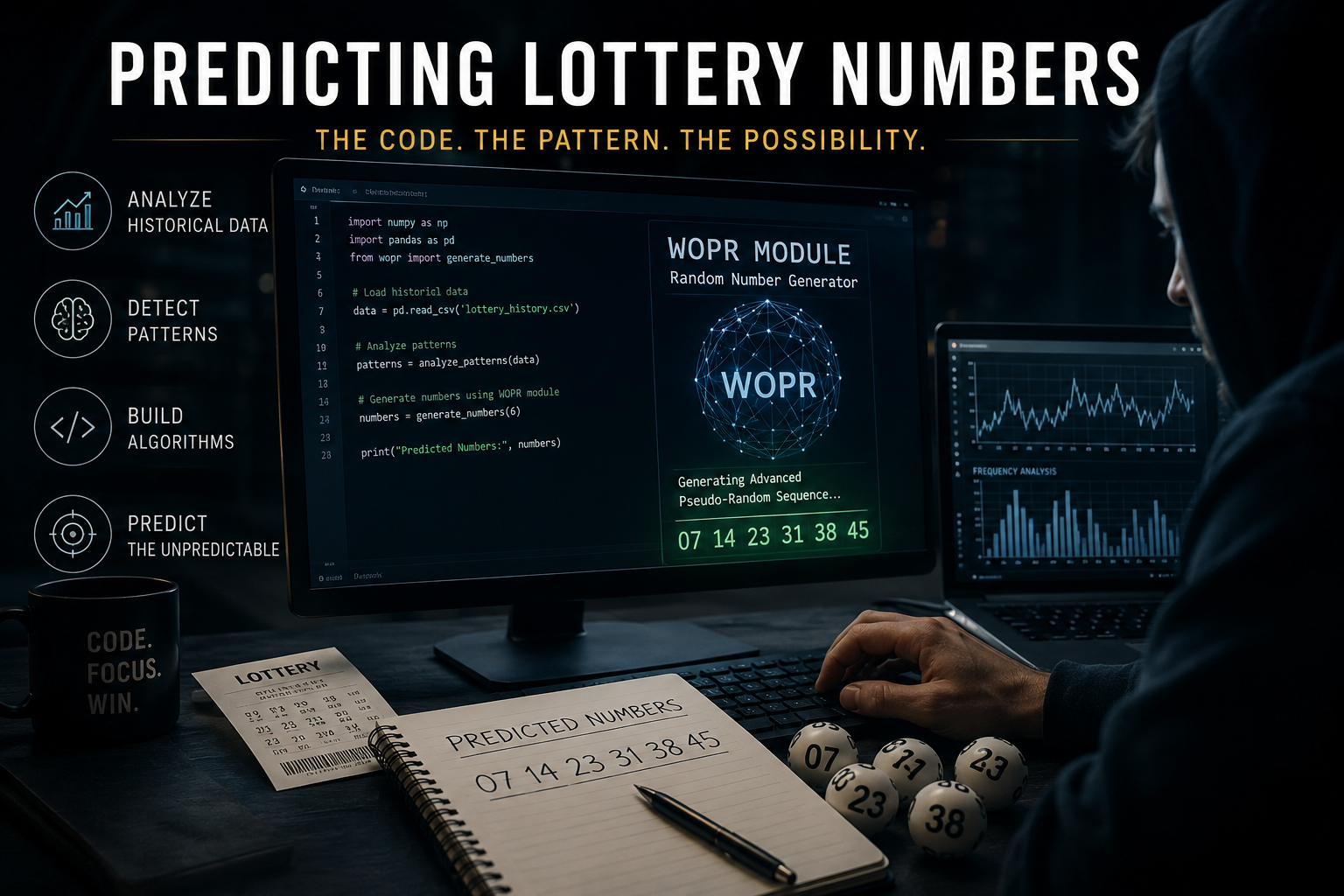
He was just another operations assistant in a mid-sized rental equipment company—one that dealt with foreign contracts, currency conversions, and a constant stream of invoices that never quite balanced. Every day felt like a loop of spreadsheets, errors, and late-night corrections.
Leave a Reply
You must be logged in to post a comment.