Keywords: Fascism, history of fascism, Benito Mussolini, Adolf Hitler, authoritarianism, extreme nationalism, World War II, Nazi Germany, totalitarianism, political ideology, democracy, propaganda, human rights
Introduction: What Is Fascism?
Fascism is a far-right authoritarian political ideology that emerged in Europe during the early 20th century. It is characterized by extreme nationalism, centralized power, strong leadership, suppression of political opposition, militarism, and control over many aspects of public life.
The history of fascism is closely connected to periods of social unrest, economic crisis, and political instability. Fascist movements gained support by promising national renewal, restoring pride, and creating order during uncertain times. However, in practice, fascist governments often restricted individual freedoms, persecuted minority groups, and contributed to some of the most destructive conflicts in modern history.
Understanding the history of fascism provides important lessons about the dangers of authoritarian rule and the importance of democratic institutions, human rights, and political freedom.
The Origins of Fascism in Europe
Europe After World War I
The roots of fascism can be traced to the aftermath of World War I (1914–1918). Many European countries experienced economic difficulties, unemployment, political instability, and social tensions after the war.
In countries such as Italy and Germany, some citizens felt frustrated with existing governments and believed that traditional political systems had failed to address national problems. This environment created opportunities for radical movements to gain influence.
Fascist leaders presented themselves as strong figures who could restore national strength, rebuild economies, and eliminate political disorder.
The Rise of Italian Fascism
Benito Mussolini and the Birth of Fascist Italy
Modern fascism first appeared in Italy under the leadership of Benito Mussolini. In 1919, Mussolini founded the Italian Fasci di Combattimento, which later became the National Fascist Party.
The word “fascism” comes from the Latin term fasces, a symbol from ancient Rome representing authority and unity. Mussolini used Roman imagery to promote the idea of rebuilding Italy as a powerful empire.
In 1922, Mussolini and his supporters organized the March on Rome, a political demonstration that pressured the Italian government. As a result, Mussolini was appointed prime minister and gradually transformed Italy into a one-party dictatorship.
The Main Principles of Fascist Ideology
1. Extreme Nationalism
A central feature of fascism is the belief that the nation is more important than individual rights or personal interests. Fascist governments often promoted ideas of national superiority and demanded complete loyalty from citizens.
2. Authoritarian Leadership
Fascism emphasizes strong leadership and concentrated political power. Leaders are often portrayed as symbols of national unity who should not be questioned.
Mussolini promoted the idea that the leader represented the will of the nation, while opposition voices were treated as threats.
3. Suppression of Democracy
Fascist movements generally reject democratic systems because they view political disagreement as weakness. Once in power, fascist governments often:
- Ban opposition parties
- Limit freedom of speech
- Control newspapers and media
- Restrict public protests
- Use state institutions to maintain power
4. Militarism and Expansion
Fascist ideology often celebrates military strength, discipline, and sacrifice. Some fascist governments pursued territorial expansion to increase national power.
Mussolini’s Italy invaded Ethiopia in 1935 as part of his goal to create a new Italian empire.
5. Propaganda and Mass Control
Propaganda played a major role in fascist governments. Through newspapers, radio, education, and public events, governments attempted to shape public opinion and create loyalty toward the state.
Fascism in Nazi Germany
Adolf Hitler and the Nazi Movement
Fascist ideas also influenced Germany during the economic and political struggles of the 1920s and 1930s. Adolf Hitler and the National Socialist German Workers’ Party (Nazi Party) gained support by promising to restore Germany’s power after its defeat in World War I.
After Hitler became chancellor in 1933, Germany was transformed into a totalitarian dictatorship. The Nazi government combined authoritarian rule with racist and antisemitic beliefs, leading to widespread persecution and genocide.
The Holocaust
One of the most horrific consequences of Nazi rule was the Holocaust, during which approximately six million Jews were murdered. Millions of other victims, including Roma people, disabled individuals, political opponents, prisoners of war, and others, were also persecuted and killed.
The Holocaust remains one of history’s strongest warnings about the consequences of hatred, discrimination, and unchecked state power.
Fascism and World War II
The Expansion of Fascist Powers
During the 1930s, fascist governments expanded their influence. Germany, Italy, and Japan formed the Axis Powers, which challenged the existing international order.
Germany’s invasion of Poland in 1939 marked the beginning of World War II in Europe. The conflict eventually involved countries around the world and resulted in tens of millions of deaths.
The Defeat of Fascism
In 1945, the Allied Powers defeated Nazi Germany and its allies. Mussolini’s government collapsed, and Hitler’s regime ended with Germany’s surrender.
After the war, international organizations and human rights agreements were created to prevent similar atrocities from happening again.
The Legacy of Fascism
Political and Social Consequences
The legacy of fascism continues to influence politics, history, and society. The rise of fascist governments demonstrated how economic hardship, propaganda, and fear can be used to weaken democratic systems.
The consequences included:
- Destruction caused by World War II
- Mass persecution and genocide
- Suppression of freedom and civil rights
- Long-term political instability
Lessons From History
The study of fascism highlights the importance of:
- Protecting freedom of expression
- Defending democratic institutions
- Challenging discrimination and hatred
- Holding leaders accountable
- Promoting human rights and equality
Fascism in Modern Discussions
Today, historians use the term “fascism” to describe specific political movements with characteristics such as authoritarian leadership, extreme nationalism, and rejection of democratic principles.
Because the word is sometimes used broadly in political debates, scholars generally examine movements carefully by looking at their beliefs, actions, and historical context.
Conclusion: Why Understanding Fascism Matters
The history of fascism is a powerful reminder of how political movements built around extreme nationalism, authoritarianism, and intolerance can transform societies and lead to devastating consequences.
Studying fascism helps modern societies recognize threats to democracy and understand the importance of protecting human rights, freedom, and equality. The lessons of the 20th century remain relevant as nations continue to face challenges involving political extremism, division, and the preservation of democratic values.
SEO Keywords: history of fascism, what is fascism, rise of fascism, Mussolini fascism, Hitler and fascism, fascism in World War II, Nazi Germany history, authoritarian governments, political extremism, democracy and human rights.
I’ve expanded it into a long-form SEO history article with searchable headings and keywords suitable for a blog, educational website, or history publication.
Blog Castle Changing of the Guard dea drink England food football Heart Heart Foundation Heart process Horse Races Invest Maid Marian medication Merry Men Premier League 26/27 Python Horse Program Python Horse Tracker Robin Hood royal landmarks UK Sheriff of Nottingham Sherwood Forest soccer Thca visiting windsor castle WaterProcure.com Win Windsor Windsor castle blog Windsor Castle walk windsor castle windsor Windsor Drinks Windsor Great Park Windsor Horse Windsor Horse Races Windsor hungry Windsor Long Walk Windsor tourism Windsor travel blog Women’s Football Women’s Super League World Cup World Cup 2026 WSL Results
-
Fascism: A Detailed History of Its Origins, Ideology, Rise, and Global Impact
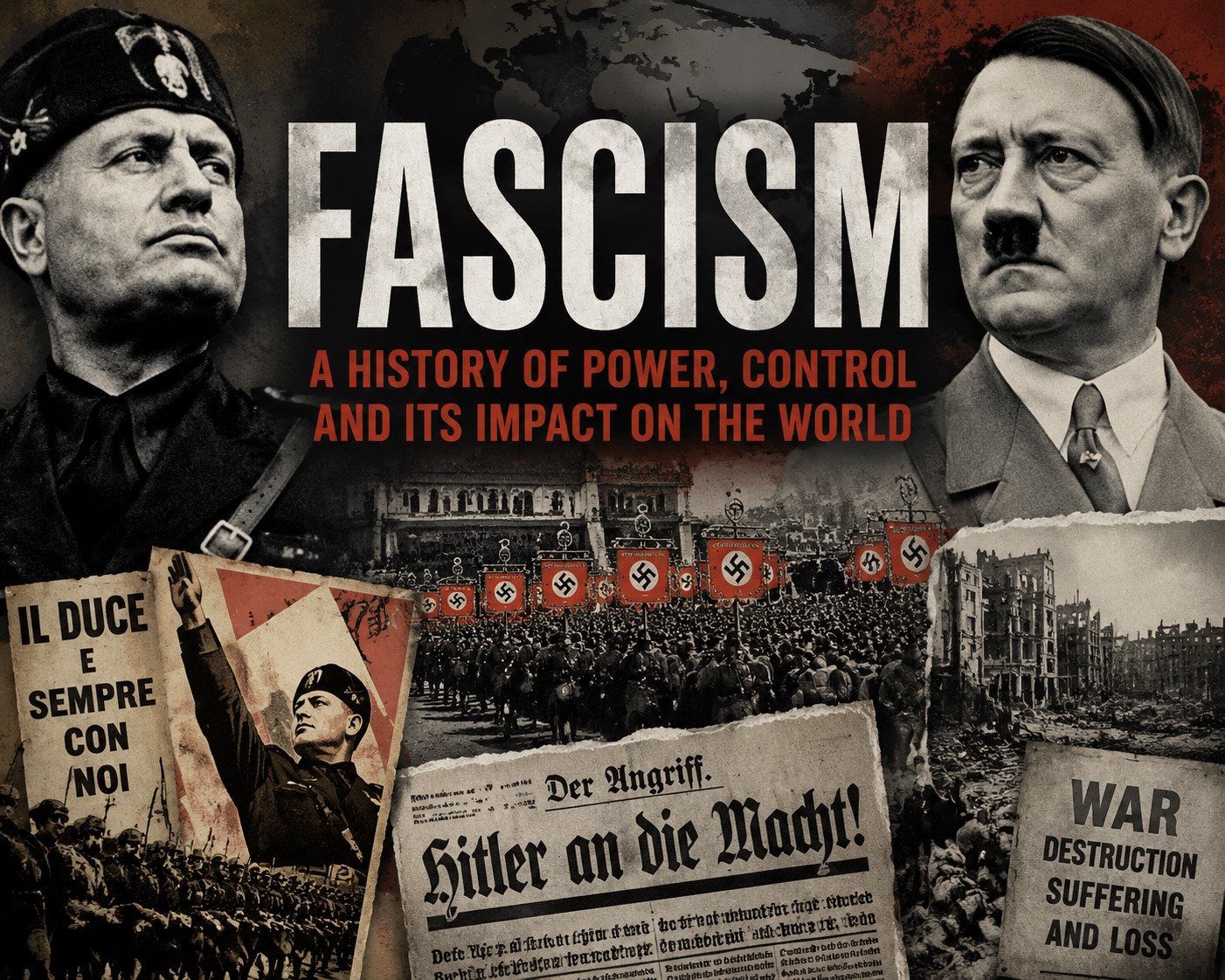
The history of fascism is a powerful reminder of how political movements built around extreme nationalism, authoritarianism, and intolerance can transform societies and lead to devastating consequences.

Leave a Reply
You must be logged in to post a comment.