On the edge of a sleepy valley sat the world’s most optimistic butterfly farm, run by a woman named Marla who insisted the place wasn’t a farm at all.
“It’s a life launchpad,” she told every visitor, arms wide, as if she were about to hug the entire sky. “Cocoons in, miracles out. Nothing else on Earth feels like this. Not cake. Not puppies. Not even finding money in an old coat.”
She wasn’t entirely wrong.
Every morning the greenhouse woke up like a soft explosion. Rows of pale green cocoons hung from mesh racks, twitching with private drama. Some wriggled like they were practicing dance moves. One particularly dramatic chrysalis kept thumping against its neighbor as if demanding better accommodations.
“Patience,” Marla would coo, walking the aisles with a watering can and a ridiculous straw hat covered in tiny embroidered wings. “You’re becoming. Becoming is messy. Becoming is glorious. Also, please stop headbutting Gerald. Gerald is sensitive.”
Days later—always days later, never on a convenient schedule—the first crack would appear.
A tiny seam. A hesitant split. Then a crumpled, damp creature would shove its way into the world looking like a wet sock that had opinions. It would hang there, trembling, pumping fluid into crumpled wings while Marla whispered encouragements that sounded suspiciously like sports commentary.
“That’s it, little tank! Fill those sails! You’re doing amazing, sweetie. Ignore the fact that you currently resemble a confused raisin with ambitions.”
And then—oh, then—the wings would open.
Not politely. Not gradually. They would unfurl like someone had just remembered they owned a pair of stained-glass windows and decided to show off. Colors no paint could copy. Patterns that looked designed by a joyful lunatic. One butterfly emerged with wings that seemed to say, in perfect butterfly body language, “I spent a week in a sleeping bag and I look this good. What’s your excuse?”
The first flight was never graceful. It was a drunken stagger through the air, a series of accidental loops and midair corrections that made the other cocoons rustle with what could only be described as peer pressure. But once they caught the invisible currents inside the greenhouse, something shifted.
They flew.
Not just flapping. Living in three dimensions. Circling each other, landing on Marla’s ridiculous hat, bouncing off the glass like tiny stained-glass pinballs who had just discovered joy had mass and velocity. The air filled with the softest percussion—wingbeats like applause from a very polite audience made of silk.
Marla would stand in the middle of it all, eyes shining, and laugh the specific laugh of someone watching life invent itself in real time.
“There it is,” she’d say, voice thick. “That feeling. You can’t bottle it. You can’t schedule it. One minute you’ve got a fancy leaf burrito full of goo, and days later you’ve got a flying jewel that doesn’t even know what gravity is supposed to mean. It’s ridiculous. It’s perfect. It’s unlike anything else—because nothing else starts as a snack for birds and ends up as living confetti that makes your chest hurt in the best way.”
Visitors always went quiet at that part. Even the sarcastic ones. Because she was right. Watching a creature finish becoming, then immediately waste its brand-new wings on goofy aerial victory laps, scratched an itch nothing else could reach. It was hope with better branding. It was proof that waiting could be worth it. It was also, occasionally, very funny when a freshly minted butterfly crash-landed in someone’s hair and refused to leave, as if it had decided that particular scalp was the new homeland.
By afternoon the greenhouse glowed with motion. Hundreds of them—orange commas, blue commas, yellow exclamation marks—writing invisible sentences across the air. Marla moved among them like a proud, slightly unhinged stage mother, murmuring, “Look at you. You were soup last week. Soup. And now you’re out here making the sky look underdressed.”
At closing time she would dim the lights just enough that the butterflies settled into living mosaics on the leaves and mesh. She’d lock up, still smiling the soft, stunned smile of someone who had witnessed the private joke of the universe again.
Outside, the world went on being ordinary.
Inside, for a few more days, more cocoons waited their turn—twitching, dreaming, preparing to crack open and remind anyone lucky enough to watch that life doesn’t just continue.
Sometimes it launches.
And the feeling of watching it?
Utterly, stupidly, wonderfully unlike any other.
It’s not possible to name every butterfly in existence—there are over 17,500 known species worldwide, and scientists are still discovering more. What I can do is give you a representative list of well-known butterflies from different families, each with a clear description, and then create your custom made-up butterfly at the end.
🦋 Butterfly Explorer
Discover butterfly species from around the world
🦋 Common & Notable Butterflies
Monarch (Danaus plexippus)
A bright orange butterfly with black veins and white spots. Famous for its long-distance migration across North America. Caterpillars feed on milkweed, making them toxic to predators.
Swallowtail (Family: Papilionidae)
Large, elegant butterflies with tail-like extensions on their hindwings. Often yellow and black, though many species exist worldwide with striking patterns.
Painted Lady (Vanessa cardui)
A widespread species found on almost every continent. Orange, brown, and black with eye spots. Known for irregular migration patterns.
Blue Morpho (Morpho peleides)
A tropical butterfly with iridescent blue wings that shimmer in sunlight. The underside is brown with eye spots for camouflage.
Red Admiral (Vanessa atalanta)
Black wings with bold red-orange bands and white spots. Often seen in gardens, especially in Europe and North America.
Small Tortoiseshell (Aglais urticae)
Bright orange with black and blue markings. Common in the UK. Larvae feed on nettles.
Peacock Butterfly (Aglais io)
Famous for its large eye spots that resemble a peacock’s feathers, used to scare predators.
Glasswing (Greta oto)
Has transparent wings, making it nearly invisible in flight. Found in Central and South America.
Common Blue (Polyommatus icarus)
Small butterfly common in Europe. Males are bright blue; females are brown with orange spots.
Zebra Longwing (Heliconius charithonia)
Black wings with long white stripes. Known for slow, graceful flight and communal roosting.
🌍 Why there are so many
Butterflies belong to the order Lepidoptera, and their diversity comes from:
- Adaptation to different climates
- Plant specialization (many species rely on specific plants)
- Evolution over millions of years
✨ 🦋 Made-Up Butterfly
Simon Ben Gamble Flutterwing (Fictitious Species)
⚠️ This butterfly is completely made up
A rare and mythical butterfly said to appear at sunrise. Its wings shimmer with gold, electric blue, and emerald green, changing colour depending on the angle of light. The edges of its wings sparkle like tiny stars, and it leaves behind a faint glowing trail as it flies. It is said to feed on morning dew and only appears in peaceful places, symbolising luck and creativity.
If you want, I can:
🦋
🦋
- Fantasy & Adventure (1)
- Finance & Investing (1)
- Football (3)
- Premier League 26/27 (2)
- Robin Hood (1)
- Windsor Games (1)
- WindsorCastle.info (137)
-
The Wonderful, Slightly Ridiculous Life Factory
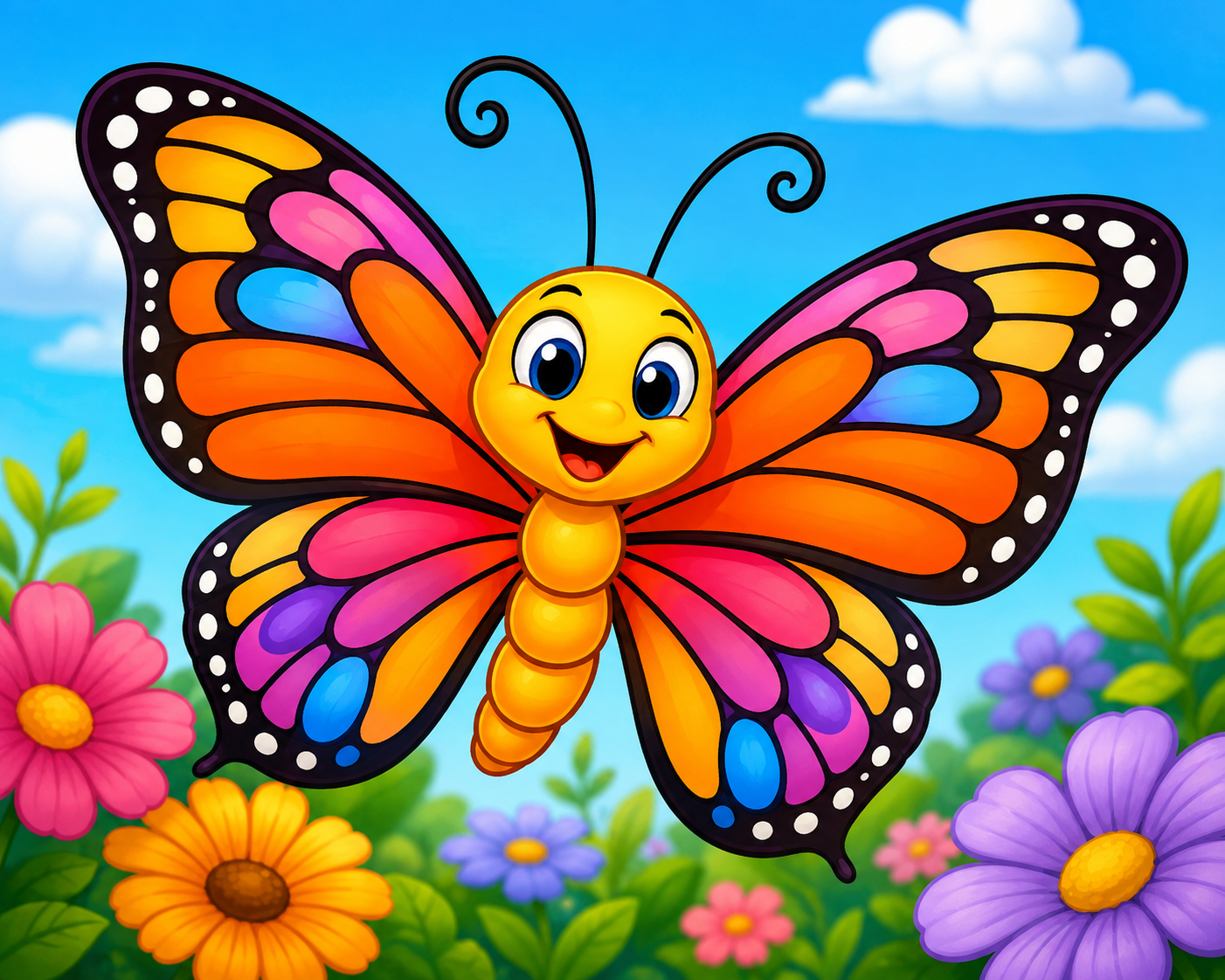
It’s not possible to name every butterfly in existence—there are over 17,500 known species worldwide, and scientists are still discovering more. What I can do is give you a representative list of well-known butterflies from different families, each with a clear description, and then create your custom made-up butterfly at the end.
Leave a Reply
You must be logged in to post a comment.