Fictional mystery notice: This article is an original work of paranormal fiction. The reported time slips, characters, interviews, diary extracts and investigation are invented. The historical background about Windsor Castle is based on the sources listed at the end; no real paranormal incident is claimed.
What if a familiar path through the grounds of Windsor Castle could briefly lead a visitor into another century? In this fictional investigation, three witnesses describe stepping into scenes from different periods of English history—then returning to the present with minutes missing from their watches and memories that refuse to agree.

Abstract: the missing eleven minutes
The fictional case file begins on a misty autumn afternoon. A visitor walking near the historic castle grounds checks the time at 3.14 pm. After rounding a bend, he hears horses, cart wheels and the distant ring of a blacksmith’s hammer. The modern path appears to have become a muddy track, and people in old-fashioned clothing pass without acknowledging him.
When the scene fades, his phone shows 3.25 pm. He remembers eleven minutes of vivid detail, but his companion—who never left the path—insists that only moments passed.
The investigator names the case WTA-03: The Windsor Time Anomaly. The question is not whether the story proves time travel; it is how the witnesses’ accounts, the setting and the missing time might fit together inside a fictional mystery.
Historical setting: a castle built across centuries
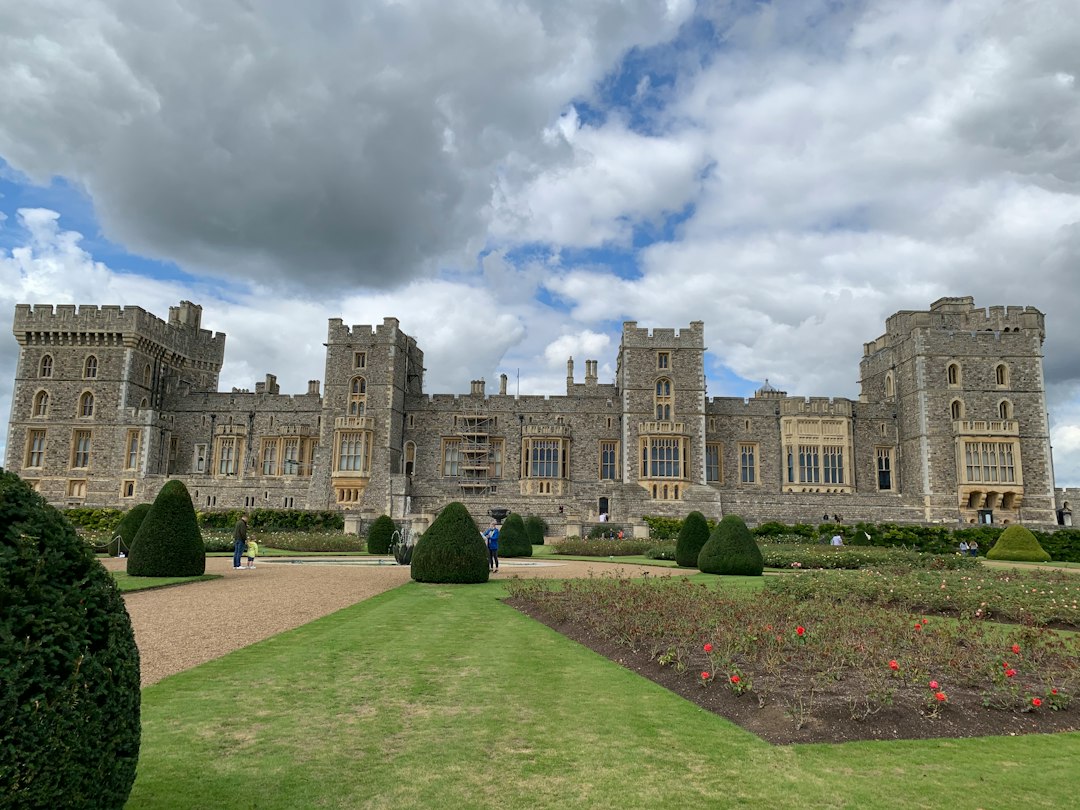
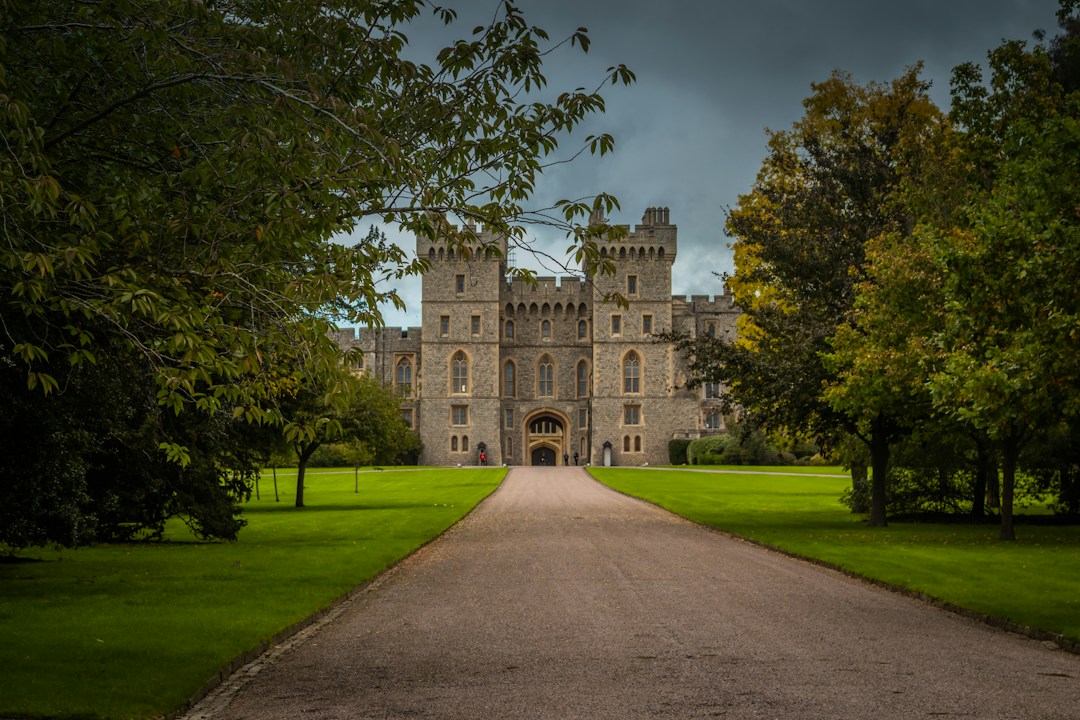
Windsor Castle began under William the Conqueror in the late eleventh century and was expanded and transformed by successive monarchs. Its long history makes it an evocative setting for a story in which different eras seem to overlap. The Royal Collection Trust records how the castle’s use and visitor experience changed over centuries, while Historic England describes the surviving layers of the castle complex and its archaeological remains.
The real history provides the backdrop; the time anomaly itself is invented.

The three fictional witnesses
Witness One: the horse-drawn carriage
“I heard the wheels before I saw the road,” says the first fictional witness, Eleanor Vale, a history teacher visiting Windsor. “The sound came from behind me, but when I turned, the path looked different. There were no modern signs, no barriers—just a carriage and two men arguing about a delivery.”
Vale says the scene lasted long enough for her to notice a brass badge on a man’s coat. When she looked down to write a note, the old scene disappeared. Her phone had advanced eleven minutes.
Witness Two: the soldier in an unfamiliar uniform
A second fictional witness, Daniel Reed, describes seeing a solitary soldier near a wall. The man asks whether the King has returned, then looks past Reed as if he can see a crowd that is not there. Reed blinks; the soldier is gone. The witness cannot confidently identify the uniform, and the story deliberately leaves the historical period uncertain.
Witness Three: the woman with the blue ribbon
The final account comes from a fictional grounds researcher who notices a woman in a long dress standing perfectly still in a patch of fog. A blue ribbon is tied around her wrist. She asks, “Has the bell sounded yet?” Before the researcher can answer, a church bell rings in the distance. The woman vanishes, leaving no footprints that the fictional investigator can reliably distinguish from the surrounding ground.
Methodology: how the fictional investigation proceeds
The investigator treats each account as a lead rather than proof. The fictional protocol has five steps:
- Record testimony separately: each witness writes down their account before reading the others’ statements.
- Compare the timelines: clocks, phone logs and remembered events are placed on a single timeline, noting uncertainty.
- Check the historical details: clothing, transport and vocabulary are compared with reputable historical references, without assuming that a match proves time travel.
- Consider ordinary explanations: mist, fatigue, distraction, mistaken timekeeping, memory reconstruction and misleading environmental sounds are considered.
- Preserve the unexplained details: the blue ribbon and the repeated question about the bell remain unresolved clues for the story’s final act.
Findings from the invented case file
The fictional investigator identifies three similarities: every witness reports an abrupt change in the surroundings; each remembers a sound before the apparent time shift; and all three disagree about how long the experience lasted. These common elements make the reports interesting within the narrative, but they do not establish that a time anomaly occurred.
The accounts also contain differences. One witness remembers a carriage, another a soldier, and the third a woman with a ribbon. The investigator cannot determine whether the differences reflect separate experiences, memory errors or a story being shaped unconsciously by shared expectations.
The clue hidden in the bell
When the investigator revisits the notes, a detail stands out: all three witnesses refer to a bell, though none agrees on its sound. The carriage witness heard a single metallic strike; the soldier witness remembers a distant peal; the woman with the blue ribbon asked whether “the bell” had sounded before any ringing was reported.
In the final fictional diary entry, the investigator finds a handwritten sentence beside a sketch of the castle: “Do not follow the bell. Follow the silence after it.” The handwriting appears to match the investigator’s own—but the page is dated the following day.
“The strangest part was not seeing another century. It was returning to my own and finding that one small detail had arrived before I had.”
— From the fictional WTA-03 case notes
Possible explanations—and the unresolved mystery
- Memory and perception: fog, expectation and brief distraction could shape how a scene is interpreted or remembered.
- Timekeeping error: different clocks or delayed phone updates could create apparent discrepancies.
- Historical imagination: a place with a long, well-documented past can prompt vivid mental reconstructions.
- Paranormal interpretation: within the fiction, the witnesses wonder whether they glimpsed another period—but the story supplies no verifiable proof.
The investigator closes the file without a definitive answer. On the next visit, the path appears entirely ordinary. Yet the following morning, a new note is found inside the case folder: “You missed the first bell.” No one admits writing it.
Conclusion
The Windsor Time Anomaly is a historical mystery about memory, place and the possibility—within fiction—that time might not always feel as orderly as a clock suggests. Windsor Castle’s genuine centuries of history give the narrative its atmosphere, while the witnesses, time slips and case file remain entirely imaginary.
The mystery is left open for readers to decide whether the clues suggest a supernatural event, a chain of misunderstandings or an investigator who has become part of their own case.
Sources and further reading
- Royal Collection Trust — Visiting Windsor Castle through the centuries. Historical background on how visitors experienced the castle in different eras.
- Royal Collection Trust — Who built Windsor Castle?. Background on the castle’s origins and development.
- Historic England — Windsor Castle listing. Architectural and archaeological context for the historic site.
Image credits
Castle imagery sourced from Unsplash. Featured image photographer: Tobias Rademacher, photographer profile. In-article image credits and source links are provided beneath each image where the photographer was identified. Images are atmospheric illustrations and do not depict paranormal events.
Written for WindsorCastle.info. Historical mystery and paranormal fiction; all witnesses, interviews, time anomalies and case notes are invented.