Sugar Soap and Bathing: An Important Difference
Sugar soap is a familiar product in British homes, but there is an important point to understand before putting it anywhere near a bath: traditional household sugar soap is a cleaning and decorating product, not a bathing soap. Products sold as sugar soap are commonly intended for removing grease, dirt and grime from walls, woodwork and other household surfaces, and for preparing surfaces before painting. They should be used according to their label instructions and should not be added to bath water unless the manufacturer specifically says the product is suitable for bathing.
Why Is Sugar Soap So Popular?
In the UK, sugar soap has become popular because it is an effective, inexpensive household cleaner. It is particularly well known among decorators because it can help remove dirt, grease and residue before painting. Current retail listings also show liquid sprays and concentrated versions being sold for household cleaning and decorating.
The name can be confusing because the product does not mean ordinary table sugar dissolved in water. It is a cleaning formulation, and the exact ingredients vary between products. Always read the label and follow the manufacturer’s directions.
Can You Use Sugar Soap in a Bath?
No—not ordinary household/decorating sugar soap. It is not a bath product simply because it contains the words “sugar soap”. Using a household cleaning product on the skin could cause irritation, particularly for people with sensitive skin.
If you are looking for a gentle bathing product, choose something specifically labelled as a body wash, bath soap, bath soak or bath salt. This is an important distinction when shopping.
What Are Epsom Salts?
Epsom salt is magnesium sulfate. It has been used for generations in warm baths and foot soaks. Many people enjoy an Epsom salt bath as part of a relaxing evening or after exercise.
The evidence needs a little explanation. Warm water itself can be soothing, while claims that large amounts of magnesium are absorbed through the skin during an Epsom salt bath have not been firmly established by clinical research. There are no definitive studies demonstrating that enough magnesium is absorbed through the skin to correct a magnesium deficiency.
Why Do People Use Epsom Salts?
- Relaxation: A warm bath can provide a simple opportunity to unwind.
- After exercise: Many people use Epsom salts in a warm soak when their muscles feel tired or achy.
- A traditional bath ritual: The crystals dissolve in warm water and can make an ordinary bath feel more like a spa treatment.
- Simple self-care: A 10–15 minute bath can be an easy way to slow down at the end of a busy day.
These benefits should be viewed mainly as comfort and relaxation rather than a proven medical treatment. The temperature of the bath itself may contribute to comfort.
How to Have an Epsom Salt Bath
Choose a product labelled for bathing and follow its package directions. A commonly described approach is around 300g (about 1¼ cups) in a full warm bath, soaking for about 15 minutes, while making sure the water is not dangerously hot.
After bathing, gently dry your skin. If your skin becomes dry or irritated, stop using the product and consider a fragrance-free moisturiser.
Where Can You Buy Sugar Soap and Epsom Salts?
For household sugar soap, UK retailers such as Wilko currently list sugar-soap products, including trigger sprays and concentrated cleaners. Availability and prices can change, so check the product description and label before buying.
For a bath, look specifically for Epsom salts or magnesium sulfate labelled for bathing, rather than household sugar soap. Pharmacies, supermarkets, health-and-beauty retailers and online shops commonly stock bath salts.
Safety First
Do not drink Epsom salts as a “detox” treatment. Taking Epsom salt orally can cause significant diarrhoea and other problems. Epsom salt baths should also be avoided over severe skin inflammation, skin infections, open wounds or severe burns.
If you have kidney disease, are pregnant, take medicines that affect magnesium, or have a medical condition for which you are unsure about using bath salts, ask a healthcare professional before use.
The Simple Takeaway
Sugar soap is for cleaning; Epsom salts are a bath-soak product. The two should not be confused. Sugar soap remains popular because it is useful for household cleaning and decorating, while Epsom salts are popular as part of a relaxing bath routine. Choosing the correct product for the correct purpose is the safest approach.
SEO Description: Learn the difference between household sugar soap and bath products, why sugar soap is popular, and how Epsom salts are used in relaxing baths.
SEO Keywords: sugar soap, sugar soap UK, sugar soap uses, sugar soap bath, Epsom salts, Epsom salt bath, magnesium sulfate, bath salts, relaxing bath, UK bath products.
Categories: Health & Wellbeing, Home & Garden, Lifestyle
Tags: Sugar Soap, Epsom Salts, Bath, Bath Salts, Home Cleaning, Home Care, Wellbeing, Relaxation, Magnesium Sulfate, UK Shopping
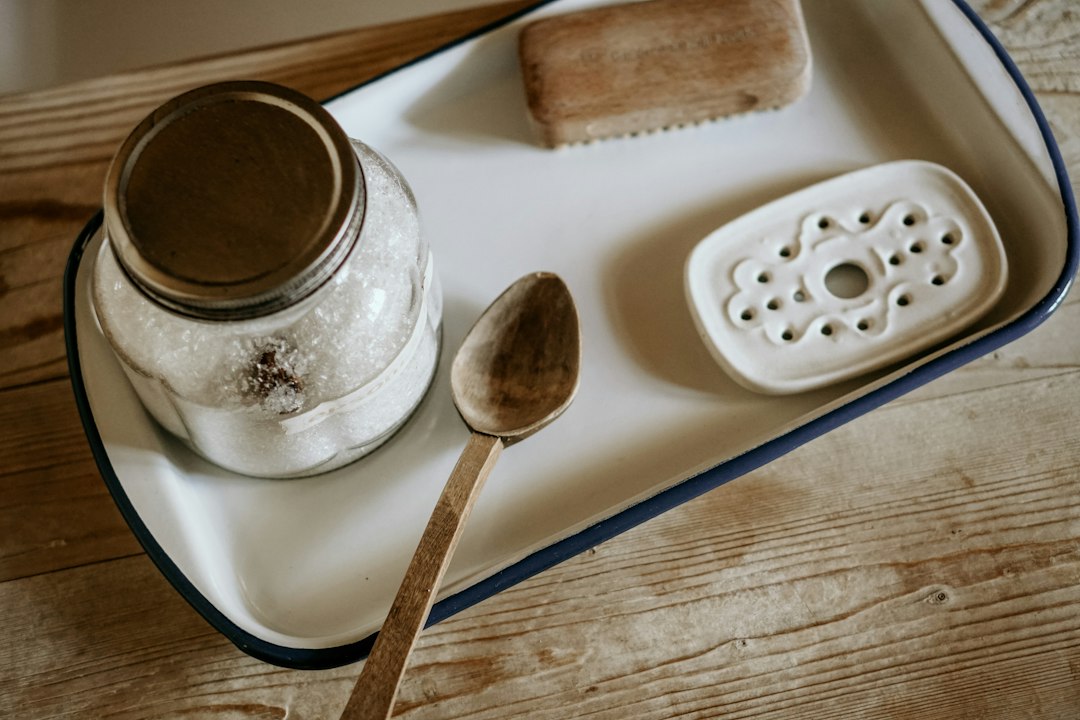
Image credit: Forté Foundry via Unsplash.
Sources: Wilko product information; Cleveland Clinic guidance on Epsom salt and bathing. Product availability, prices and health guidance can change.
Leave a Reply
You must be logged in to post a comment.