Category: Royal History

  • What Can Pint and Half-Pint Bottles Be Used For?
    What Can Pint and Half-Pint Bottles Be Used For?

    Discover practical household uses, garden decorations, craft projects and environmentally responsible ways to make the most of glass bottles.

    Glass bottles come in many shapes, sizes and colours. Pint bottles and half-pint bottles can be found in homes, kitchens, pubs, restaurants and recycling collections. Before sending an empty bottle for recycling, it may be worth considering whether it has a useful second life.

    From miniature flower vases to craft projects, storage ideas and decorative lighting, these everyday containers can inspire a range of creative activities.

    1. Flower vases and table decorations

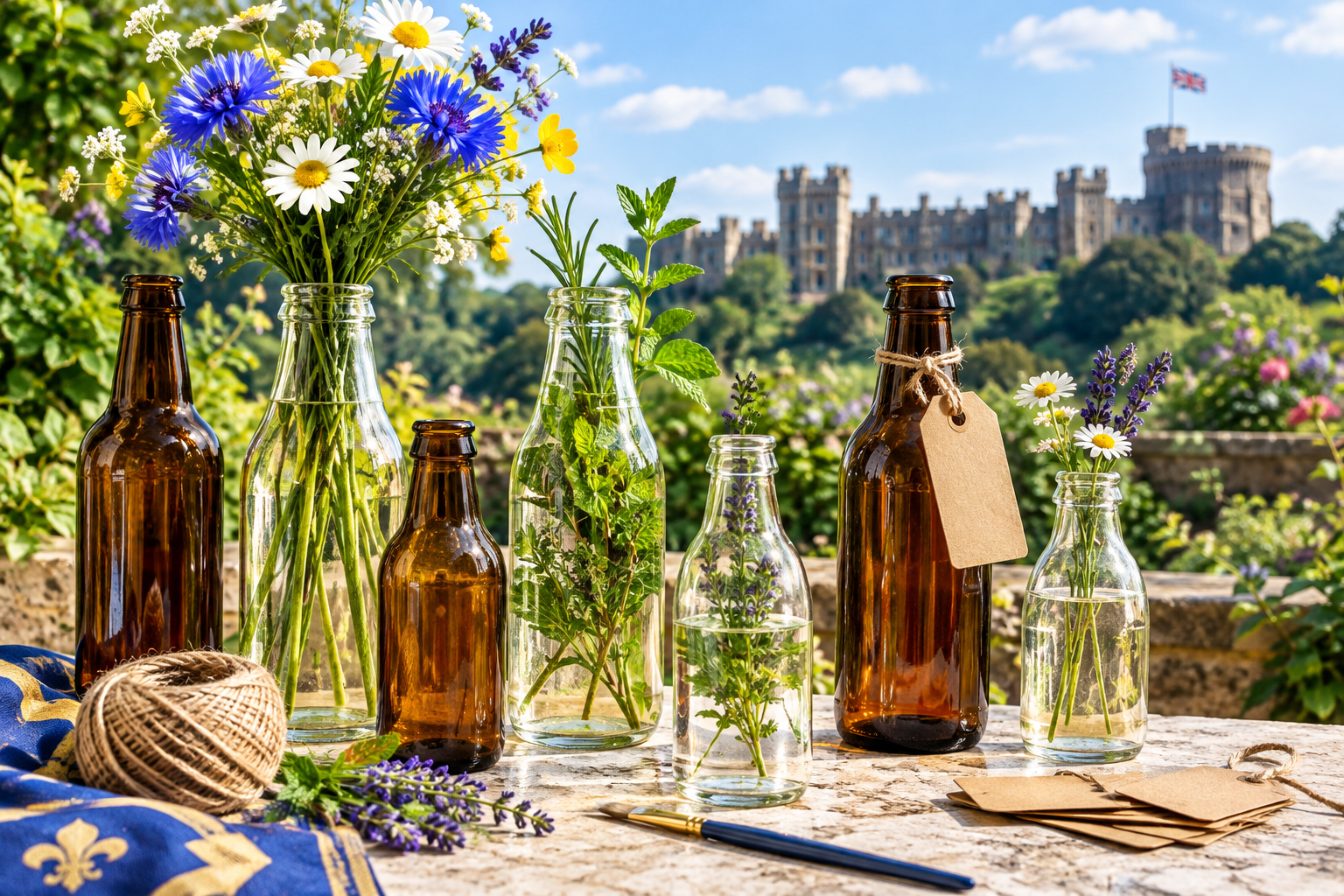
    One of the simplest ways to reuse a bottle is to turn it into a small flower vase.

    • Pint bottles: Display a few garden flowers, decorative branches or seasonal arrangements.
    • Half-pint bottles: Hold single stems, small wildflower bunches or miniature floral arrangements.
    • Coloured bottles: Brown, green and blue glass can add colour to a windowsill, dining table or garden display.

    For a royal blue-and-gold theme, decorate the outside with gold ribbon, blue fabric or a removable decorative label. These can make attractive table decorations for parties, weddings and special occasions.

    “A simple glass bottle can become a charming decorative feature with a little imagination.”

    2. Herb growing and garden projects

    Clean bottles can inspire small gardening projects, especially where space is limited.

    Possible uses include:

    • Displaying freshly cut herbs in water for short periods.
    • Holding cuttings while roots develop, where the plant is suitable for water propagation.
    • Creating a collection of small vases for herbs and flowers.
    • Displaying dried grasses and ornamental stems.
    • Organising plant labels and lightweight gardening accessories nearby.

    Important: Glass bottles are not automatically suitable planters. Their narrow openings can make planting and drainage difficult. For plants that need soil, use a purpose-made planter or a suitable container with drainage.

    Keep glass bottles stable, out of walkways and away from places where they could fall or break.

    3. Homemade decorations and craft projects

    Empty pint and half-pint bottles can be used for a variety of craft projects.

    Ideas for adults and supervised family activities

    • Painted bottle decorations: Use suitable glass paint to create seasonal patterns.
    • Decorative centrepieces: Combine clean bottles with ribbons, artificial flowers and paper tags.
    • Wedding table displays: Give each bottle a number or table name.
    • Christmas decorations: Add battery-operated lights designed for decorative use.
    • Miniature message bottles: Place a rolled-up note inside a clean, dry bottle for a novelty gift.

    Avoid cutting or drilling glass at home unless you have the proper equipment, training and protective measures. Sharp edges can cause serious injuries.

    4. Storage for small household items

    Some bottles may be useful for storing non-food items, provided the openings are suitable.

    Examples include:

    • Decorative beads and craft materials.
    • Small quantities of dry decorative items.
    • Paper labels, where they fit.
    • Coloured sand or similar display materials.
    • Small craft components that need to be kept together.

    Keep bottles clearly labelled and out of reach of young children. Never use a drinks bottle to store chemicals, cleaning products or anything that could be mistaken for a beverage.

    5. Bottle lighting and lantern decorations

    Glass bottles can form part of attractive lighting displays.

    For example, a clean bottle can hold a purpose-made, battery-operated LED light string, creating a decorative glow for a shelf or covered outdoor display.

    Choose lights intended for the proposed use, follow the manufacturer’s instructions and keep batteries and electrical components dry.

    Safety tip: Do not put a burning candle inside an ordinary drinks bottle. Heat can cause damage, and an unsuitable bottle may crack or break. Never leave decorative lighting unattended.

    6. Creative uses for pubs, cafés and events

    Pubs, cafés and event organisers may find small bottles useful for non-food decorative purposes.

    Possible applications include:

    • Table decorations.
    • Flower displays at private events.
    • Displaying themed colours for celebrations.
    • Craft workshops.
    • Reusable-looking decorative props for photographs.
    • Display arrangements for heritage, food and drink themed exhibitions.

    Businesses should distinguish decorative reuse from commercial refilling. A bottle that looks clean is not necessarily suitable for filling with drinks again.

    British Glass explains that many glass containers are designed for single use and are not built to withstand the additional stresses of repeated commercial reuse. Containers intended for refill systems should be specifically designed and tested for that purpose.

    Source: British Glass — Statement on the Unsuitability of Single-Use Containers for Reuse.

    7. Can pint and half-pint bottles be used for drinks?

    This depends on the bottle’s original purpose, condition and design.

    A bottle originally intended for a particular beverage should not automatically be treated as a safe, refillable drinks container. Chips, cracks, damaged necks, unsuitable closures and contamination can all create problems.

    For drinking water, homemade drinks or other food and drink storage, use containers intended for that purpose and follow appropriate cleaning and food-safety guidance. For commercial filling, use packaging designed and validated for the intended product and filling process.

    Never use an ordinary glass bottle for hot liquids unless its manufacturer specifically confirms that it is suitable for the temperature involved.

    8. Reuse or recycle: which is best?

    Reuse can be helpful when an item has a practical purpose and can be used safely. However, reuse is not appropriate for every bottle.

    The environmental benefits depend on the bottle’s design, how it is used, how far it is transported and whether cleaning or other processing is required.

    The Waste and Resources Action Programme and local waste authorities provide guidance on reducing waste and recycling glass. In England, government guidance also explains the household recycling arrangements introduced from 31 March 2026.

    Useful resources:

    Check your local council’s instructions before placing bottles in a recycling collection. Ordinary glass bottles and jars are generally recyclable, but drinking glasses, mirrors and heat-resistant cookware may require different disposal arrangements.

    9. A simple project to try at home

    Create a miniature bottle garden display

    You will need:

    • One clean, intact pint bottle.
    • One clean, intact half-pint bottle.
    • A few fresh flowers or suitable decorative stems.
    • Water, if using fresh flowers.
    • Optional blue-and-gold ribbon or removable tags.

    Instructions:

    1. Inspect both bottles carefully and reject any with chips or cracks.
    2. Wash and rinse them thoroughly.
    3. Fill each with an appropriate amount of water if using fresh flowers.
    4. Arrange a small flower display in each bottle.
    5. Add ribbon or a decorative tag without obstructing the bottle opening.
    6. Place the bottles on a stable surface away from edges and busy walkways.

    The result is a simple, inexpensive display for a windowsill, desk, dining table or garden room.

    Conclusion: Small Bottles, Big Possibilities

    Pint and half-pint bottles can offer plenty of creative possibilities. They can become flower vases, decorative centrepieces, craft materials and display pieces, helping people make thoughtful use of everyday objects.

    The key is to choose a suitable purpose, inspect the glass carefully and avoid uses for which the original container was not designed.

    “The best reuse project is one that is useful, safe and makes thoughtful use of the materials already available.”

    For more lifestyle, home, garden and sustainability ideas, continue exploring WindsorCastle.info.

    Article prepared for WindsorCastle.info.

    Recommended source links

    These are relevant reference sources for the article. They provide background and guidance; they are not endorsements of every craft idea described above.

    Practical suggestions for reusing bottles and jars, including home decorations and garden uses.

    Important safety information about single-use bottles versus containers designed for repeated commercial use.

    Official information about household recycling requirements in England.

    Editorial note: The article is a draft ready for review and copying into WordPress. It has not been published to WindsorCastle.info. The external links are supplied as reference resources; their continued availability should be checked before publication.

    2026 Technology (3) AI (4) Artificial Intelligence (3) Blog (98) Castle (104) Cybersecurity (1) dea (80) Digital Assistants (1) drink (91) England (5) Eton College (2) Eton Walkway (2) Fantasy Adventure (1) food (88) football (6) Future Technology (2) medication (89) Nasdaq (1) Prediction (3) Premier League 26/27 (5) river thames (2) royal landmarks UK (2) scenic walks England (2) Science Fiction (1) soccer (4) Space Adventure (1) Technology (2) Technology Stocks (1) Thca (2) UK walking routes (2) visiting windsor castle (3) Windsor (99) Windsor 2026 (2) Windsor Castle (1) Windsor castle blog (105) Windsor Castle walk (3) Windsor Drinks (97) Windsor Events (2) Windsor Great Park (3) Windsor hungry (92) Windsor Long Walk (3) Windsor tourism (3) Windsor travel blog (3) World Cup (3) World Cup 2026 (2)

  • Windsor on Film: Famous Movies and Television Productions Made in the Royal Borough
    Windsor on Film: Famous Movies and Television Productions Made in the Royal Borough

    Discover the real-life locations behind British cinema, Hammer Horror, Harry Potter, James Bond and some of television’s best-loved productions.

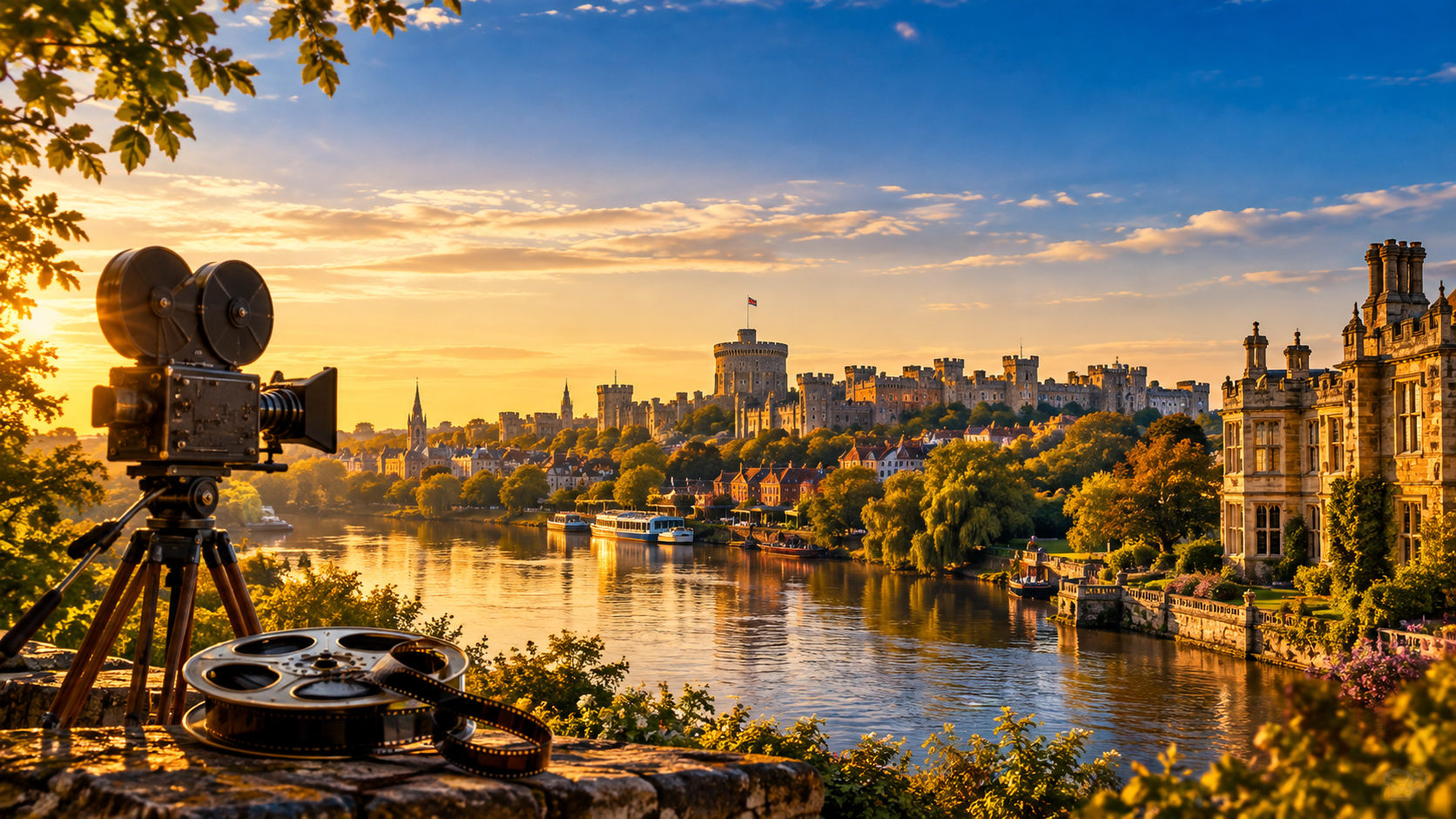
    Windsor is famous around the world for its historic castle, royal traditions and beautiful countryside. Yet the surrounding area has another fascinating story to tell: it has provided the backdrop for films, television dramas, comedies and fantasy adventures enjoyed by audiences across the globe.

    From the atmospheric buildings of Bray to the sweeping landscapes of Windsor Great Park, the Royal Borough of Windsor and Maidenhead offers film enthusiasts plenty to discover.

    Whether you love classic British cinema, supernatural adventures, period dramas or modern blockbusters, you may be surprised by how many familiar productions have connections with this part of Berkshire.

    1. Bray Film Studios: A home of British horror

    One of the most important names in the area’s film history is Bray Film Studios, situated between Windsor and Maidenhead.

    The studios became closely associated with Hammer Film Productions, the British company famous for its gothic horror films. Productions featuring legendary performers Christopher Lee and Peter Cushing helped establish Hammer’s distinctive style, combining atmospheric country houses, dramatic lighting, elaborate make-up and memorable monsters.

    Among the celebrated productions associated with Bray are The Curse of Frankenstein (1957), Dracula (1958) and The Mummy (1959).

    Bray’s film-making heritage extends beyond horror. The studios were also involved in the production of Alien (1979), the science-fiction classic directed by Ridley Scott, and The Rocky Horror Picture Show (1975) has an important connection to the local film-making story.

    For film historians, Bray illustrates how a location can become part of cinema history through the creative work of directors, actors, designers, technicians and special-effects artists.

    Explore further: Bray Studios — official history

    2. Oakley Court and the gothic look of British cinema

    Near Bray stands Oakley Court, a striking Victorian Gothic building overlooking the Thames.

    Its distinctive architecture has made it an enduring part of the area’s screen heritage. The building’s dramatic exterior, elaborate stonework and unusual atmosphere made it particularly suitable for productions requiring a mysterious mansion or a grand, slightly unsettling setting.

    Oakley Court is famously associated with The Rocky Horror Picture Show (1975), whose extraordinary blend of musical comedy, science fiction and gothic imagery has attracted generations of fans.

    The building is also connected with the wider Hammer horror tradition, including The Curse of Frankenstein (1957).

    These locations demonstrate why filmmakers are attracted to historic British buildings: they can create a convincing atmosphere without relying entirely on constructed sets or computer-generated imagery.

    Before visiting, check the venue’s current access arrangements. A film location may be privately owned or operating as a hotel rather than a public attraction.

    3. Windsor Great Park: Countryside on the big screen

    Windsor Great Park offers a very different cinematic landscape.

    Its avenues, woodland, open countryside and expansive views can represent a variety of places on screen. The official Visit Windsor film-location guide lists numerous productions associated with the park, including Harry Potter, Robin Hood, Bridget Jones’s Baby, Snow White and the Huntsman and No Time to Die.

    The park’s versatility helps explain its appeal. One landscape might become an enchanted forest in a fantasy film, a secluded country road in a thriller or a romantic setting in a period drama.

    For visitors, the pleasure lies in appreciating the scenery while learning how filmmakers transform real locations into fictional worlds.

    Visitor tip: Windsor Great Park is extensive, so plan your route before setting out. Check the relevant access information and remember that a location appearing in a film does not necessarily mean that the exact filming spot is accessible to the public.

    Read the official guide: Visit Windsor — Film and TV locations.

    4. Harry Potter and the magic of British locations

    The Harry Potter films helped introduce a new generation of viewers to Britain’s historic buildings and dramatic landscapes.

    The Windsor area has a connection with the wider filming story through locations associated with the films, including Windsor Great Park. The Royal Borough’s official guide lists the Harry Potter films among productions filmed in the area.

    It is worth remembering that a film’s fictional Hogwarts School is not one single real building. The filmmakers used a combination of locations, sets, visual effects and other production techniques to create its magical world.

    That combination is part of what makes location research so interesting: the finished scene may bring together several different places to create one convincing setting.

    For fans, a day exploring the Windsor area can therefore become an opportunity to appreciate both the real landscape and the imagination that transforms it on screen.

    5. James Bond: British landscapes and international adventures

    The James Bond films are renowned for their spectacular locations, from international cities to elegant country estates and dramatic countryside.

    The Royal Borough’s official film-location guide lists A View to a Kill (1985) in connection with Ascot Racecourse and No Time to Die (2021) among productions associated with Windsor Great Park.

    These connections highlight the importance of British locations to international cinema. Familiar landscapes can be presented in a completely new way through camera angles, lighting, editing and the movement of actors and vehicles.

    For Bond fans, discovering a filming location adds another dimension to watching a favourite film. A landscape that lasts only a few seconds on screen may have a much longer story in real life.

    6. Period dramas, historic houses and royal Britain

    Historic buildings around Windsor have also helped bring earlier centuries to life.

    The official Visit Windsor guide records productions associated with locations such as Cliveden, Dorney Court and Eton College. The titles listed include Elizabeth (1998), The Other Boleyn Girl (2008), The Social Network (2010) and Bridgerton.

    Each production presents different challenges. A historical drama might require an authentic-looking exterior, while a modern story might use the same type of building to represent wealth, education or social status.

    Filmmakers may also change the appearance of a location through carefully selected props, costumes, lighting and set decoration.

    The result is a reminder that architecture is more than a background: it can help communicate the period, atmosphere and social world of a story.

    7. How a real location becomes a film set

    What happens when a film crew arrives at a historic property or a public landscape?

    The process can involve location managers, directors, cinematographers, production designers, lighting teams, sound technicians, costume departments and many other specialists.

    Before filming begins, a production generally needs to assess practical matters such as access, transport, electricity, parking, safety and the protection of the site.

    The crew then works to capture the required scenes while respecting any conditions attached to filming permission.

    Historic locations can be especially demanding because their owners and managers must balance the needs of a production with the preservation of the building and the experience of visitors.

    In Windsor, filming on public streets, in the park and at heritage sites may involve different permissions. The Royal Borough provides official guidance for productions seeking to film locally.

    Official information: Filming in the Royal Borough of Windsor and Maidenhead.

    8. Plan your own film-location day around Windsor

    If you want to explore the area’s screen heritage, consider making a day of it.

    Start with Windsor and Eton, where historic streets and riverside views provide a wonderful introduction to the area. Continue towards Bray to learn about the history of British horror cinema, and investigate the locations around the Royal Borough that appear in the official film guide.

    If you have more time, consider a visit to Windsor Great Park, checking access and travel arrangements beforehand.

    Some filming locations are privately owned, and others may be visible only from public viewpoints. Do not enter private property or restricted filming areas without permission.

    You can use the official location guide to identify places associated with productions that interest you, then plan a route that suits your available time.

    9. Why Windsor’s film heritage matters

    Film and television help people see familiar places in new ways. A country house becomes a haunted mansion, a woodland path becomes a fantasy landscape, and an English country estate becomes part of an international adventure.

    For Windsor, this screen heritage complements the area’s better-known royal history. It offers another reason to explore the surrounding countryside, discover historic buildings and appreciate the creative industries that bring stories to life.

    It also provides opportunities for future articles on WindsorCastle.info, including interviews with local historians, film-location guides, classic cinema features and quizzes about famous productions.

    Test your film knowledge

    Question 1: Which British production company became famous for gothic horror films associated with Bray?

    Question 2: Which science-fiction film directed by Ridley Scott is part of Bray Studios’ history?

    Question 3: Name one film associated with Windsor Great Park in the official Visit Windsor guide.

    Question 4: Which 1975 musical comedy is famously associated with Oakley Court?

    Question 5: Why do filmmakers use real historic buildings and landscapes?

    Answers: 1. Hammer Film Productions. 2. Alien. 3. Examples include Harry Potter, No Time to Die or Bridget Jones’s Baby. 4. The Rocky Horror Picture Show. 5. To provide authentic architecture, atmosphere and scenery for their stories.

    Discover more with WindsorCastle.info

    The next time you watch a British film or television drama, look beyond the actors and the story. You may discover that the setting has a history of its own.

    Explore Windsor’s royal heritage, enjoy its historic streets and countryside, and discover the films that have helped bring this remarkable part of England to the screen.

    Article prepared for WindsorCastle.info. Film titles and location associations are provided for educational and tourism purposes. All film titles, production names and related trademarks remain the property of their respective owners.

    2026 Technology AI Artificial Intelligence Blog Castle Cybersecurity dea Digital Assistants drink England Eton College Eton Walkway Fantasy Adventure food football Future Technology medication Nasdaq Prediction Premier League 26/27 river thames royal landmarks UK scenic walks England Science Fiction soccer Space Adventure Technology Technology Stocks Thca UK walking routes visiting windsor castle Windsor Windsor 2026 Windsor Castle Windsor castle blog Windsor Castle walk Windsor Drinks Windsor Events Windsor Great Park Windsor hungry Windsor Long Walk Windsor tourism Windsor travel blog World Cup World Cup 2026

  • Queen Mary’s Dolls’ House: 10 Amazing Facts

    Queen Mary’s Dolls’ House: 10 Amazing Facts

    Queen Mary’s Dolls’ House: 10 Amazing Facts

    The extraordinary miniature royal residence at Windsor Castle

    Queen Mary's Dolls' House at Windsor Castle, showing its detailed miniature rooms and architecture
    Queen Mary’s Dolls’ House at Windsor Castle. Image credit: Royal Collection Trust / © His Majesty King Charles III.

    Few objects at Windsor Castle combine royal history, architecture, craftsmanship and technology quite like Queen Mary’s Dolls’ House. Built between 1921 and 1924 for Queen Mary, wife of King George V, it is far more than a conventional dolls’ house: it is a meticulously made miniature Edwardian residence.

    “This is a miniature mansion such as the King & Queen might live in… in every detail complete.”
    Sir Edwin Lutyens, 1923

    10 Amazing Facts

    1. Sir Edwin Lutyens designed it

    The celebrated British architect Sir Edwin Lutyens designed the house with Princess Marie Louise, a cousin of King George V and childhood friend of Queen Mary.

    2. It was built from 1921 to 1924

    The three-year project was created as a gift to Queen Mary from the nation after the First World War, while also providing a showcase for British artists, manufacturers and craftspeople.

    3. Everything follows a 1:12 scale

    The architecture, furniture, fittings and household objects were designed at a precise one-twelfth scale, creating the appearance of a complete Edwardian residence in miniature.

    4. More than 1,500 contributors worked on it

    Royal Collection Trust records contributions from more than 1,500 artists, craftspeople and manufacturers. The wider project included artists, decorators, writers and donors.

    5. It has electricity, water and working lifts

    This is one of its most remarkable features. The house includes electricity, running water and working lifts, reflecting the fascination with modern technology in the early twentieth century.

    6. The library contains nearly 600 tiny books

    The library runs across the ground floor and contains nearly 600 miniature books. Royal Collection Trust records that around 170 authors of the day supplied works, creating a snapshot of 1920s literary culture.

    7. Some miniature objects really work

    Its treasures include a miniature concert grand piano with functioning keys, a sewing machine with thread and tiny scissors, miniature Crown Jewels containing real precious stones, and a copper kettle made from a coin.

    8. More than 1.5 million people saw it at Wembley

    The finished house was displayed at the Empire Exhibition at Wembley in 1924. Royal Collection Trust says more than 1.5 million people visited during its seven-month display.

    9. It arrived at Windsor Castle in 1925

    In July 1925, the Dolls’ House was moved to Windsor Castle and installed in a specially designed room created by Lutyens. It has remained there ever since.

    10. It preserves everyday household life

    The kitchens, pantry, cellar, servants’ rooms and nurseries show more than royal splendour: they record how a large household operated. In 2016, Royal Collection Trust carried out a room-by-room condition and inventory check, with objects assessed, cleaned and photographed.

    Why the Dolls’ House matters

    Queen Mary’s Dolls’ House brings together architecture, decorative arts, engineering, literature and social history in one extraordinary object. Its miniature scale makes it fascinating to look at, while its contents preserve an unusually detailed record of British craftsmanship and Edwardian domestic life.

    Official resources

    SEO title: Queen Mary’s Dolls’ House: 10 Amazing Facts | WindsorCastle.info

    SEO description: Discover 10 amazing facts about Queen Mary’s Dolls’ House at Windsor Castle, including its 1:12 scale, working technology, miniature library and remarkable craftsmanship.

    Keywords: Queen Mary’s Dolls’ House, Windsor Castle, Queen Mary, Edwin Lutyens, miniature royal residence, royal history, Windsor tourism, British craftsmanship, Royal Collection

    Tags: Queen Mary, Queen Mary’s Dolls’ House, Edwin Lutyens, Royal Collection, British Royal Family

    © Simon Ben Gemmill — WindsorCastle.info