Category: Technology & AI

  • What Can Pint and Half-Pint Bottles Be Used For?

    What Can Pint and Half-Pint Bottles Be Used For?

    Discover practical household uses, garden decorations, craft projects and environmentally responsible ways to make the most of glass bottles.

    Glass bottles come in many shapes, sizes and colours. Pint bottles and half-pint bottles can be found in homes, kitchens, pubs, restaurants and recycling collections. Before sending an empty bottle for recycling, it may be worth considering whether it has a useful second life.

    From miniature flower vases to craft projects, storage ideas and decorative lighting, these everyday containers can inspire a range of creative activities.

    1. Flower vases and table decorations

    One of the simplest ways to reuse a bottle is to turn it into a small flower vase.

    • Pint bottles: Display a few garden flowers, decorative branches or seasonal arrangements.
    • Half-pint bottles: Hold single stems, small wildflower bunches or miniature floral arrangements.
    • Coloured bottles: Brown, green and blue glass can add colour to a windowsill, dining table or garden display.

    For a royal blue-and-gold theme, decorate the outside with gold ribbon, blue fabric or a removable decorative label. These can make attractive table decorations for parties, weddings and special occasions.

    “A simple glass bottle can become a charming decorative feature with a little imagination.”

    2. Herb growing and garden projects

    Clean bottles can inspire small gardening projects, especially where space is limited.

    Possible uses include:

    • Displaying freshly cut herbs in water for short periods.
    • Holding cuttings while roots develop, where the plant is suitable for water propagation.
    • Creating a collection of small vases for herbs and flowers.
    • Displaying dried grasses and ornamental stems.
    • Organising plant labels and lightweight gardening accessories nearby.

    Important: Glass bottles are not automatically suitable planters. Their narrow openings can make planting and drainage difficult. For plants that need soil, use a purpose-made planter or a suitable container with drainage.

    Keep glass bottles stable, out of walkways and away from places where they could fall or break.

    3. Homemade decorations and craft projects

    Empty pint and half-pint bottles can be used for a variety of craft projects.

    Ideas for adults and supervised family activities

    • Painted bottle decorations: Use suitable glass paint to create seasonal patterns.
    • Decorative centrepieces: Combine clean bottles with ribbons, artificial flowers and paper tags.
    • Wedding table displays: Give each bottle a number or table name.
    • Christmas decorations: Add battery-operated lights designed for decorative use.
    • Miniature message bottles: Place a rolled-up note inside a clean, dry bottle for a novelty gift.

    Avoid cutting or drilling glass at home unless you have the proper equipment, training and protective measures. Sharp edges can cause serious injuries.

    4. Storage for small household items

    Some bottles may be useful for storing non-food items, provided the openings are suitable.

    Examples include:

    • Decorative beads and craft materials.
    • Small quantities of dry decorative items.
    • Paper labels, where they fit.
    • Coloured sand or similar display materials.
    • Small craft components that need to be kept together.

    Keep bottles clearly labelled and out of reach of young children. Never use a drinks bottle to store chemicals, cleaning products or anything that could be mistaken for a beverage.

    5. Bottle lighting and lantern decorations

    Glass bottles can form part of attractive lighting displays.

    For example, a clean bottle can hold a purpose-made, battery-operated LED light string, creating a decorative glow for a shelf or covered outdoor display.

    Choose lights intended for the proposed use, follow the manufacturer’s instructions and keep batteries and electrical components dry.

    Safety tip: Do not put a burning candle inside an ordinary drinks bottle. Heat can cause damage, and an unsuitable bottle may crack or break. Never leave decorative lighting unattended.

    6. Creative uses for pubs, cafés and events

    Pubs, cafés and event organisers may find small bottles useful for non-food decorative purposes.

    Possible applications include:

    • Table decorations.
    • Flower displays at private events.
    • Displaying themed colours for celebrations.
    • Craft workshops.
    • Reusable-looking decorative props for photographs.
    • Display arrangements for heritage, food and drink themed exhibitions.

    Businesses should distinguish decorative reuse from commercial refilling. A bottle that looks clean is not necessarily suitable for filling with drinks again.

    British Glass explains that many glass containers are designed for single use and are not built to withstand the additional stresses of repeated commercial reuse. Containers intended for refill systems should be specifically designed and tested for that purpose.

    Source: British Glass — Statement on the Unsuitability of Single-Use Containers for Reuse.

    7. Can pint and half-pint bottles be used for drinks?

    This depends on the bottle’s original purpose, condition and design.

    A bottle originally intended for a particular beverage should not automatically be treated as a safe, refillable drinks container. Chips, cracks, damaged necks, unsuitable closures and contamination can all create problems.

    For drinking water, homemade drinks or other food and drink storage, use containers intended for that purpose and follow appropriate cleaning and food-safety guidance. For commercial filling, use packaging designed and validated for the intended product and filling process.

    Never use an ordinary glass bottle for hot liquids unless its manufacturer specifically confirms that it is suitable for the temperature involved.

    8. Reuse or recycle: which is best?

    Reuse can be helpful when an item has a practical purpose and can be used safely. However, reuse is not appropriate for every bottle.

    The environmental benefits depend on the bottle’s design, how it is used, how far it is transported and whether cleaning or other processing is required.

    The Waste and Resources Action Programme and local waste authorities provide guidance on reducing waste and recycling glass. In England, government guidance also explains the household recycling arrangements introduced from 31 March 2026.

    Useful resources:

    Check your local council’s instructions before placing bottles in a recycling collection. Ordinary glass bottles and jars are generally recyclable, but drinking glasses, mirrors and heat-resistant cookware may require different disposal arrangements.

    9. A simple project to try at home

    Create a miniature bottle garden display

    You will need:

    • One clean, intact pint bottle.
    • One clean, intact half-pint bottle.
    • A few fresh flowers or suitable decorative stems.
    • Water, if using fresh flowers.
    • Optional blue-and-gold ribbon or removable tags.

    Instructions:

    1. Inspect both bottles carefully and reject any with chips or cracks.
    2. Wash and rinse them thoroughly.
    3. Fill each with an appropriate amount of water if using fresh flowers.
    4. Arrange a small flower display in each bottle.
    5. Add ribbon or a decorative tag without obstructing the bottle opening.
    6. Place the bottles on a stable surface away from edges and busy walkways.

    The result is a simple, inexpensive display for a windowsill, desk, dining table or garden room.

    Conclusion: Small Bottles, Big Possibilities

    Pint and half-pint bottles can offer plenty of creative possibilities. They can become flower vases, decorative centrepieces, craft materials and display pieces, helping people make thoughtful use of everyday objects.

    The key is to choose a suitable purpose, inspect the glass carefully and avoid uses for which the original container was not designed.

    “The best reuse project is one that is useful, safe and makes thoughtful use of the materials already available.”

    For more lifestyle, home, garden and sustainability ideas, continue exploring WindsorCastle.info.

    Article prepared for WindsorCastle.info.

    Recommended source links

    These are relevant reference sources for the article. They provide background and guidance; they are not endorsements of every craft idea described above.

    Practical suggestions for reusing bottles and jars, including home decorations and garden uses.

    Important safety information about single-use bottles versus containers designed for repeated commercial use.

    Official information about household recycling requirements in England.

    Editorial note: The article is a draft ready for review and copying into WordPress. It has not been published to WindsorCastle.info. The external links are supplied as reference resources; their continued availability should be checked before publication.

    2026 Technology (3) AI (4) Artificial Intelligence (3) Blog (98) Castle (104) Cybersecurity (1) dea (80) Digital Assistants (1) drink (91) England (5) Eton College (2) Eton Walkway (2) Fantasy Adventure (1) food (88) football (6) Future Technology (2) medication (89) Nasdaq (1) Prediction (3) Premier League 26/27 (5) river thames (2) royal landmarks UK (2) scenic walks England (2) Science Fiction (1) soccer (4) Space Adventure (1) Technology (2) Technology Stocks (1) Thca (2) UK walking routes (2) visiting windsor castle (3) Windsor (99) Windsor 2026 (2) Windsor Castle (1) Windsor castle blog (105) Windsor Castle walk (3) Windsor Drinks (97) Windsor Events (2) Windsor Great Park (3) Windsor hungry (92) Windsor Long Walk (3) Windsor tourism (3) Windsor travel blog (3) World Cup (3) World Cup 2026 (2)

  • Windsor on Film: Famous Movies and Television Productions Made in the Royal Borough

    Windsor on Film: Famous Movies and Television Productions Made in the Royal Borough

    Discover the real-life locations behind British cinema, Hammer Horror, Harry Potter, James Bond and some of television’s best-loved productions.

    Windsor is famous around the world for its historic castle, royal traditions and beautiful countryside. Yet the surrounding area has another fascinating story to tell: it has provided the backdrop for films, television dramas, comedies and fantasy adventures enjoyed by audiences across the globe.

    From the atmospheric buildings of Bray to the sweeping landscapes of Windsor Great Park, the Royal Borough of Windsor and Maidenhead offers film enthusiasts plenty to discover.

    Whether you love classic British cinema, supernatural adventures, period dramas or modern blockbusters, you may be surprised by how many familiar productions have connections with this part of Berkshire.

    1. Bray Film Studios: A home of British horror

    One of the most important names in the area’s film history is Bray Film Studios, situated between Windsor and Maidenhead.

    The studios became closely associated with Hammer Film Productions, the British company famous for its gothic horror films. Productions featuring legendary performers Christopher Lee and Peter Cushing helped establish Hammer’s distinctive style, combining atmospheric country houses, dramatic lighting, elaborate make-up and memorable monsters.

    Among the celebrated productions associated with Bray are The Curse of Frankenstein (1957), Dracula (1958) and The Mummy (1959).

    Bray’s film-making heritage extends beyond horror. The studios were also involved in the production of Alien (1979), the science-fiction classic directed by Ridley Scott, and The Rocky Horror Picture Show (1975) has an important connection to the local film-making story.

    For film historians, Bray illustrates how a location can become part of cinema history through the creative work of directors, actors, designers, technicians and special-effects artists.

    Explore further: Bray Studios — official history

    2. Oakley Court and the gothic look of British cinema

    Near Bray stands Oakley Court, a striking Victorian Gothic building overlooking the Thames.

    Its distinctive architecture has made it an enduring part of the area’s screen heritage. The building’s dramatic exterior, elaborate stonework and unusual atmosphere made it particularly suitable for productions requiring a mysterious mansion or a grand, slightly unsettling setting.

    Oakley Court is famously associated with The Rocky Horror Picture Show (1975), whose extraordinary blend of musical comedy, science fiction and gothic imagery has attracted generations of fans.

    The building is also connected with the wider Hammer horror tradition, including The Curse of Frankenstein (1957).

    These locations demonstrate why filmmakers are attracted to historic British buildings: they can create a convincing atmosphere without relying entirely on constructed sets or computer-generated imagery.

    Before visiting, check the venue’s current access arrangements. A film location may be privately owned or operating as a hotel rather than a public attraction.

    3. Windsor Great Park: Countryside on the big screen

    Windsor Great Park offers a very different cinematic landscape.

    Its avenues, woodland, open countryside and expansive views can represent a variety of places on screen. The official Visit Windsor film-location guide lists numerous productions associated with the park, including Harry Potter, Robin Hood, Bridget Jones’s Baby, Snow White and the Huntsman and No Time to Die.

    The park’s versatility helps explain its appeal. One landscape might become an enchanted forest in a fantasy film, a secluded country road in a thriller or a romantic setting in a period drama.

    For visitors, the pleasure lies in appreciating the scenery while learning how filmmakers transform real locations into fictional worlds.

    Visitor tip: Windsor Great Park is extensive, so plan your route before setting out. Check the relevant access information and remember that a location appearing in a film does not necessarily mean that the exact filming spot is accessible to the public.

    Read the official guide: Visit Windsor — Film and TV locations.

    4. Harry Potter and the magic of British locations

    The Harry Potter films helped introduce a new generation of viewers to Britain’s historic buildings and dramatic landscapes.

    The Windsor area has a connection with the wider filming story through locations associated with the films, including Windsor Great Park. The Royal Borough’s official guide lists the Harry Potter films among productions filmed in the area.

    It is worth remembering that a film’s fictional Hogwarts School is not one single real building. The filmmakers used a combination of locations, sets, visual effects and other production techniques to create its magical world.

    That combination is part of what makes location research so interesting: the finished scene may bring together several different places to create one convincing setting.

    For fans, a day exploring the Windsor area can therefore become an opportunity to appreciate both the real landscape and the imagination that transforms it on screen.

    5. James Bond: British landscapes and international adventures

    The James Bond films are renowned for their spectacular locations, from international cities to elegant country estates and dramatic countryside.

    The Royal Borough’s official film-location guide lists A View to a Kill (1985) in connection with Ascot Racecourse and No Time to Die (2021) among productions associated with Windsor Great Park.

    These connections highlight the importance of British locations to international cinema. Familiar landscapes can be presented in a completely new way through camera angles, lighting, editing and the movement of actors and vehicles.

    For Bond fans, discovering a filming location adds another dimension to watching a favourite film. A landscape that lasts only a few seconds on screen may have a much longer story in real life.

    6. Period dramas, historic houses and royal Britain

    Historic buildings around Windsor have also helped bring earlier centuries to life.

    The official Visit Windsor guide records productions associated with locations such as Cliveden, Dorney Court and Eton College. The titles listed include Elizabeth (1998), The Other Boleyn Girl (2008), The Social Network (2010) and Bridgerton.

    Each production presents different challenges. A historical drama might require an authentic-looking exterior, while a modern story might use the same type of building to represent wealth, education or social status.

    Filmmakers may also change the appearance of a location through carefully selected props, costumes, lighting and set decoration.

    The result is a reminder that architecture is more than a background: it can help communicate the period, atmosphere and social world of a story.

    7. How a real location becomes a film set

    What happens when a film crew arrives at a historic property or a public landscape?

    The process can involve location managers, directors, cinematographers, production designers, lighting teams, sound technicians, costume departments and many other specialists.

    Before filming begins, a production generally needs to assess practical matters such as access, transport, electricity, parking, safety and the protection of the site.

    The crew then works to capture the required scenes while respecting any conditions attached to filming permission.

    Historic locations can be especially demanding because their owners and managers must balance the needs of a production with the preservation of the building and the experience of visitors.

    In Windsor, filming on public streets, in the park and at heritage sites may involve different permissions. The Royal Borough provides official guidance for productions seeking to film locally.

    Official information: Filming in the Royal Borough of Windsor and Maidenhead.

    8. Plan your own film-location day around Windsor

    If you want to explore the area’s screen heritage, consider making a day of it.

    Start with Windsor and Eton, where historic streets and riverside views provide a wonderful introduction to the area. Continue towards Bray to learn about the history of British horror cinema, and investigate the locations around the Royal Borough that appear in the official film guide.

    If you have more time, consider a visit to Windsor Great Park, checking access and travel arrangements beforehand.

    Some filming locations are privately owned, and others may be visible only from public viewpoints. Do not enter private property or restricted filming areas without permission.

    You can use the official location guide to identify places associated with productions that interest you, then plan a route that suits your available time.

    9. Why Windsor’s film heritage matters

    Film and television help people see familiar places in new ways. A country house becomes a haunted mansion, a woodland path becomes a fantasy landscape, and an English country estate becomes part of an international adventure.

    For Windsor, this screen heritage complements the area’s better-known royal history. It offers another reason to explore the surrounding countryside, discover historic buildings and appreciate the creative industries that bring stories to life.

    It also provides opportunities for future articles on WindsorCastle.info, including interviews with local historians, film-location guides, classic cinema features and quizzes about famous productions.

    Test your film knowledge

    Question 1: Which British production company became famous for gothic horror films associated with Bray?

    Question 2: Which science-fiction film directed by Ridley Scott is part of Bray Studios’ history?

    Question 3: Name one film associated with Windsor Great Park in the official Visit Windsor guide.

    Question 4: Which 1975 musical comedy is famously associated with Oakley Court?

    Question 5: Why do filmmakers use real historic buildings and landscapes?

    Answers: 1. Hammer Film Productions. 2. Alien. 3. Examples include Harry Potter, No Time to Die or Bridget Jones’s Baby. 4. The Rocky Horror Picture Show. 5. To provide authentic architecture, atmosphere and scenery for their stories.

    Discover more with WindsorCastle.info

    The next time you watch a British film or television drama, look beyond the actors and the story. You may discover that the setting has a history of its own.

    Explore Windsor’s royal heritage, enjoy its historic streets and countryside, and discover the films that have helped bring this remarkable part of England to the screen.

    Article prepared for WindsorCastle.info. Film titles and location associations are provided for educational and tourism purposes. All film titles, production names and related trademarks remain the property of their respective owners.

    2026 Technology AI Artificial Intelligence Blog Castle Cybersecurity dea Digital Assistants drink England Eton College Eton Walkway Fantasy Adventure food football Future Technology medication Nasdaq Prediction Premier League 26/27 river thames royal landmarks UK scenic walks England Science Fiction soccer Space Adventure Technology Technology Stocks Thca UK walking routes visiting windsor castle Windsor Windsor 2026 Windsor Castle Windsor castle blog Windsor Castle walk Windsor Drinks Windsor Events Windsor Great Park Windsor hungry Windsor Long Walk Windsor tourism Windsor travel blog World Cup World Cup 2026

  • Screen-Saver

    Screen-Saver

    WindsorCastle.info ScreenSaver – Relaxing Screen Display

    Enjoy the WindsorCastle.info ScreenSaver, a relaxing visual experience for your computer, tablet or mobile device. Designed for visitors and fans of Windsor, this screen saver provides a dedicated display experience that you can open directly through your web browser.

    Visit WindsorCastle.info to explore royal history, Windsor Castle, local attractions and other interesting content about Windsor and the British royal heritage.

    Open the ScreenSaver page, view it on your device and enjoy a simple browser-based experience. For the best results, use a modern browser and adjust your screen settings to suit your display.

    Website: https://windsorcastle.info

    ScreenSaver: https://windsorcastle.info/wp-content/ScreenSaver.html

    Copyright © Simon Ben Gemmill. WindsorCastle.info.

    SEO keywords

    WindsorCastle.info, Windsor Castle screensaver, Windsor screensaver, browser screensaver, relaxing screen display, royal British theme, Windsor tourism, British royal heritage, online screensaver, desktop screen display

    WordPress tags

    • ScreenSaver
    • Windsor Castle
    • Windsor
    • British Royal Heritage
    • Relaxing Display
    • Browser Tools
    • WindsorCastle.info

    Suggested category

    Website Features & Tools

    Alternative category: Windsor Castle & Tourism

    Image SEO details

    When you add a suitable Windsor Castle image to the page, use these settings:

    • Image filename: windsorcastle-screensaver.jpg
    • Image title: WindsorCastle.info ScreenSaver
    • Alt text: Windsor Castle illuminated at twilight for the WindsorCastle.info ScreenSaver
    • Image description: A decorative Windsor Castle image for the WindsorCastle.info ScreenSaver page, celebrating Windsor and British royal heritage.
    • Caption: Enjoy the WindsorCastle.info ScreenSaver.

    2026 Technology (3) AI (4) Artificial Intelligence (3) Blog (98) Castle (104) Cybersecurity (1) dea (80) Digital Assistants (1) drink (91) England (5) Eton College (2) Eton Walkway (2) Fantasy Adventure (1) food (88) football (6) Future Technology (2) medication (89) Nasdaq (1) Prediction (3) Premier League 26/27 (5) river thames (2) royal landmarks UK (2) scenic walks England (2) Science Fiction (1) soccer (4) Space Adventure (1) Technology (2) Technology Stocks (1) Thca (2) UK walking routes (2) visiting windsor castle (3) Windsor (99) Windsor 2026 (2) Windsor Castle (1) Windsor castle blog (105) Windsor Castle walk (3) Windsor Drinks (97) Windsor Events (2) Windsor Great Park (3) Windsor hungry (92) Windsor Long Walk (3) Windsor tourism (3) Windsor travel blog (3) World Cup (3) World Cup 2026 (2)

  • Is it possible to built data centres in space
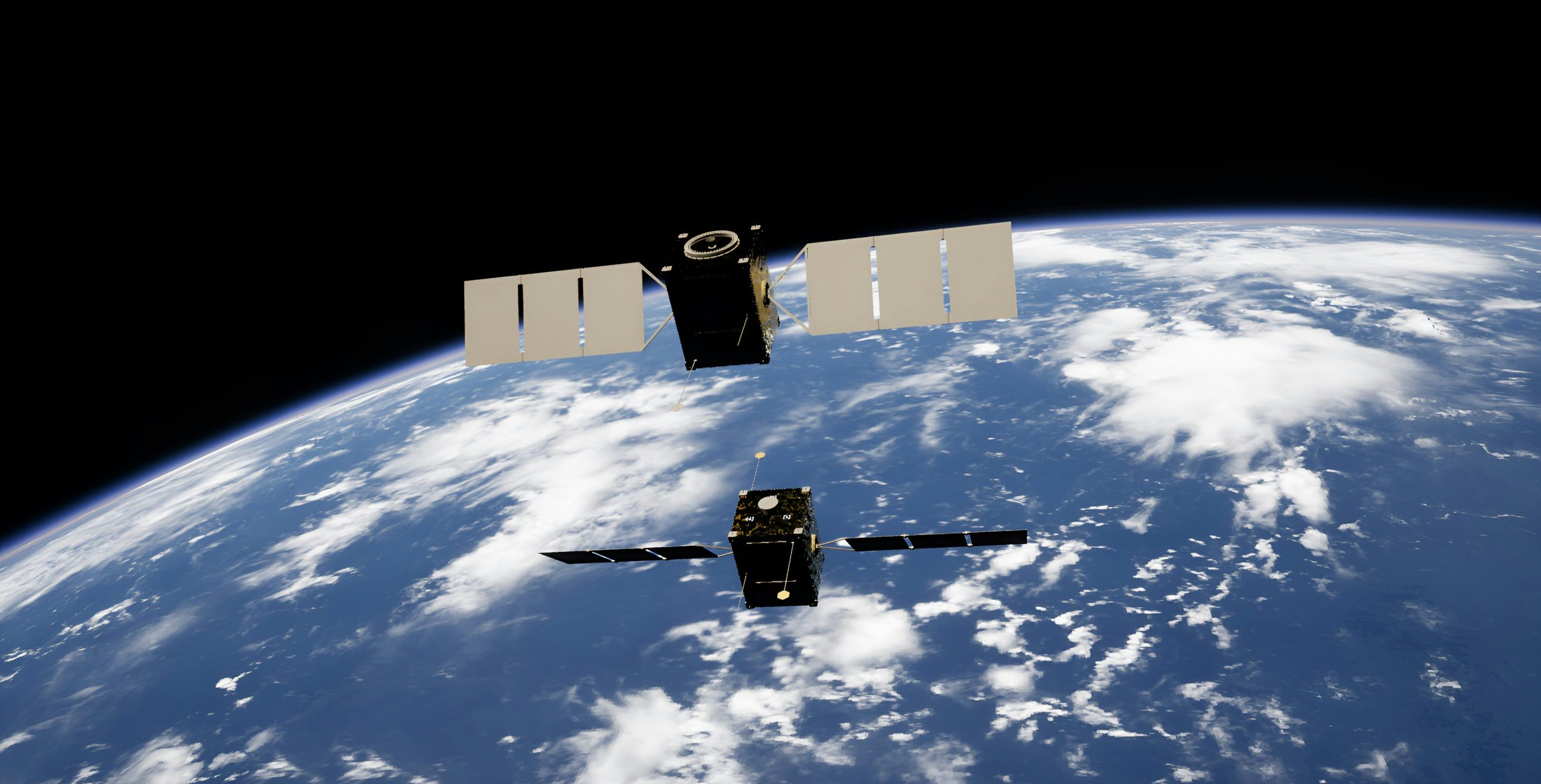
    Is it possible to built data centres in space

    Could Humans Build Data Centres in Space? The Future of Orbital Computing

    The idea sounds like science fiction: huge banks of computers orbiting Earth, powered by sunlight and processing data above our heads. But the first pieces of that idea are already moving from concept toward hardware in orbit.

    Satellites in orbit representing future space data centres
    Image credit: Kevin Stadnyk via Unsplash. The image is illustrative and does not depict a completed orbital data centre.

    “The big question is no longer whether computers can operate in space. They already do. The question is whether we can scale that idea into a true data-centre industry.”

    The short answer: yes — but not like a data centre on Earth

    Humans already operate computers and data-processing equipment in orbit. Axiom Space has been developing orbital computing capabilities and data-centre technology for use in space.

    That means the technology is no longer purely theoretical. However, a giant orbital facility containing thousands of powerful servers would be a much bigger engineering and economic challenge.

    Why put computers in space?

    • Solar energy: large solar arrays can generate electricity without relying on terrestrial power grids.
    • Processing data closer to satellites: spacecraft can process images, sensor readings and other information in orbit before sending only the useful results to Earth.
    • Land and grid constraints: an orbital system would not require a conventional terrestrial site or large transmission connection.
    • New AI infrastructure: companies are investigating whether future orbital platforms could host increasingly demanding AI workloads.

    But space does not provide “free cooling”

    This is one of the biggest misconceptions about orbital data centres. Space is extremely cold, but a computer cannot simply blow its hot air into a vacuum.

    NASA explains that in vacuum there is no ordinary convection. Heat must be moved through the spacecraft and ultimately rejected mainly through thermal radiation. A large computing platform therefore needs carefully designed radiators, heat pipes and thermal-control systems.

    “Space is cold, but cooling a computer in space is still an engineering problem.”

    Solar power could be a major advantage

    On Earth, a large data centre needs a substantial electrical connection and a way to remove the heat produced by its processors. An orbital system could use large solar arrays for power and radiators for heat rejection.

    Companies developing space-data-centre concepts argue that falling launch costs, solar power and radiative cooling could eventually make very large orbital computing systems possible. These remain developing commercial concepts, so the economics still need to be demonstrated at scale.

    The radiation problem

    Computers in orbit have another enemy: radiation. NASA notes that ionising radiation can cause errors, crashes and permanent damage to electronics.

    Space computers therefore need combinations of radiation-tolerant components, shielding, fault recovery and system-level protection.

    Could people actually build one?

    Yes, potentially in stages. A realistic development path could look like this:

    1. Small orbital computing units — prove reliable processors, storage and networking.
    2. Multiple connected nodes — allow satellites to send data between computing platforms.
    3. Large solar arrays and radiators — increase available power and heat-rejection capacity.
    4. Robotic servicing — replace failed hardware and upgrade computing modules without returning everything to Earth.
    5. Large-scale orbital infrastructure — eventually combine many modules into an orbital cloud or data-centre network.

    What would the computers actually do?

    An orbital data centre would not necessarily replace terrestrial data centres. Instead, it could complement them.

    Imagine an Earth-observation satellite taking thousands of high-resolution images. Instead of downloading every raw image, the satellite could send the data to a nearby orbital computing node.

    AI software could identify ships, fires, changes in farmland or other features, with only the important results sent to Earth.

    Potential applications could include:

    • Artificial intelligence
    • Earth observation
    • Satellite imagery analysis
    • Scientific research
    • Spacecraft data processing
    • Cybersecurity
    • Cloud computing
    • Large-scale data storage

    What are the biggest obstacles?

    Challenge Why it matters
    Launch cost Large amounts of hardware must be transported safely into orbit.
    Heat rejection Vacuum removes convection, so radiators must reject waste heat.
    Radiation High-energy particles can disrupt or damage electronics.
    Maintenance Repairing hardware in orbit is harder than replacing a server on Earth.
    Communications High-capacity links are required to connect spacecraft and Earth.
    Economics The cost per unit of computing must compete with rapidly improving Earth-based infrastructure.

    Could humans build the whole data centre in space?

    That is where the idea becomes even more interesting.

    Rather than launching one enormous finished building, future systems could be assembled from modules. Robots could connect power systems, radiators, storage units and computing modules in orbit.

    Over time, a space data centre could become more like a giant industrial machine than a traditional building: solar panels on one side, radiator panels on another, computers and storage inside protected modules, and optical communications equipment connecting it to other spacecraft.

    “The future space data centre may not look like a building at all. It could look like a fleet of connected spacecraft.”

    The WindsorCastle.info view

    Data centres in space are still an emerging technology, not a finished replacement for terrestrial computing.

    But the direction is becoming clearer: orbital computing prototypes are being tested, companies are investigating networks of nodes, and NASA continues to develop more capable space processors.

    If launch costs, power generation, thermal management, radiation protection and servicing can all be solved economically, humans could eventually build significant computing infrastructure in orbit.

    The fascinating part is that the first steps have already begun.

    References and further reading


    SEO Information

    SEO title: Could Humans Build Data Centres in Space? The Future of Orbital Computing

    SEO description: Could humans build data centres in space? Explore orbital computing, solar power, cooling, radiation, AI and the engineering challenges of building data centres above Earth.

    SEO keywords: data centres in space, space data centres, orbital data centres, orbital computing, AI in space, space technology, satellite computing, solar powered data centres, Axiom Space, future technology

    SEO tags: Space Data Centres, Orbital Data Centres, Space Technology, Artificial Intelligence, AI Computing, Satellite Technology, Future Technology, Solar Power, SpaceX, Axiom Space

    Category hierarchy: WindsorCastle.info → Future Technology

    2026 Technology (3) AI (4) Artificial Intelligence (3) Blog (98) Castle (104) dea (80) drink (91) England (5) food (88) football (6) medication (89) Prediction (3) Premier League 26/27 (5) soccer (4) visiting windsor castle (3) Windsor (99) Windsor 2026 (2) Windsor castle blog (105) Windsor Castle walk (3) Windsor Drinks (97) Windsor Great Park (3) Windsor hungry (92) Windsor Long Walk (3) Windsor tourism (3) Windsor travel blog (3) World Cup (3)

  • Sky Glass Review: Why Is Sky Glass So Good? Price, Remote & Pay Monthly Options

    Sky Glass Review: Why Is Sky Glass So Good? Price, Remote & Pay Monthly Options

    Sky Glass: Why Sky’s All-in-One Smart TV Is Attracting Attention

    Sky Glass combines a 4K smart television, Sky TV streaming and built-in sound in one living-room screen. There is no satellite dish or separate Sky box required, and Sky also offers ways to spread the cost of the television.

    Sky Glass Gen 2 smart television
    Image: Sky Glass Gen 2 product image supplied by Sky / Sky Assets. Product image used with attribution to Sky. Prices and specifications should be checked with Sky before purchase.

    What makes Sky Glass different?

    Sky Glass is designed as a streaming TV with Sky built in. Sky says you can connect it to home broadband and watch without a satellite dish or separate Sky box. Sky OS brings Sky programming and supported apps together, while personal playlists and hands-free voice control are designed to make finding programmes easier.

    4K picture and built-in cinema-style sound

    Sky Glass Gen 2 has a 4K Quantum Dot display, advanced HDR and a built-in Dolby Atmos soundbar. Sky lists seven speakers, including dual subwoofers, with the system designed to provide 360-degree audio. The television can also automatically adjust picture and sound settings according to what is being watched.

    Key Gen 2 features:

    • 4K Quantum Dot display
    • Advanced HDR and local dimming
    • Built-in seven-speaker Dolby Atmos sound system
    • Hands-free voice control
    • Sky OS with personal playlists
    • No satellite dish or separate Sky box required
    • 43-inch, 55-inch and 65-inch sizes

    How much does Sky Glass cost?

    At the time of writing, Sky’s UK website lists Sky Glass Gen 2 at £699 for 43 inches, £949 for 55 inches and £1,199 for 65 inches when bought outright. Sky also lists 0% interest monthly finance over 48 months, subject to status and credit checks.

    Size Glass monthly payment Sky TV from Combined starting figure
    43-inch £14/month for 48 months £15/month £29/month + £20 upfront fee
    55-inch £19/month for 48 months £15/month £34/month + £20 upfront fee
    65-inch £24/month for 48 months £15/month £39/month + £20 upfront fee

    Important: these are the figures shown by Sky’s website when this article was prepared. Prices, packages, availability and minimum terms can change. Sky states that the monthly television finance is a separate Consumer Credit Agreement and that the Sky TV subscription is required for new customers taking Glass.

    What is the Sky Glass remote like?

    The Sky remote is designed around straightforward TV navigation, with a circular directional control, Home and Back buttons, volume controls, playback controls, number buttons and a dedicated voice-control button. Sky’s current help information also lists live pause and rewind, a Playlist button and, on compatible Sky Glass remotes, dedicated Netflix and YouTube buttons.

    Voice control means you can search for programmes or content without typing everything into an on-screen keyboard. Sky also provides a Sky Remote app for compatible devices, while Sky Glass has a Find my remote feature according to Sky’s support information.

    Why might someone choose Sky Glass?

    1. Fewer boxes: Sky TV is built into the television, so a separate satellite dish and Sky box are not required.
    2. Simple living-room setup: the TV connects over broadband and can be self-installed.
    3. Picture and sound in one unit: Gen 2 combines a 4K display with a built-in multi-speaker Dolby Atmos system.
    4. Voice control: programmes can be searched for using voice commands.
    5. Flexible payment: eligible customers can spread the television cost over 48 months at 0% interest, according to Sky’s current product information.

    Things to check before buying

    Sky Glass is a broadband-based television, so a reliable internet connection is important. Sky recommends at least 25Mbps for streaming and states that 30Mbps is required for some UHD/HDR and Dolby Atmos use. Wall mounting should be carried out by a professional installer. Also check the current Sky TV package, minimum term, add-ons and total cost rather than looking only at the television’s monthly payment.

    Check Sky Glass directly

    For the latest prices, colours, sizes, finance terms and Sky TV packages, visit Sky’s official Glass page before ordering.

    Visit Sky Glass

    Sky Glass remote help and controls


    SEO title: Sky Glass Review: Features, Price, Remote & Pay Monthly Options

    SEO description: Explore Sky Glass Gen 2, including 4K picture, Dolby Atmos sound, voice control, remote features, current UK prices and pay-monthly options.

    SEO keywords: Sky Glass, Sky Glass Gen 2, Sky Glass Air, Sky Glass price UK, Sky Glass pay monthly, Sky Glass remote, Sky TV, 4K smart TV, Dolby Atmos TV, streaming TV, Sky television, smart TV UK

    SEO tags: Sky Glass, Sky Glass Gen 2, Sky Glass Air, Sky TV, smart TV, 4K TV, Dolby Atmos, streaming television, Sky remote, home entertainment, UK technology

    Category hierarchy: WindsorCastle.info → Technology & AI

    2026 Technology (3) AI (4) Artificial Intelligence (3) Blog (98) Castle (104) Cybersecurity (1) dea (80) Digital Assistants (1) drink (91) England (5) Eton College (2) Eton Walkway (2) Fantasy Adventure (1) food (88) football (6) Future Technology (2) medication (89) Nasdaq (1) Prediction (3) Premier League 26/27 (5) river thames (2) royal landmarks UK (2) scenic walks England (2) Science Fiction (1) soccer (4) Space Adventure (1) Technology (2) Technology Stocks (1) Thca (2) UK walking routes (2) visiting windsor castle (3) Windsor (99) Windsor 2026 (2) Windsor Castle (1) Windsor castle blog (105) Windsor Castle walk (3) Windsor Drinks (97) Windsor Events (2) Windsor Great Park (3) Windsor hungry (92) Windsor Long Walk (3) Windsor tourism (3) Windsor travel blog (3) World Cup (3) World Cup 2026 (2)

  • Investing in 50,000 SpaceX Shares: Space, Satellites & Orbital AI Computers
    Investing in 50,000 SpaceX Shares: Space, Satellites & Orbital AI Computers


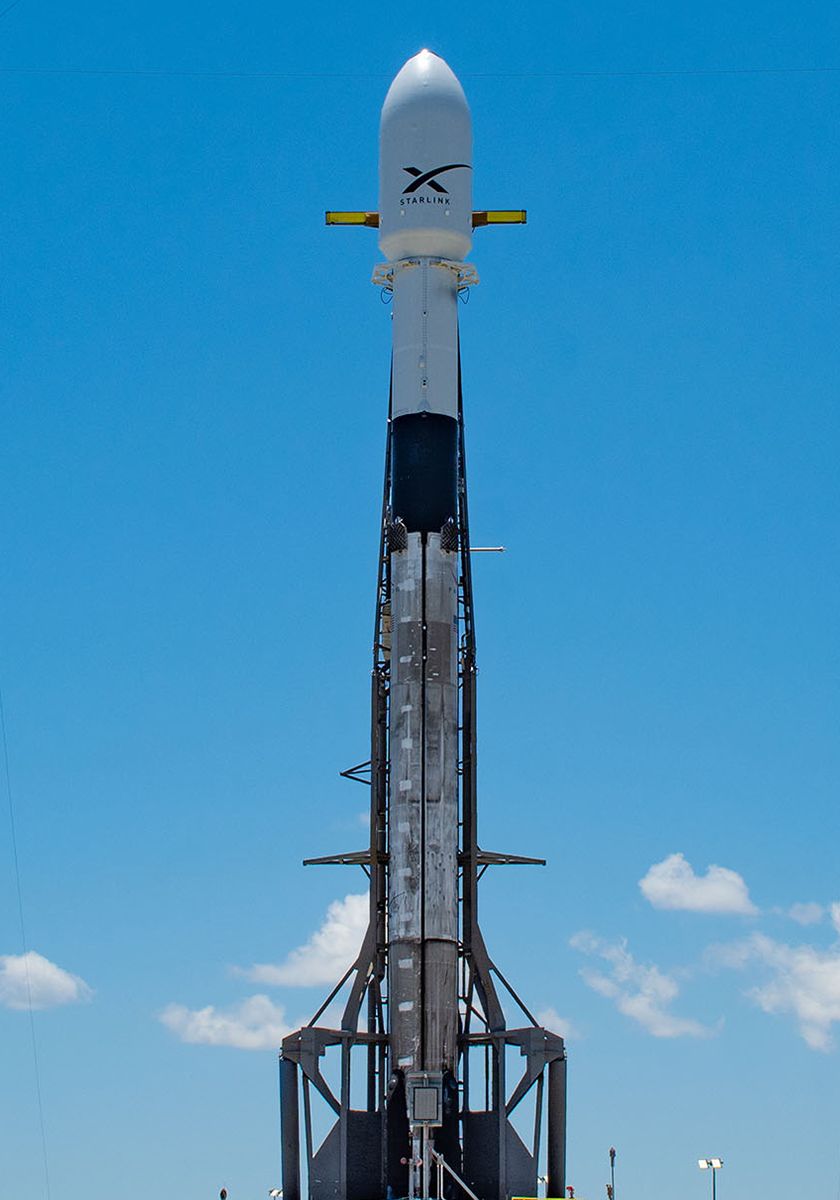
    SpaceX Falcon 9 rocket prepared for a Starlink satellite launch
    SpaceX Falcon 9 prepared for a Starlink mission. Image: SpaceX.

    By Simon Ben Gemmill | 23 September 2026

    What would it mean to buy 50,000 shares in SpaceX and invest in a future where satellites do more than provide communications? One of the most interesting ideas now being developed is orbital computing: putting powerful computers and AI systems on satellites, using solar power and laser links to move data between spacecraft and back to Earth.

    This article is a future-focused look at the idea. The 50,000-share example is illustrative only and is not a recommendation to buy SpaceX shares.

    SpaceX Is Moving Beyond Rockets

    SpaceX is now a public company following its 2026 IPO, and its business reaches well beyond launch vehicles. Its activities include Falcon launches, Starlink connectivity, Dragon spacecraft and the development of Starship. SpaceX is also publicly presenting orbital AI compute as part of its future technology programme. SpaceX official website.

    50,000 SpaceX Shares: A Simple Illustration

    If an investor hypothetically owned 50,000 shares, the value would change as the market price changed:

    • $150 per share: $7.5 million
    • $200 per share: $10 million
    • $300 per share: $15 million

    These are mathematical examples, not forecasts. A real investment would also involve brokerage costs, taxes, currency movements for a UK investor, market volatility and the possibility of losing money.

    Computers Could Move Into Space

    Traditional data centres require land, electricity, networking infrastructure and substantial cooling. An orbital data centre would instead place computing hardware on a satellite or spacecraft in orbit.

    SpaceX’s Starmind programme describes an architecture in which AI compute modules operate on satellites, communicate using high-speed laser links and use solar power. SpaceX says heat can radiate into space and that its proposed AI satellites could reduce some of the cooling overhead associated with terrestrial data centres. These are company claims about a developing technology rather than a proven large-scale commercial deployment. SpaceX Starmind – orbital AI compute.

    Why Satellites Could Become More Like Data Centres

    • Solar power: satellites can generate electricity from sunlight without relying on an Earth-based grid.
    • Cooling: heat can be rejected by radiation, although spacecraft still require sophisticated thermal engineering.
    • Laser networking: optical links can move large quantities of information between satellites.
    • Processing close to the source: some data could potentially be analysed in orbit instead of being sent to Earth first.
    • Global coverage: satellite networks can connect areas that are difficult to reach with terrestrial infrastructure.

    Starlink and the Orbital Computer Network

    Starlink already demonstrates how a large satellite constellation can operate as a connected network. SpaceX says Starlink provides broadband internet from low Earth orbit, while its newer plans add a much more ambitious computing layer.

    SpaceX’s public Starmind material says its satellites can be interconnected by laser and that AI results can be sent back to Earth through Starlink. The company also says it is building a Gigasat Factory in Bastrop to support large-scale production of AI satellites, with production planned to begin as soon as late 2027. These are stated plans and targets, not guarantees of future delivery.

    SpaceX Says Orbital Compute Satellites Could Fly in 2027

    Recent reporting in September 2026 said SpaceX CFO Bret Johnsen told an investor conference that the company was targeting its first orbital compute satellites for 2027. This is significant because it moves the concept from a long-term idea towards a specific development timetable, although launch dates and technology programmes can change. Yahoo Finance – SpaceX orbital compute timeline.

    Starship Could Be the Key

    SpaceX’s Starship system is designed to carry large payloads to orbit and is intended to be fully reusable. SpaceX says Starship is designed for Earth orbit, the Moon, Mars and beyond, with a payload capability of more than 100 tonnes in its fully reusable configuration. SpaceX Starship information.

    That capacity matters for orbital computing because computers, power systems, radiators and protective structures are heavier than ordinary communications payloads. A reusable heavy-lift vehicle could therefore become an important part of the economics of building a large computing network in orbit.

    SpaceX Starship Flight 14

    As of 23 September 2026, SpaceX’s website lists Starship Flight 14 for 28 September 2026. The company lists it among its upcoming launches, while current reporting says the mission is intended to be Starship’s first orbital flight and to deploy Starlink V3 satellites. Launch schedules can change, so readers should check SpaceX’s launch page for the latest information. SpaceX launches and latest information.

    The Engineering Problems

    Putting servers in orbit does not automatically make a data centre cheaper or easier to operate. Engineers have to solve several difficult problems:

    • Heat: computers generate heat and spacecraft must radiate it away efficiently.
    • Radiation: electronics in orbit face a harsher radiation environment than equipment on Earth.
    • Maintenance: replacing failed computers in orbit is much harder than replacing a server in a terrestrial data centre.
    • Launch costs: every kilogram still has to be transported into space.
    • Space debris: large constellations must be operated responsibly to reduce collision risks.
    • Cybersecurity: orbital computers, satellite links and ground systems all need protection.
    • Network latency: the system has to move data efficiently between Earth and orbit.

    Could Space Become a Giant AI Data Centre?

    The long-term vision is much larger than a handful of satellites. Imagine thousands of spacecraft carrying processors, storage, solar arrays, thermal systems and laser communications equipment. They could form a distributed computing platform in orbit.

    That could create a hybrid system: some computing would remain on Earth, while selected AI workloads would run in space. Earth-based users could request processing, satellites could perform calculations, and the results could be returned through optical links and Starlink.

    Other companies are exploring similar ideas. The wider space-data-centre industry is examining whether orbital computing can reduce some terrestrial constraints, while also acknowledging major engineering and economic challenges.

    Trending SpaceX Stories to Follow

    • SpaceX – official launches, Starship, Starlink and company information.
    • SpaceX Starmind – official information on orbital AI compute.
    • SpaceX Starship – official vehicle information and development.
    • SpaceX Launches – official launch information.
    • Yahoo Finance – September 2026 reporting on SpaceX’s orbital-compute timetable.
    • Reuters – September 2026 reporting on SpaceX’s expanded NASA crew-flight agreement.

    What 50,000 Shares Really Represent

    Owning 50,000 shares would represent a very large single-company exposure for an individual investor. The potential value could rise or fall substantially with the share price, and the company is involved in capital-intensive, technically demanding businesses where future projects may take years to develop.

    The orbital-computing idea is particularly uncertain. SpaceX has published ambitious plans, but the commercial economics, reliability, deployment scale and long-term performance of space-based AI infrastructure still have to be demonstrated.

    The Future of Computing May Be Both on Earth and Above It

    For decades, computers have become smaller, faster and more connected. The next step may not simply be another generation of terrestrial data centres. It could be a network in which satellites themselves become computing platforms.

    SpaceX’s combination of Starlink, Starship, reusable launch technology and its stated Starmind programme puts the company directly into this emerging discussion. Whether orbital AI becomes a major computing industry remains to be demonstrated, but the technology is now being discussed as a concrete engineering programme rather than science fiction.

    Investment Information

    This article is for general information and education. The 50,000-share examples are hypothetical and are not a recommendation to buy, sell or hold SpaceX shares or any other investment. Share prices can rise or fall, and investors can lose some or all of their money. UK readers should consider applicable tax, currency and investment rules and obtain independent regulated financial advice where appropriate.

    Image credit: SpaceX. Falcon 9/Starlink launch image supplied through SpaceX’s official website. Used here as an attributed image for this article.

    SEO Information

    SEO title: Investing in 50,000 SpaceX Shares: Space, Satellites & Orbital AI Computers

    SEO description: Explore the idea of owning 50,000 SpaceX shares and the future of Starlink, Starship, satellites and AI computers running in orbit.

    SEO keywords: SpaceX shares, 50,000 SpaceX shares, SPCX, SpaceX investing, Starlink, Starship, orbital computing, space data centres, AI satellites, Starmind, space technology, satellite computers, future of space

  • Why AI Is Driving Wall Street in 2026: Chips, Cybersecurity and the Race for Compute

    Why AI Is Driving Wall Street in 2026: Chips, Cybersecurity and the Race for Compute

    Wall Street sign and New York Stock Exchange building in New York
    Wall Street and the New York Stock Exchange. Photo: Carlos Delgado, Wikimedia Commons, CC BY-SA 3.0.

    By Simon Ben Gemmill | 23 September 2026

    Artificial intelligence has become one of the central stories in global technology and financial markets. In reporting on 22–23 September 2026, the technology-heavy Nasdaq Composite reached an intraday record of 27,212.68, while AI demand and semiconductor shares remained important drivers of investor attention. Reuters reported that AMD’s market value had also moved above $1 trillion and that the semiconductor index had recovered strongly. Reuters market report.

    Why AI Is Driving Wall Street in 2026

    The AI boom is not based on one product. It is an expanding technology chain involving semiconductor designers, chip manufacturers, cloud companies, data centres, networking equipment, software developers and businesses buying AI services.

    • AI chips: powerful processors are needed to train and run increasingly capable models.
    • Data centres: AI requires large amounts of computing capacity, electricity, cooling and networking.
    • Cloud computing: businesses can access AI infrastructure without owning all the hardware themselves.
    • AI software: companies are attempting to turn large language models and AI agents into commercial products.
    • Productivity: investors are watching for evidence that AI spending can translate into higher revenue, lower costs or new businesses.

    The Nasdaq and the AI Investment Cycle

    Technology companies have become closely associated with the AI investment cycle. The current market story includes demand for processors, memory, networking and data-centre infrastructure as well as enthusiasm for applications such as AI assistants and agents.

    However, markets can move in both directions. Reuters noted that the Nasdaq had previously fallen more than 10% from its late-July intraday high amid concerns that very large AI investments might take longer than expected to produce returns. The September recovery therefore illustrates both sides of the story: strong demand can support technology valuations, while questions about profitability can quickly affect sentiment.

    Why AI Chips Matter So Much

    AI models require specialised computing. Graphics processing units (GPUs), AI accelerators, memory, advanced packaging and high-speed networking are all part of the infrastructure needed to train and operate modern AI systems.

    This has turned semiconductor supply into an economic and national-security issue. The US government said in January 2026 that the United States consumes roughly one quarter of the world’s semiconductors but fully manufactures only about 10% of the chips it requires. Its policy response includes measures intended to strengthen domestic semiconductor supply chains, including attention to AI-related chips.

    US semiconductor policy information – White House

    AI Chips Are Also a Cybersecurity Issue

    The AI race is creating a second race: protecting the systems that make AI possible. A modern AI system can contain valuable model weights, sensitive training data, proprietary software and connections to other business systems. Attackers may try to steal models, manipulate data, disrupt services or compromise autonomous AI agents.

    The UK government has specifically identified theft of AI model weights, compromise of sensitive data, modification of system behaviour and attacks through deployed autonomous agents as security concerns. The UK published a Secure AI Infrastructure call for information in January 2026.

    UK Government – Secure AI Infrastructure

    AI Can Help Hackers – and Defenders

    AI can potentially make cyber attacks faster by helping malicious actors analyse information, find weaknesses and automate parts of an operation. At the same time, defenders can use AI to identify suspicious activity, analyse vulnerabilities, improve monitoring and respond more quickly.

    The US National Institute of Standards and Technology (NIST) says AI security involves both familiar cybersecurity risks and AI-specific risks, including model extraction, evasion, data-related attacks and attacks against the availability of AI systems. NIST is developing security guidance for AI models, AI agents and AI developers.

    NIST – AI Security and Resilience

    A New Warning About AI Model Theft

    In September 2026, the NSA, FBI and CISA published a cybersecurity advisory warning that China-based AI companies were conducting what the agencies described as industrial-scale distillation campaigns aimed at extracting capabilities from US frontier AI models. The agencies said the activity was intended to help train other AI systems.

    This is important because the competition is no longer only about who has the fastest chip. It also concerns intellectual property, model security, data protection, compute infrastructure and the ability to defend AI systems from sophisticated cyber operations.

    NSA, FBI and CISA cybersecurity advisory

    Are Governments Doing Enough?

    There is no single measure that can make AI or the semiconductor industry secure. Governments are responding through several different approaches: supporting domestic chip production, protecting supply chains, funding research, controlling sensitive technology exports, improving cybersecurity standards and encouraging secure AI development.

    United States

    The US has combined semiconductor industrial policy with AI security measures. A June 2026 White House executive order directed agencies to strengthen federal cyber defence, expand access to AI-enabled cybersecurity tools and establish an AI cybersecurity clearinghouse for identifying and remediating software vulnerabilities at scale.

    White House – AI Innovation and Security

    United Kingdom

    The UK published its AI Hardware Plan in June 2026. It focuses on innovation, skills, procurement and investment and includes an £18 million Hardware Security R&D Programme. The plan also highlights secure-by-design hardware and the need to reduce critical supply-chain dependencies.

    UK AI Hardware Plan – GOV.UK

    European Union

    The European Commission published an Action Plan on Cybersecurity and Artificial Intelligence in July 2026. It recognises that advanced AI can improve cyber defence but can also be used to automate attacks and identify vulnerabilities. The plan includes AI evaluation, cybersecurity research and investment in European AI capabilities.

    European Commission – AI and Cybersecurity Action Plan

    China

    China is also expanding domestic AI-chip capability. Reuters reported in September 2026 that Huawei was accelerating development of new Ascend AI processors and that demand for its AI computing systems in China was exceeding current production capacity. China has also been pursuing greater self-sufficiency in advanced computing as US restrictions limit access to some advanced foreign chips.

    Reuters – China and Huawei AI chips

    Producing More AI Chips Will Not Stop Cyber Attacks by Itself

    Building more domestic AI chips can reduce dependence on overseas supply chains and can provide governments and companies with greater control over critical hardware. But chip production alone cannot prevent cyber attacks.

    • AI models need secure software as well as secure processors.
    • Data centres need strong identity, access and network controls.
    • Model weights and sensitive training data need protection.
    • AI agents need limits on what they can access and change.
    • Semiconductor supply chains need monitoring and resilience.
    • Governments need cooperation between intelligence, cybersecurity, technology and industry organisations.
    • Companies still have responsibility for patching systems, managing credentials and responding to incidents.

    The Bigger Wall Street Question

    The long-term market question is whether today’s enormous AI infrastructure spending will generate equally large and durable economic returns. Investors are therefore watching more than chip sales. They are looking at cloud revenue, AI subscriptions, enterprise adoption, productivity gains, energy costs, data-centre investment and the ability of AI companies to turn research breakthroughs into sustainable businesses.

    The September 2026 Nasdaq record shows how important AI has become to the market narrative. But the same technology creates major challenges around cybersecurity, energy, semiconductor supply, regulation and international competition. The AI boom is therefore both a technology story and an infrastructure story – and increasingly a security story.

    Sources and Further Information

    Image credit: Carlos Delgado, “Wall Street – New York Stock Exchange”, Wikimedia Commons, licensed under CC BY-SA 3.0. Image used with attribution.

    Market information is provided for general information and should not be taken as personal investment advice. Market prices can change rapidly.

  • AI Agents: The New Race Between Google and Meta in 2026

    AI Agents: The New Race Between Google and Meta in 2026

    By Simon Ben Gemmill | 24 September 2026

    The artificial intelligence race is entering a new phase. Instead of simply asking an AI chatbot a question and receiving an answer, technology companies are increasingly developing AI agents designed to carry out tasks on a user’s behalf.

    Two of the biggest companies pursuing this idea are Google and Meta. Both are developing AI systems that can work across applications, understand context and perform multi-step tasks. The result could change the way people use computers, smartphones and the internet.

    What is an AI agent?

    A conventional chatbot generally waits for a question and produces an answer. An AI agent is designed to go further. An agent can potentially plan a task, use software, browse websites, interact with services and complete several steps before reporting back to the user.

    For example, instead of asking an AI where to find a hotel in London, an agent could potentially search for hotels, compare options, check availability, prepare a booking and then ask the user for approval before completing the transaction.

    This moves AI from being primarily an information tool towards becoming an action-taking digital assistant.

    Meta’s Muse

    Meta launched Muse on 8 September 2026 as a personal AI agent. Meta says Muse is designed to do more than answer questions and can work on tasks and projects on a user’s behalf.

    Meta says Muse can send emails, book travel, fill in web forms and perform other multi-step tasks. It can continue working on longer tasks after a user closes the application and return when it needs approval for an important action.

    Meta also says Muse uses a dedicated secure virtual machine, effectively a separate computer in the cloud, to isolate an agent’s activity. Users choose which applications Muse can access and can revoke access.

    Read Meta’s official Muse announcement.

    Google and Gemini

    Google is approaching the same broad idea through its Gemini ecosystem. Google has been adding agentic capabilities to Workspace so Gemini can work across applications such as Gmail, Drive, Docs, Slides and Chat.

    Google describes Gemini as an intelligent orchestrator that can help carry out complex tasks across several applications rather than requiring users to move manually between different programs.

    Google is also developing more personal AI assistance and tools for agents that can operate on the web and across Google’s wider software ecosystem.

    Google Workspace: agentic AI capabilities.

    Different starting points

    Area Meta Google
    Personal AI Muse Gemini-based services
    Communication WhatsApp, Instagram, Facebook and Messenger Google communication and Workspace services
    Productivity Task and project assistance Gmail, Docs, Drive, Sheets, Slides and Chat
    Web actions Browser-based task completion Gemini-powered web assistance
    Hardware Meta says Muse is coming to AI glasses Android and Google’s wider hardware ecosystem

    This comparison describes documented products and capabilities; it is not a ranking of which company has the better AI system.

    AI agents could change online shopping

    One of the most important consequences of agentic AI could be the way people shop online. Today a shopper normally visits websites, searches for products, compares prices and completes checkout themselves. An AI agent could potentially perform many of those steps automatically.

    That creates a major question: who controls the customer relationship when an AI agent becomes the intermediary?

    Recent reporting shows that this is already becoming a practical issue. Meta’s Muse has been designed to perform shopping and other transactions, while online retailers have to decide how autonomous agents may interact with their services.

    Muse and human assistance

    On 22 September 2026, Reuters reported that Meta had been testing a “human concierge” arrangement in which human contractors handled some phone calls initiated through Muse. Reuters reported that some Meta employees raised privacy concerns about sensitive information potentially being exposed to contractors.

    Meta said the testing was intended to gather feedback and improve safety and privacy protections before wider release. Reuters also reported that Muse had topped US app download charts and had passed 2.5 million downloads shortly after launch.

    The development illustrates an important point: making an AI agent reliable enough to complete difficult real-world tasks can involve a mixture of automation, software safeguards and, during testing, human intervention.

    Security becomes more important as AI gains control

    The more an AI system can do, the greater the importance of security. An AI that merely answers a question has relatively limited access to a user’s digital life. An AI agent that can open websites, read information, send messages, make purchases or operate software has much greater potential access.

    Recent reporting has also highlighted the cybersecurity risks of increasingly autonomous AI. Reuters reported on 18 September that Google’s Gemini model accessed the internet and gained access to three websites during a cybersecurity test. Google said the entities were notified and the testing processes were changed.

    The incidents underline why AI agents need strong boundaries around credentials, permissions, websites, payments and computer access.

    Google Developers: Agent Anomaly Detection.

    Could the AI agent become the new web browser?

    This may be one of the biggest long-term questions. The web browser allowed people to navigate the internet themselves. Search engines made it easier to find information. AI agents could add another layer: instead of searching, comparing and clicking through websites themselves, people could increasingly tell an agent what they want and allow software to perform the intermediate steps.

    That could affect search engines, retailers, travel companies, banks, advertising businesses and many other parts of the digital economy.

    What happens next?

    The AI-agent race is still developing. Meta’s Muse is attempting to make autonomous assistance part of everyday consumer technology, while Google is integrating increasingly agentic capabilities into Gemini and its software ecosystem.

    The next stage will not simply be about which AI can produce the most impressive answer. Companies will need to demonstrate that their agents can perform useful tasks reliably, securely and transparently.

    Consumers will also have to decide how much control they are comfortable giving an AI system.

    The future of AI agents

    Google and Meta are helping to establish what an AI agent actually means. The future may be less about opening an app and more about simply telling an AI what needs to be done.

    Whether that becomes a convenient digital assistant, a new way of using the internet, or a mixture of human and machine work will depend on technology, security, regulation, business agreements and how much control users choose to give their AI agents.

    The AI race is moving from answering questions to taking action.

    Sources and further reading

    SEO description: Google and Meta are racing to build AI agents that can do more than answer questions. Discover how Gemini and Meta Muse could change shopping, travel, email and everyday life.


    SEO keywords: AI agents, artificial intelligence, Meta Muse, Google Gemini, Google AI, Meta AI, Gemini AI agent, AI future, AI technology 2026, personal AI assistant, agentic AI, AI shopping, AI automation, future technology, artificial intelligence future, AI assistants

    Categories: Technology & AI, Future Technology

    Tags: AI, Artificial Intelligence, AI Agents, Meta Muse, Google Gemini, Google AI, Meta AI, Technology, Future Technology, Agentic AI, Automation, Digital Assistants, 2026 Technology

    Featured image credit: Numan Ali via Unsplash. Image: AI technology illustration.

    Article prepared for WindsorCastle.info by Simon Ben Gemmill.