Discover the real-life locations behind British cinema, Hammer Horror, Harry Potter, James Bond and some of television’s best-loved productions.
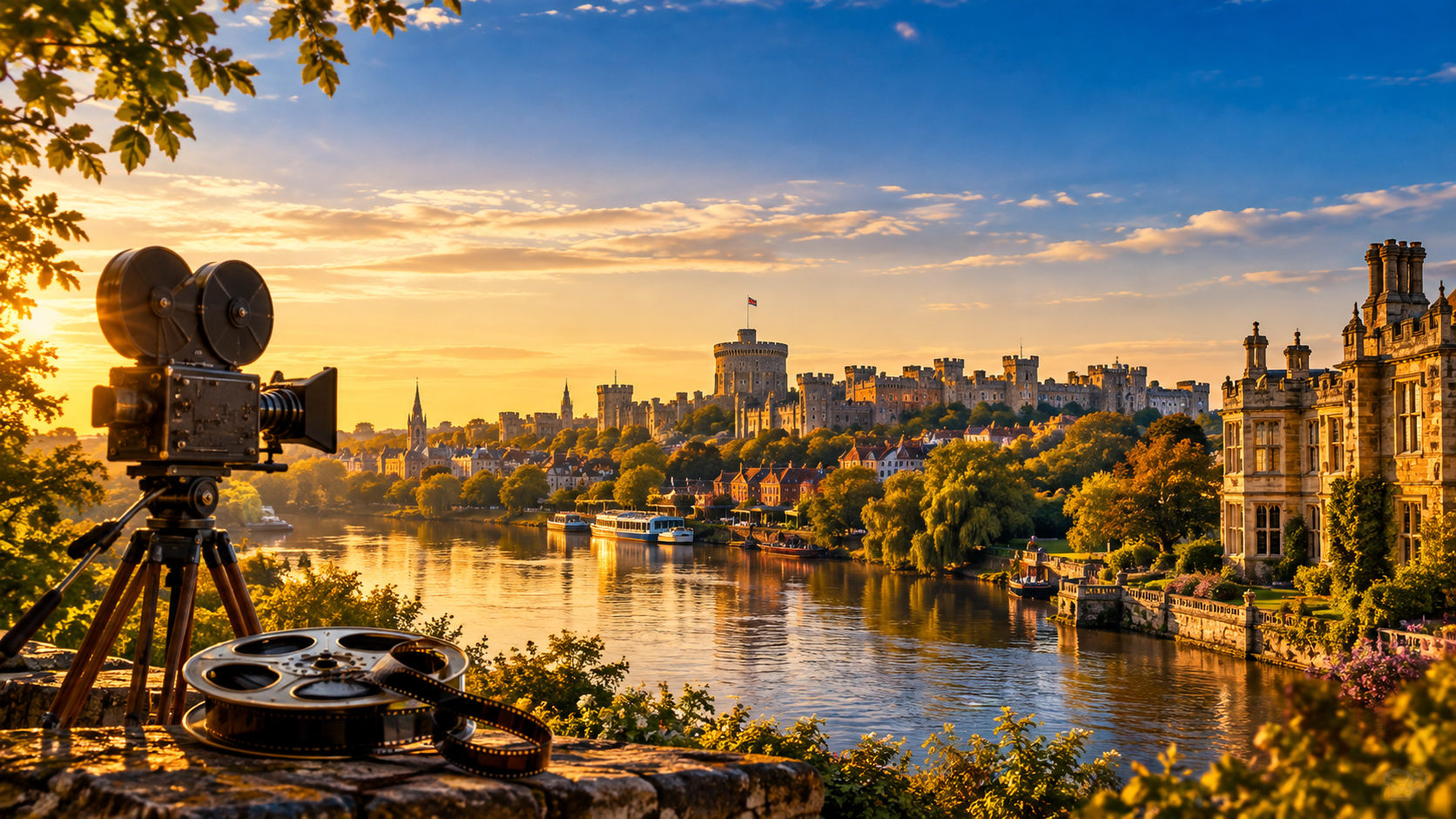
Windsor is famous around the world for its historic castle, royal traditions and beautiful countryside. Yet the surrounding area has another fascinating story to tell: it has provided the backdrop for films, television dramas, comedies and fantasy adventures enjoyed by audiences across the globe.
From the atmospheric buildings of Bray to the sweeping landscapes of Windsor Great Park, the Royal Borough of Windsor and Maidenhead offers film enthusiasts plenty to discover.
Whether you love classic British cinema, supernatural adventures, period dramas or modern blockbusters, you may be surprised by how many familiar productions have connections with this part of Berkshire.
1. Bray Film Studios: A home of British horror
One of the most important names in the area’s film history is Bray Film Studios, situated between Windsor and Maidenhead.
The studios became closely associated with Hammer Film Productions, the British company famous for its gothic horror films. Productions featuring legendary performers Christopher Lee and Peter Cushing helped establish Hammer’s distinctive style, combining atmospheric country houses, dramatic lighting, elaborate make-up and memorable monsters.
Among the celebrated productions associated with Bray are The Curse of Frankenstein (1957), Dracula (1958) and The Mummy (1959).
Bray’s film-making heritage extends beyond horror. The studios were also involved in the production of Alien (1979), the science-fiction classic directed by Ridley Scott, and The Rocky Horror Picture Show (1975) has an important connection to the local film-making story.
For film historians, Bray illustrates how a location can become part of cinema history through the creative work of directors, actors, designers, technicians and special-effects artists.
Explore further: Bray Studios — official history
2. Oakley Court and the gothic look of British cinema
Near Bray stands Oakley Court, a striking Victorian Gothic building overlooking the Thames.
Its distinctive architecture has made it an enduring part of the area’s screen heritage. The building’s dramatic exterior, elaborate stonework and unusual atmosphere made it particularly suitable for productions requiring a mysterious mansion or a grand, slightly unsettling setting.
Oakley Court is famously associated with The Rocky Horror Picture Show (1975), whose extraordinary blend of musical comedy, science fiction and gothic imagery has attracted generations of fans.
The building is also connected with the wider Hammer horror tradition, including The Curse of Frankenstein (1957).
These locations demonstrate why filmmakers are attracted to historic British buildings: they can create a convincing atmosphere without relying entirely on constructed sets or computer-generated imagery.
Before visiting, check the venue’s current access arrangements. A film location may be privately owned or operating as a hotel rather than a public attraction.
3. Windsor Great Park: Countryside on the big screen
Windsor Great Park offers a very different cinematic landscape.
Its avenues, woodland, open countryside and expansive views can represent a variety of places on screen. The official Visit Windsor film-location guide lists numerous productions associated with the park, including Harry Potter, Robin Hood, Bridget Jones’s Baby, Snow White and the Huntsman and No Time to Die.
The park’s versatility helps explain its appeal. One landscape might become an enchanted forest in a fantasy film, a secluded country road in a thriller or a romantic setting in a period drama.
For visitors, the pleasure lies in appreciating the scenery while learning how filmmakers transform real locations into fictional worlds.
Visitor tip: Windsor Great Park is extensive, so plan your route before setting out. Check the relevant access information and remember that a location appearing in a film does not necessarily mean that the exact filming spot is accessible to the public.
Read the official guide: Visit Windsor — Film and TV locations.
4. Harry Potter and the magic of British locations
The Harry Potter films helped introduce a new generation of viewers to Britain’s historic buildings and dramatic landscapes.
The Windsor area has a connection with the wider filming story through locations associated with the films, including Windsor Great Park. The Royal Borough’s official guide lists the Harry Potter films among productions filmed in the area.
It is worth remembering that a film’s fictional Hogwarts School is not one single real building. The filmmakers used a combination of locations, sets, visual effects and other production techniques to create its magical world.
That combination is part of what makes location research so interesting: the finished scene may bring together several different places to create one convincing setting.
For fans, a day exploring the Windsor area can therefore become an opportunity to appreciate both the real landscape and the imagination that transforms it on screen.
5. James Bond: British landscapes and international adventures
The James Bond films are renowned for their spectacular locations, from international cities to elegant country estates and dramatic countryside.
The Royal Borough’s official film-location guide lists A View to a Kill (1985) in connection with Ascot Racecourse and No Time to Die (2021) among productions associated with Windsor Great Park.
These connections highlight the importance of British locations to international cinema. Familiar landscapes can be presented in a completely new way through camera angles, lighting, editing and the movement of actors and vehicles.
For Bond fans, discovering a filming location adds another dimension to watching a favourite film. A landscape that lasts only a few seconds on screen may have a much longer story in real life.
6. Period dramas, historic houses and royal Britain
Historic buildings around Windsor have also helped bring earlier centuries to life.
The official Visit Windsor guide records productions associated with locations such as Cliveden, Dorney Court and Eton College. The titles listed include Elizabeth (1998), The Other Boleyn Girl (2008), The Social Network (2010) and Bridgerton.
Each production presents different challenges. A historical drama might require an authentic-looking exterior, while a modern story might use the same type of building to represent wealth, education or social status.
Filmmakers may also change the appearance of a location through carefully selected props, costumes, lighting and set decoration.
The result is a reminder that architecture is more than a background: it can help communicate the period, atmosphere and social world of a story.
7. How a real location becomes a film set
What happens when a film crew arrives at a historic property or a public landscape?
The process can involve location managers, directors, cinematographers, production designers, lighting teams, sound technicians, costume departments and many other specialists.
Before filming begins, a production generally needs to assess practical matters such as access, transport, electricity, parking, safety and the protection of the site.
The crew then works to capture the required scenes while respecting any conditions attached to filming permission.
Historic locations can be especially demanding because their owners and managers must balance the needs of a production with the preservation of the building and the experience of visitors.
In Windsor, filming on public streets, in the park and at heritage sites may involve different permissions. The Royal Borough provides official guidance for productions seeking to film locally.
Official information: Filming in the Royal Borough of Windsor and Maidenhead.
8. Plan your own film-location day around Windsor
If you want to explore the area’s screen heritage, consider making a day of it.
Start with Windsor and Eton, where historic streets and riverside views provide a wonderful introduction to the area. Continue towards Bray to learn about the history of British horror cinema, and investigate the locations around the Royal Borough that appear in the official film guide.
If you have more time, consider a visit to Windsor Great Park, checking access and travel arrangements beforehand.
Some filming locations are privately owned, and others may be visible only from public viewpoints. Do not enter private property or restricted filming areas without permission.
You can use the official location guide to identify places associated with productions that interest you, then plan a route that suits your available time.
9. Why Windsor’s film heritage matters
Film and television help people see familiar places in new ways. A country house becomes a haunted mansion, a woodland path becomes a fantasy landscape, and an English country estate becomes part of an international adventure.
For Windsor, this screen heritage complements the area’s better-known royal history. It offers another reason to explore the surrounding countryside, discover historic buildings and appreciate the creative industries that bring stories to life.
It also provides opportunities for future articles on WindsorCastle.info, including interviews with local historians, film-location guides, classic cinema features and quizzes about famous productions.
Test your film knowledge
Question 1: Which British production company became famous for gothic horror films associated with Bray?
Question 2: Which science-fiction film directed by Ridley Scott is part of Bray Studios’ history?
Question 3: Name one film associated with Windsor Great Park in the official Visit Windsor guide.
Question 4: Which 1975 musical comedy is famously associated with Oakley Court?
Question 5: Why do filmmakers use real historic buildings and landscapes?
Answers: 1. Hammer Film Productions. 2. Alien. 3. Examples include Harry Potter, No Time to Die or Bridget Jones’s Baby. 4. The Rocky Horror Picture Show. 5. To provide authentic architecture, atmosphere and scenery for their stories.
Discover more with WindsorCastle.info
The next time you watch a British film or television drama, look beyond the actors and the story. You may discover that the setting has a history of its own.
Explore Windsor’s royal heritage, enjoy its historic streets and countryside, and discover the films that have helped bring this remarkable part of England to the screen.
Article prepared for WindsorCastle.info. Film titles and location associations are provided for educational and tourism purposes. All film titles, production names and related trademarks remain the property of their respective owners.
- AI & Technology
- Blog
- close
- Fantasy & Adventure
- Finance & Investing
- Football
- Future Technology
- Horse Racing
- Local Events
- open
- Premier League 26/27
- Robin Hood
- Royal History
- Science Fiction & Space
- ssl
- statoshi$5
- Technology & AI
- Tourism
- Windsor Games
- WindsorCastle.info
- Won
2026 Technology AI Artificial Intelligence Blog Castle Cybersecurity dea Digital Assistants drink England Eton College Eton Walkway Fantasy Adventure food football Future Technology medication Nasdaq Prediction Premier League 26/27 river thames royal landmarks UK scenic walks England Science Fiction soccer Space Adventure Technology Technology Stocks Thca UK walking routes visiting windsor castle Windsor Windsor 2026 Windsor Castle Windsor castle blog Windsor Castle walk Windsor Drinks Windsor Events Windsor Great Park Windsor hungry Windsor Long Walk Windsor tourism Windsor travel blog World Cup World Cup 2026
-
Windsor on Film: Famous Movies and Television Productions Made in the Royal Borough
Windsor is famous around the world for its historic castle, royal traditions and beautiful countryside. Yet the surrounding area has another fascinating story to tell: it has provided the backdrop for films, television dramas, comedies and fantasy adventures enjoyed by audiences across the globe.
-
Robin Hood: The Gold of Sherwood and the Witch of Nottingham
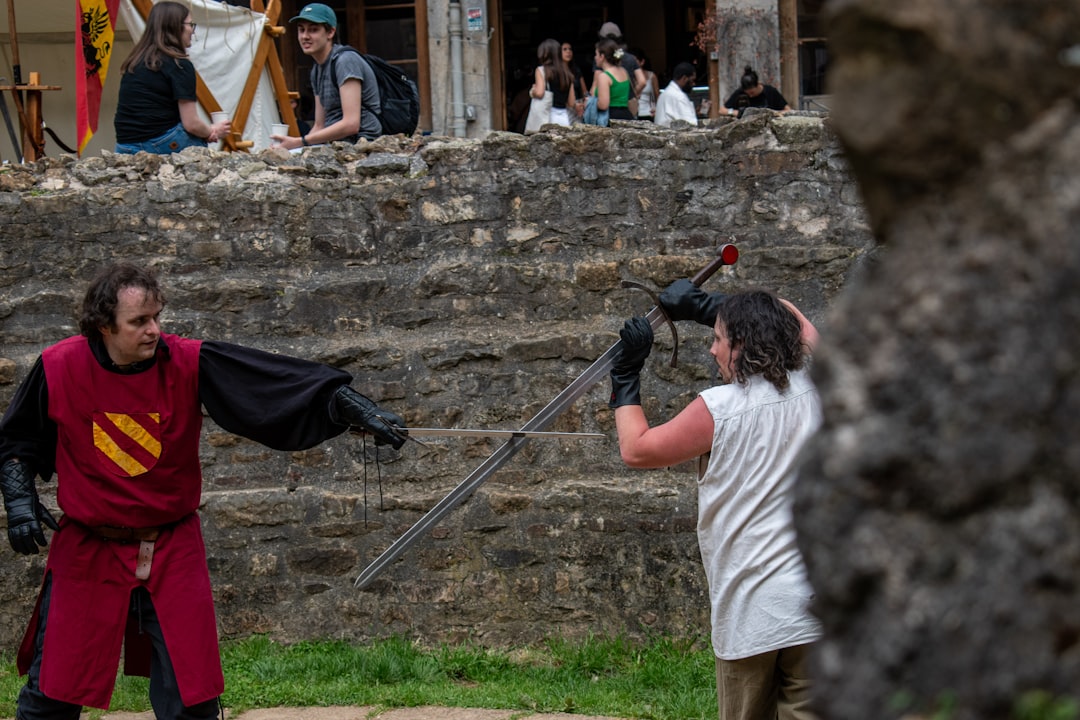
A brand-new fictional Robin Hood adventure: Friar Tuck carries Spanish gold into Sherwood, a traitor hides among the Merry Men, a giant swordsman tests Robin Hood, and Maid Marian falls under a dangerous spell cast by the Sheriff of Nottingham.